
English Lavender
English Lavender
Couldn't load pickup availability
300 Seeds
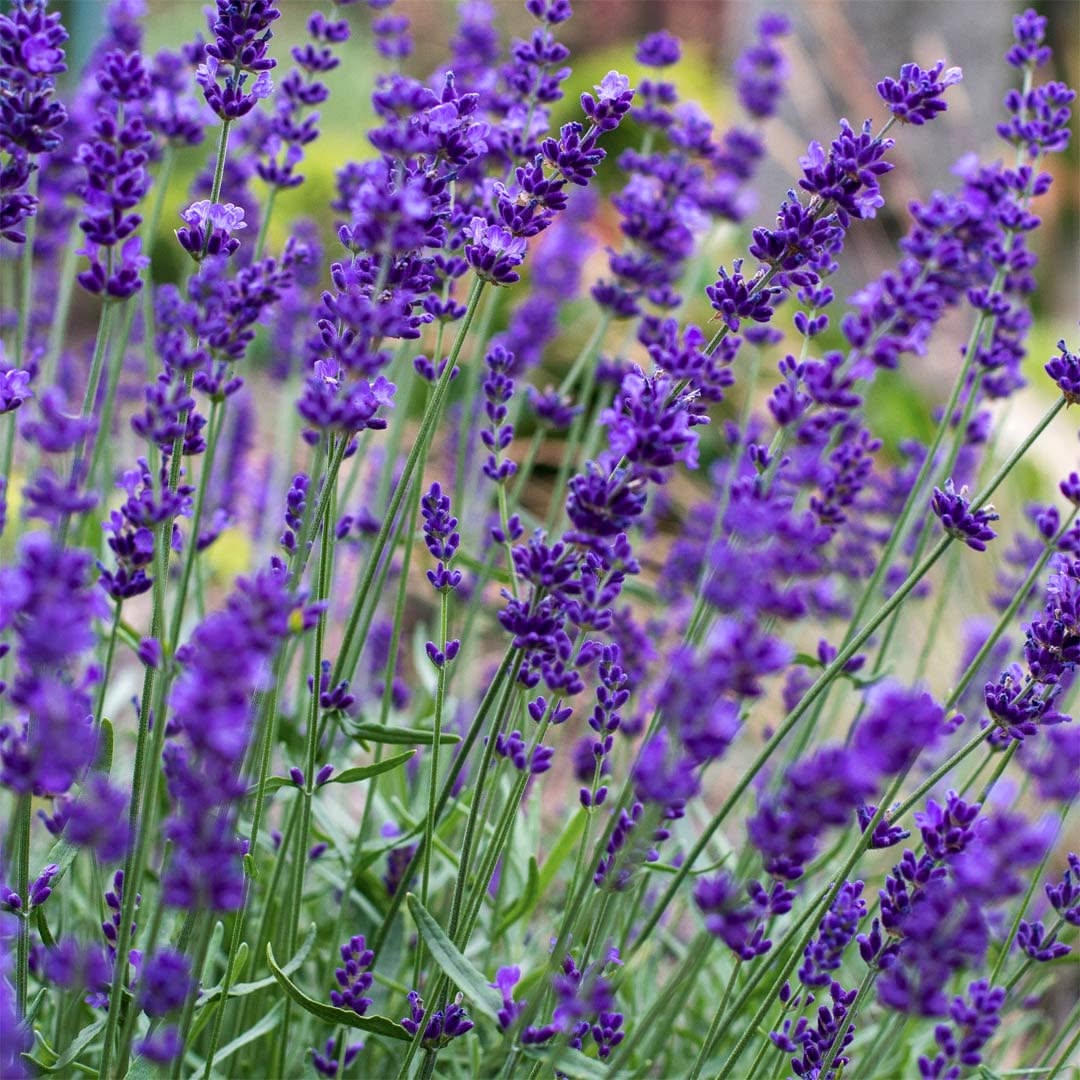
English Lavender is a fragrant perennial shrub with aromatic grey-green foliage and spikes of fragrant flowers. It is valued for its ornamental beauty, fragrance, dried flowers, and use in potpourri, sachets, crafts, and perfumery. It is also attractive to bees and other pollinating insects.
English Lavender is particularly well suited to sunny, dry conditions, but excellent drainage is essential. It does not tolerate constantly wet soil or waterlogging.
🌱 Best Planting Time
- Gulf region: September–April
- Kuwait: October–March
- Best months in Kuwait: October–November and February–March
- In very hot Gulf areas, autumn and late winter are preferable.
- Avoid starting seedlings outdoors during the extreme summer heat.
🌿 How to Plant the Seeds
- Use a fine, sterile, very well-draining seed-starting mix.
- Moisten the growing medium before sowing.
- Sow the seeds approximately 2–3 mm deep or cover them only lightly.
- Keep the seed tray evenly moist, but never waterlogged.
- Place the tray in a bright, cool location.
- Cold stratification can improve germination: place the moist seeds in a cool environment for approximately 4 weeks before sowing.
- After stratification, sow at approximately 13–18°C.
- Be patient because lavender seeds can germinate slowly and irregularly.
🌡️ Germination
- Recommended temperature after cold treatment: approximately 13–18°C
- Germination: may take up to 90 days
- Keep the seed mix lightly and consistently moist.
- Once seedlings emerge, provide bright light and good airflow.
- Avoid excessive warmth and moisture around young seedlings.
🌱 Transplanting & Spacing
Transplant seedlings once they are well established and have several true leaves.
- Plant spacing: approximately 30–60 cm depending on the final size of the variety.
- Harden seedlings gradually before moving them outdoors.
- Choose a sunny position with excellent drainage.
- Avoid planting in areas where irrigation water collects.
☀️ Sunlight
- Full sun is strongly recommended.
- Aim for at least 6 hours of direct sunlight.
- In the Gulf, give young plants morning sun with some light afternoon protection during periods of extreme heat.
- Once established, English Lavender prefers plenty of sun and relatively dry conditions.
💧 Watering
- Water regularly while young plants are becoming established.
- Allow the soil to dry somewhat between waterings once plants are established.
- Avoid frequent shallow watering.
- Never allow the roots to remain in standing water.
- Reduce watering during cooler periods when the soil remains moist longer.
Important: For lavender, overwatering is generally a greater problem than moderate dryness. Poor drainage can lead to root problems and plant decline.
🌱 Soil
English Lavender requires very well-drained soil.
A suitable Gulf growing mix can contain:
- Light sandy or loamy soil
- Mature compost in a modest amount
- Perlite, pumice, or coarse grit for drainage
Avoid heavy clay or soil that remains wet after irrigation.
Lavender generally prefers neutral to alkaline conditions and can tolerate relatively poor, dry soils.
🌿 Fertilizing
- Lavender does not require heavy feeding.
- Add a small amount of mature compost before planting.
- Use a light, balanced fertilizer only when necessary.
- Avoid excessive nitrogen because it can produce soft, leafy growth rather than a compact flowering plant.
- Good drainage and sunlight are more important than heavy fertilization.
🪴 Growing in Containers
English Lavender is well suited to container growing.
- Use a 30–40 cm diameter container or larger for an established plant.
- Choose a pot with several large drainage holes.
- Use a very free-draining potting mix.
- Adding coarse grit, perlite, or pumice can significantly improve drainage.
- Keep containers in a sunny, airy location.
- During extreme Gulf heat, protect young plants from the harshest afternoon sun.
- Never leave the container sitting in a saucer full of water.
🌸 Flowering
English Lavender generally produces fragrant flower spikes during the warmer part of the growing season. Flower colors vary according to the variety and can include shades of purple, blue, pink, and white.
For dried flowers, harvest the flower stems when the buds are well developed and before the flowers have fully opened. Hang them upside down in a dry, shaded, well-ventilated location.
✂️ Pruning
- Remove spent flower stems after flowering.
- Lightly trim the plant to maintain a compact shape.
- Avoid cutting deeply into old, bare woody stems because lavender may not regenerate well from old wood.
🔥 Gulf Climate Tips
- Start seeds during the cooler part of the Gulf growing season.
- Kuwait: October–November and February–March are particularly suitable.
- Keep seed trays in a cool, bright location during germination.
- Protect young seedlings from extreme afternoon heat.
- Excellent drainage is essential in Gulf conditions.
- Raised beds or containers are useful if your garden soil is heavy.
- Avoid excessive irrigation, especially during humid or cooler periods.
- Good airflow around the plant helps reduce problems associated with excess humidity.
- Container-grown lavender can be moved to a more protected position during extreme heat.
🌱 Growing Tip: English Lavender can be grown from seed, but germination is naturally slow. For the best results in the Gulf, give the seeds a period of cold stratification, germinate them in the cooler season, and provide young plants with plenty of light, excellent drainage, and protection from extreme afternoon heat.
Share