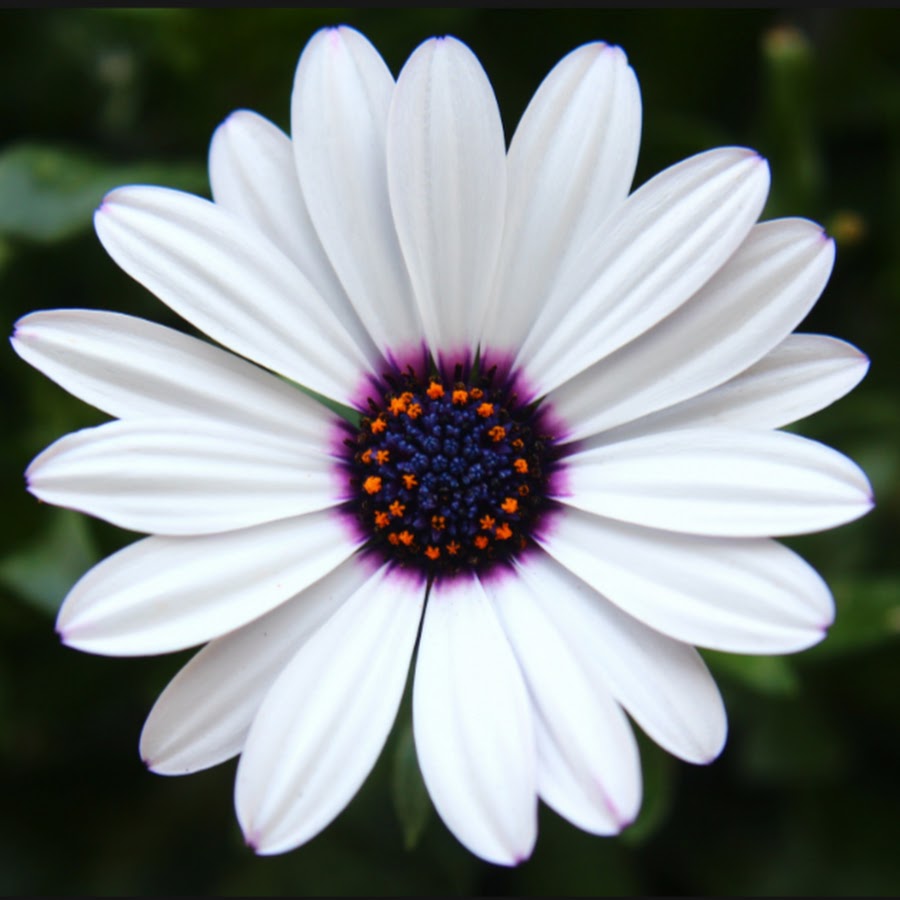

African Daisy white
African Daisy white
Couldn't load pickup availability
30 Seeds
Seeding African Daisy (White) — usually referring to Dimorphotheca sinuata or Osteospermum ecklonis, depending on the variety — gives you crisp, daisy-like blooms in bright white tones that love sunny spots and dry conditions. Here's how to tell them apart and how to grow each:
🌼 Which Type Do You Have?
1. Dimorphotheca sinuata (true African Daisy)
-
Annual
-
Loves hot, dry climates
-
Blooms in spring to early summer
-
More drought-tolerant
2. Osteospermum ecklonis (Cape Daisy)
-
Often grown as an annual, but it's a short-lived perennial in zones 9–11
-
Blooms in cooler weather (spring/fall)
-
More sensitive to heat and frost
If your packet says “African Daisy” and shows papery, daisy-style flowers for spring/summer bedding, it's likely Dimorphotheca.
🌱 Seeding Guide for African Daisy (White)
📅 When to Sow
Indoors (recommended for early blooms):
-
Start 6–8 weeks before last frost
-
E.g., sow indoors late winter/early spring
-
Outdoors (direct sow):
-
Sow after last frost, when soil has warmed (60°F / 16°C+)
-
Dimorphotheca is better for direct sowing than Osteospermum
🌿 How to Sow
Soil:
-
Well-drained, sandy or average soil
-
Do not overfertilize—poor soil is okay
-
Full sun is essential for flowering
Seed Depth:
-
Lightly cover seeds with 1/8 inch (3 mm) of soil
-
Alternatively, press gently into moist soil — needs light to germinate
Spacing:
-
6–10 inches apart for bedding
-
Thin seedlings to give space to mature
🌡️ Germination
-
Temperature: 65–75°F (18–24°C)
-
Time: 7–14 days (can be slow)
🌸 Blooming
-
Starts 8–10 weeks from sowing
-
Best in spring and early summer
-
May stop blooming in high summer heat, but can resume in fall (Osteospermum especially)
💡 Care Tips
-
Deadhead to encourage continued blooms
-
Don’t overwater — they prefer drier conditions
-
Avoid rich soil or too much nitrogen (leads to leggy growth)
-
Tolerates light drought once established
Share