
Alcea Nigra
Alcea Nigra
All Drops Store
Couldn't load pickup availability
1. About the Plant
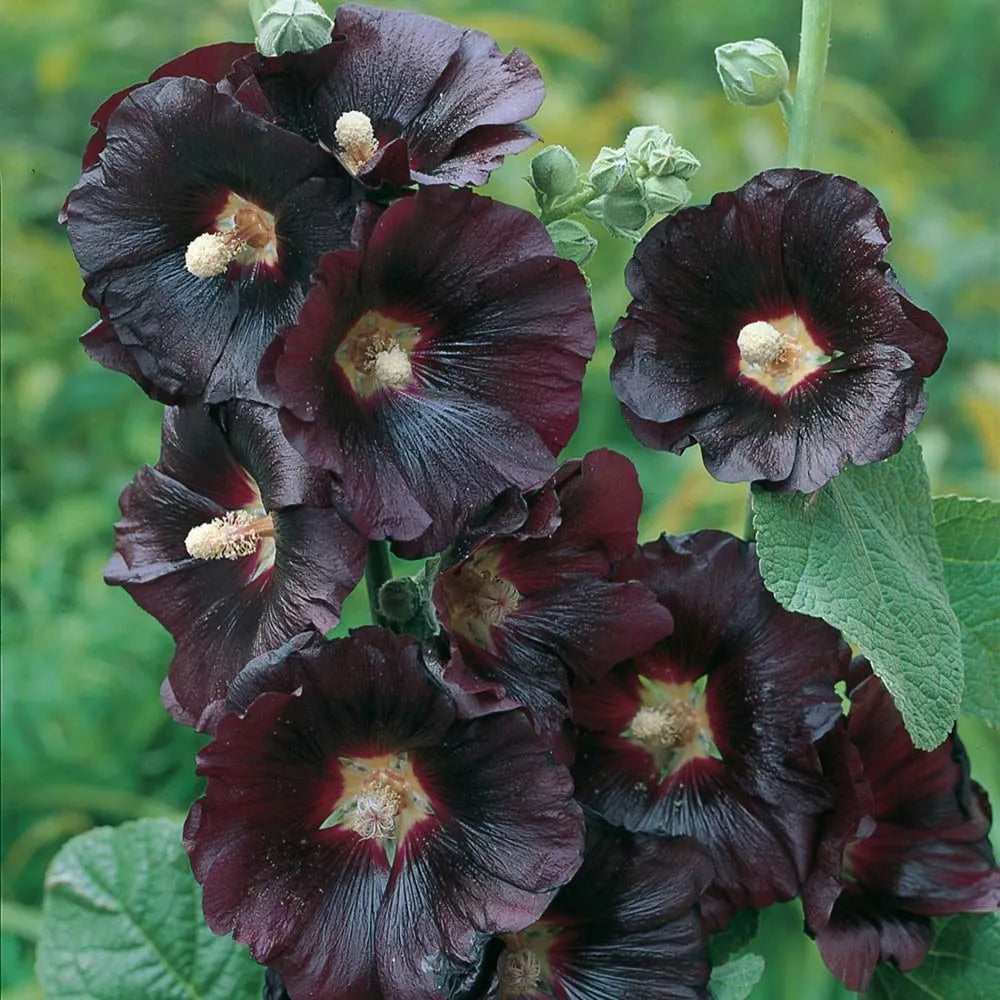
Alcea rosea ‘Nigra’, commonly known as Black Hollyhock, is a tall, striking biennial or short-lived perennial flowering plant. It is especially admired for its unusual, very dark flowers in deep chocolate-maroon, burgundy and almost black shades.
Unlike double-flowered hollyhock varieties, ‘Nigra’ typically produces single, open, funnel-shaped flowers with a contrasting central area. The flowers grow along tall, upright spikes above large, rounded, slightly rough green leaves.
-
Flower Colour: Very dark burgundy, chocolate-maroon to almost black
-
Flower Type: Single, open, funnel-shaped flowers
-
Plant Height: Approximately 150–250 cm
-
Growth Habit: Tall, upright flowering stems
-
Uses: Garden borders, flower beds, cottage gardens, and cut flowers
-
Flowering Season: Usually during the cooler growing season and spring in the Gulf, depending on planting time and local conditions
2. Best Planting Time in the Gulf Area
The best time to plant Alcea Nigra seedlings is during the cooler months, generally from October to December.
-
Kuwait: November to early December is generally suitable.
-
UAE, Saudi Arabia, Qatar, Bahrain, and Oman: October to December, depending on local temperatures.
Planting during mild weather gives the seedlings time to establish strong roots before the arrival of extreme summer heat.
3. Planting Instructions
-
Choose a sunny, well-ventilated location, preferably protected from strong winds.
-
Prepare the soil by mixing quality garden soil with compost and coarse sand or perlite to improve drainage.
-
Dig a hole slightly wider than the seedling's root ball.
-
Carefully remove the seedling from its nursery container, avoiding unnecessary disturbance to the roots.
-
Place the seedling at the same depth it was growing in its original container. Do not bury the crown or lower stem.
-
Fill the hole with the prepared soil and gently firm it around the roots.
-
Water thoroughly after planting.
-
Leave approximately 45–60 cm between plants to allow sufficient room for their mature growth and good air circulation.
4. Sunlight Requirements
Alcea Nigra grows best in full sunlight, ideally receiving around 5–6 hours or more of direct sunlight daily.
In the Gulf climate:
-
Provide morning sunlight whenever possible.
-
Give partial afternoon shade during periods of intense heat.
-
Protect young seedlings from harsh afternoon sun.
-
Avoid deeply shaded locations, as insufficient sunlight can reduce flowering and weaken the stems.
5. Watering
Keep the soil moderately moist while the seedlings establish.
-
Water thoroughly after transplanting.
-
Water when the upper 2–3 cm of soil becomes dry.
-
Increase watering during warm, dry weather as needed.
-
Avoid waterlogging and standing water around the roots.
-
Water near the base of the plant rather than over the leaves to help reduce fungal problems.
Once established, water deeply when needed rather than giving frequent, shallow watering.
6. Soil Requirements
Alcea Nigra prefers fertile, loose, well-draining soil.
A suitable soil mixture can contain:
-
50% quality garden soil
-
25% compost or well-rotted organic matter
-
25% coarse sand, perlite, or another drainage-improving material
Good drainage is particularly important in the Gulf because excessive moisture around the roots can cause root problems.
7. Fertilizing
-
Add compost to the soil before planting.
-
Apply a balanced, slow-release fertilizer during active growth.
-
Alternatively, use a diluted balanced liquid fertilizer every 3–4 weeks.
-
Avoid excessive nitrogen, which encourages leafy growth instead of flowering.
-
Maintain moderate feeding to support strong stems and healthy flower spikes.
8. Flowering
Alcea Nigra produces tall flower spikes covered with distinctive, very dark maroon to almost black blooms.
The flowers may appear chocolate-burgundy or deep purple-black depending on sunlight and growing conditions. Flowering time varies with the seedling's age, planting date, and local climate.
As a biennial or short-lived perennial, it may need time to become established before producing its best display. Some plants flower in their first growing season, while others flower later.
9. Pruning and Maintenance
-
Remove faded flowers to keep the plant tidy and encourage continued flowering.
-
Leave some flowers if you want the plant to produce seeds for future planting.
-
Support tall flower spikes with stakes, especially in windy locations.
-
Remove yellow, damaged, or diseased leaves.
-
Provide good air circulation to reduce fungal diseases.
-
Watch for hollyhock rust, which appears as orange-brown spots, often on the undersides of leaves.
-
Remove badly affected leaves and dispose of them away from the garden.
10. Growing in Containers
Alcea Nigra can be grown in large containers, although its tall growth makes open garden beds more suitable.
-
Choose a sturdy pot at least 40–50 cm deep and wide.
-
Ensure the container has sufficient drainage holes.
-
Use fertile, well-draining potting soil.
-
Place the pot in morning sunlight with protection from intense afternoon heat.
-
Water when the upper soil begins to dry.
-
Use a sturdy stake to support the tall flower stem when necessary.
11. Tips for Growing in the Gulf Area
-
Plant during the cooler months to allow good root establishment.
-
Protect young seedlings from intense afternoon sunlight.
-
Avoid placing plants in locations exposed to strong, hot winds.
-
Use mulch around the base to help retain soil moisture, keeping it away from the stem.
-
Maintain good drainage and avoid excessive watering.
-
Provide support as the flower spikes become taller.
-
Expect growth and flowering to slow down when extreme summer temperatures arrive.
Gardening Tip: Alcea Nigra is particularly attractive when planted against a light-coloured wall or among pale flowers. The contrast makes its exceptionally dark, almost black blooms stand out beautifully.
Suitable for: Kuwait, UAE, Saudi Arabia, Qatar, Bahrain, Oman, and other Gulf areas, when grown during the cooler season with suitable heat protection.
Share