
1
/
of
1
Ao Daimaru Zucchini
Ao Daimaru Zucchini
No reviews
Regular price
1.250 KWD
Regular price
1.500 KWD
Sale price
1.250 KWD
Shipping calculated at checkout.
Quantity
Couldn't load pickup availability
10 Seeds
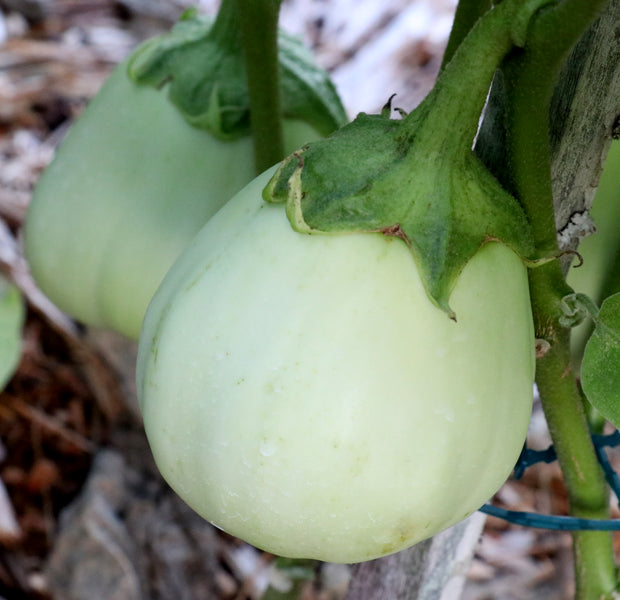
Ao Daimaru is a traditional Japanese summer squash (zucchini) variety that produces round to slightly flattened dark green fruits with tender flesh and a delicate, sweet flavor. It is excellent for stir-frying, grilling, steaming, stuffing, soups, and tempura. In the Gulf region, it grows best during the cool season.
Best Planting Time
- September to November (recommended)
- A second planting is possible from January to February in cooler Gulf areas.
- Avoid planting during late spring and summer due to excessive heat.
Seed Preparation
- No soaking is required.
- Optional: Soak seeds in lukewarm water for 4–6 hours before sowing to speed up germination.
- Use fresh, high-quality seeds.
Soil Preparation
Zucchini grows best in fertile, loose, well-drained soil rich in organic matter.
Recommended mix:
- 40% Sandy loam soil
- 30% Well-rotted compost or manure
- 20% Coco peat
- 10% Perlite
Ideal soil pH:
- 6.0–7.0
Sowing Method
- Sow seeds directly into the garden or large containers.
- Plant 2–3 seeds per hole, 2–3 cm deep.
- Thin to the strongest seedling after germination.
- If starting indoors, transplant carefully to avoid root disturbance.
Temperature & Light
- Ideal germination temperature: 22–30°C
- Ideal growing temperature: 18–30°C
- Requires 6–8 hours of direct sunlight daily.
- Provide light afternoon shade when temperatures exceed 35°C.
Watering
- Keep soil evenly moist during germination.
- Water deeply when the top 3–5 cm of soil becomes dry.
- Avoid waterlogging and overhead watering.
- Consistent moisture produces tender, high-quality fruits.
Germination Time
- 5–10 days
Plant Spacing
- 60–90 cm between plants.
- 100–120 cm between rows.
Harvest
- Harvest approximately 45–55 days after sowing.
- Pick fruits when they are 8–12 cm in diameter while still young and tender.
- Harvest every 2–3 days for continuous production.
Fertilization
- Incorporate compost before planting.
- Feed every 2–3 weeks with a balanced vegetable fertilizer.
- Increase potassium during flowering and fruit development.
- Avoid excessive nitrogen, which encourages leaf growth instead of fruit.
Gulf Climate Tips
- Grow only during the cooler months.
- Apply mulch to keep roots cool and reduce moisture loss.
- Water early in the morning.
- Bees are essential for pollination; hand-pollinate if pollinator activity is low.
- Monitor for aphids, whiteflies, spider mites, squash vine borers (where present), powdery mildew, and downy mildew.
- Harvest fruits while young for the best texture and flavor.
Share