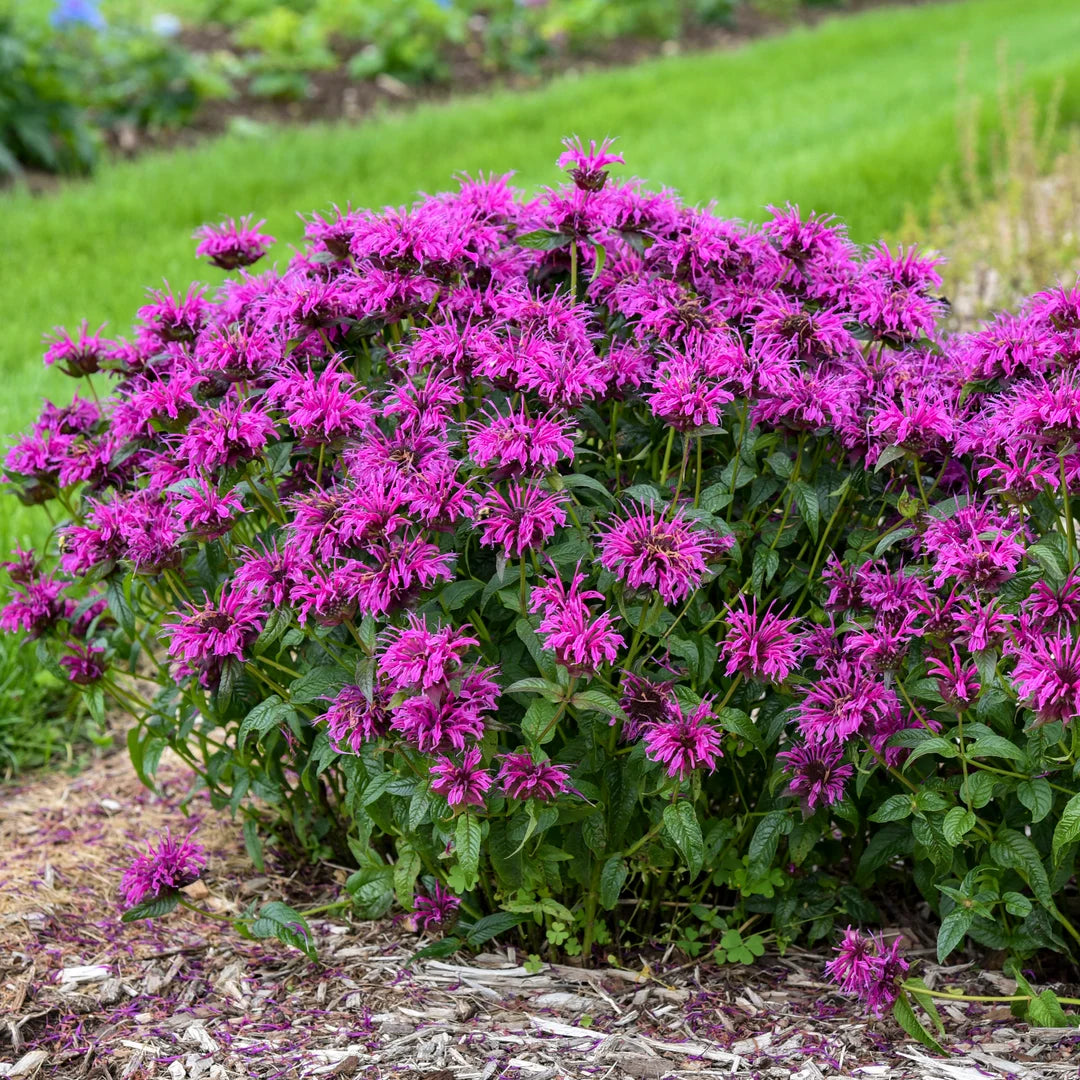

Bee Palm purple
Bee Palm purple
Couldn't load pickup availability
1300 seeds
How to Seed Bee Balm Purple (Monarda citriodora)
-
Best Time to Sow (Gulf Region):
-
Outdoors: From October to February, when temperatures range between 15–28°C (59–82°F).
-
Indoors or shaded nursery: From December to February for early transplanting.
-
Avoid sowing from April to September, as high heat and humidity reduce germination and cause stress to seedlings.
-
-
Sowing Depth:
Scatter seeds on the surface of moist soil and press lightly — do not cover, as light aids germination. -
Soil:
Prefers well-drained, moderately rich soil.
Ideal Gulf mix: 40% garden soil + 30% peat moss + 20% perlite + 10% compost.
Avoid heavy clay or waterlogged soil to prevent root rot. -
Light & Temperature:
-
Germination temperature: 18–22°C (64–72°F).
-
Place in a bright area with indirect light until germination.
-
After germination, move seedlings to a sunny, airy location.
-
Bee Balm enjoys full morning sun with light afternoon shade in the Gulf.
-
-
Germination Time:
Seeds germinate in 10–20 days under warm, moist conditions. -
Transplanting:
-
When seedlings reach 8–10 cm tall, transplant into the garden or pots.
-
Space plants 25–30 cm apart to allow air circulation and avoid mildew.
-
Harden seedlings gradually before full outdoor exposure.
-
-
Growing Tips for Gulf Climate:
-
Sunlight: Grows best in full to partial sun; strong morning sun and light shade in the afternoon are ideal.
-
Watering: Keep soil evenly moist during germination and early growth, then reduce watering once plants are established. Bee Balm tolerates short dry spells.
-
Feeding: Apply a balanced fertilizer every 3–4 weeks for vigorous growth and flowering.
-
Maintenance: Trim faded blooms to encourage new growth and prolong blooming.
-
The Bee Balm Purple variety produces aromatic purple flower clusters that attract bees, butterflies, and hummingbirds — perfect for borders, herb gardens, and containers.
-
Blooms from late winter to early summer in the Gulf region.
-
Share