
Bird's Eyes
Bird's Eyes
Couldn't load pickup availability
500 Seeds
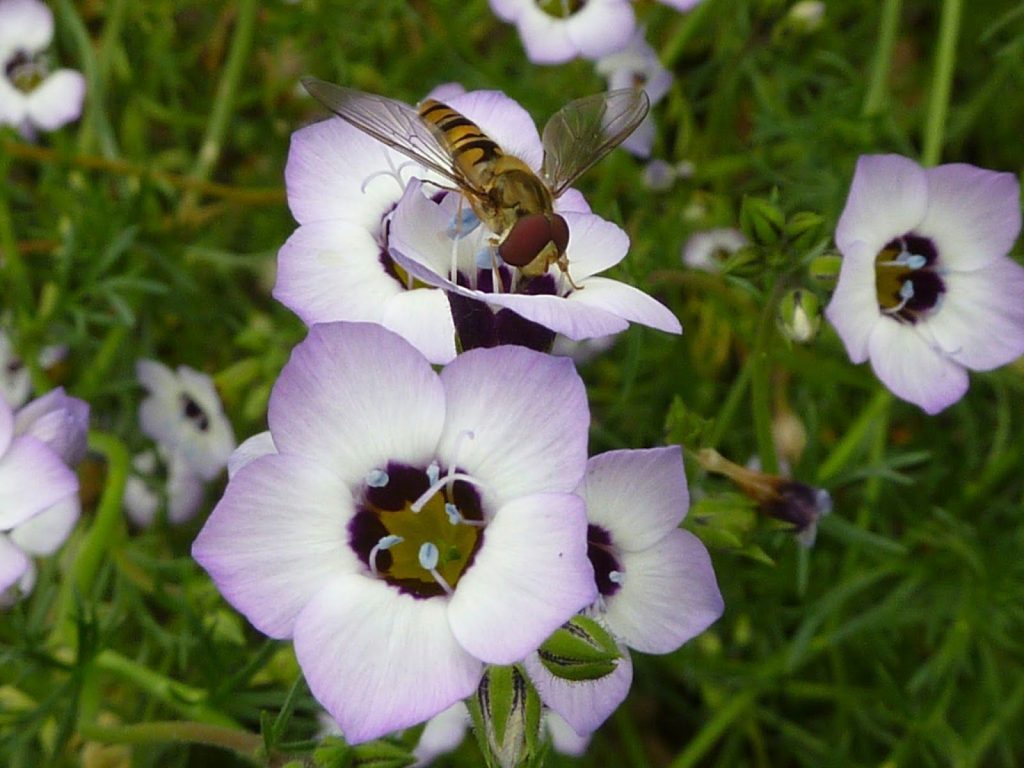
Seeding Bird’s Eyes (Gilia tricolor) is a lovely way to grow a charming, native wildflower known for its striking tri-colored blooms — usually lavender petals with a purple center and yellow throat. It’s an easy-to-grow annual that attracts pollinators and thrives in wildflower meadows, borders, and dry, sunny spots.
Here’s your full guide:
🌸 Bird’s Eyes (Gilia tricolor) – Seeding Guide
📅 When to Sow
✅ Outdoors (direct sow – ideal):
-
Fall: Best time in warm climates (natural stratification)
-
Early spring: As soon as soil can be worked (cool-loving annual)
✅ Indoors (optional):
-
Start 6–8 weeks before last frost, but direct sowing is easier and more natural for this wildflower
🕰️ Short-lived but quick to bloom — ideal for early-season color.
🌱 How to Sow
Site & Soil:
-
Full sun
-
Well-draining, sandy or loamy soil
-
Tolerates poor soil and drought once established
Sowing Instructions:
-
Depth: Surface-sow or cover very lightly (1/16 inch / 1 mm)
-
Spacing: Scatter thinly; thin to 6–10 inches apart after sprouting
-
Water gently but thoroughly after sowing
🌡️ Germination
-
Temperature: 55–70°F (13–21°C)
-
Time: 7–20 days
-
Keep soil evenly moist (not soaked) until seedlings emerge
🌿 After Germination
-
Thin seedlings when they’re 2–3 inches tall
-
Once established, drought-tolerant and low-maintenance
🌸 Blooming
-
Blooms in 8–10 weeks from sowing
-
Flowering season: Spring to early summer
-
Will fade in hot summer temps, so often treated as a spring annual
🪴 Growing Tips
-
Great for wildflower gardens, rock gardens, containers, and pollinator patches
-
Let some go to seed to naturalize for future seasons
-
Minimal care required after germination
🐝 Pollinator-Friendly
-
Attracts bees, butterflies, and hoverflies
-
Native to western North America — good for supporting local pollinators
Share