

Black Sesame
Black Sesame
Couldn't load pickup availability
20 Seeds
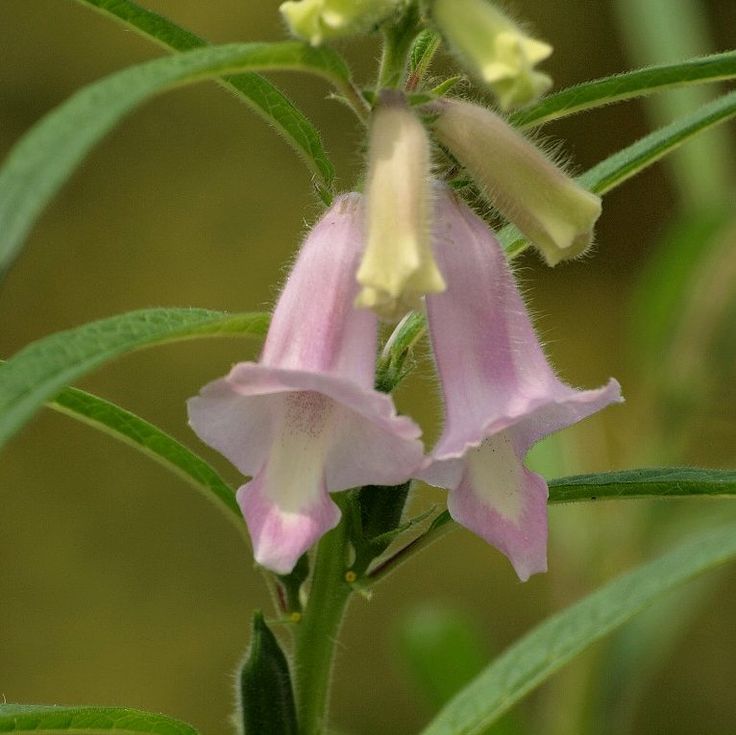
Black Sesame (Sesamum indicum) is a warm-season annual grown for its small, dark-colored edible seeds. Sesame plants are upright and can become quite tall, producing tubular white to pale-pink flowers followed by seed capsules. Black-seeded forms are cultivated in several Asian regions.
Sesame is well suited to hot, sunny conditions once established and has good drought tolerance because of its extensive root system. However, young plants need adequate moisture, and sesame does not tolerate waterlogged soil.
🌱 Best Planting Time
- Gulf region: March–May and September–October
- Kuwait: March–April and September–October
- For seed production, choose a period that provides a long, warm growing season.
- Avoid starting seedlings during the coldest winter period or during periods when extreme Gulf heat is combined with poor irrigation.
- Sesame grows best in warm conditions; soil temperatures above approximately 21°C are suitable for planting.
🌿 How to Plant the Seeds
- Choose a sunny location with loose, fertile, well-draining soil.
- Prepare a fine, weed-free seedbed.
- Moisten the soil before sowing.
- Sow the small seeds shallowly, about 0.5–1 cm deep.
- Cover lightly with fine soil.
- Water gently so the seeds are not washed away.
- Keep the soil lightly and consistently moist during germination.
- Once seedlings are established, thin them to approximately 20–30 cm apart.
- Keep the planting area free of weeds, especially while the young plants are small.
Sesame seeds are naturally small and should not be planted deeply. A shallow, well-prepared seedbed with good moisture is important for establishment.
🌡️ Germination
- Suitable temperature: approximately 20–30°C
- Germination is generally quicker in warm soil.
- Keep the seedbed moist but never saturated.
- Provide bright light as soon as seedlings emerge.
- Avoid excessive watering, as sesame is sensitive to waterlogging.
🌱 Thinning & Transplanting
Direct sowing is preferable because sesame develops an extensive root system.
When seedlings are established:
- Thin to approximately 20–30 cm between plants.
- Keep rows approximately 45–60 cm apart for easier maintenance.
- Remove weak or crowded seedlings.
- Avoid disturbing the roots unnecessarily.
☀️ Sunlight
- Provide full sun.
- Aim for at least 6–8 hours of strong sunlight daily.
- Sesame performs particularly well under bright, warm conditions.
- In the Gulf, young plants can benefit from some protection from exceptionally intense afternoon heat.
- Good airflow is important, particularly in humid coastal areas.
💧 Watering
- Keep the soil evenly moist during germination and early growth.
- Water more regularly while plants are young.
- Once established, sesame becomes relatively drought tolerant.
- Increase attention to watering during flowering and seed development.
- Allow the upper soil to dry slightly between deeper waterings once plants are established.
- Never keep the soil continuously saturated. Sesame is particularly sensitive to waterlogging.
🌱 Soil
Use:
- Loose, fertile, well-draining soil
- Sandy loam or light loam
- Mature compost or well-decomposed organic matter
- Perlite, pumice, or coarse material in containers if drainage is poor
Sesame tolerates a range of soils but performs best where drainage is good. FAO data indicates a broad preferred soil pH range around 5.5–7.5.
🌿 Fertilizing
- Incorporate mature compost before planting.
- Use a mild balanced fertilizer during early growth if the soil is poor.
- Avoid excessive nitrogen, which can encourage excessive leafy growth.
- Maintain balanced nutrition during flowering and seed formation.
- Do not overfertilize plants grown in containers.
🌸 Flowering & Seed Production
Sesame produces tubular white, pale-pink, or similar flowers along the stems, followed by elongated seed capsules. The capsules contain numerous small seeds.
Depending on the variety and growing conditions, sesame may mature in approximately 90–120 days, although some types can take longer.
For black sesame, allow the capsules and seeds to mature fully before harvesting.
🌾 Harvesting Black Sesame Seeds
- Watch the lower seed capsules as they mature.
- As the plant approaches maturity, leaves and stems begin turning yellow.
- Harvest before mature capsules split widely and release the small seeds.
- In varieties prone to shattering, cut the plants when the lower capsules are mature and allow them to finish drying in a protected, dry location.
- Dry the harvested capsules thoroughly before collecting and cleaning the seeds.
Sesame capsules can naturally split open at maturity, so timely harvesting is important for minimizing seed loss.
🪴 Growing in Containers
Black Sesame can be grown in large containers.
- Use a 30–40 cm or larger container.
- Choose a deep container because sesame develops an extensive root system.
- Ensure excellent drainage.
- Place in full sun.
- Avoid overcrowding.
- Tall plants may need protection from strong winds.
🔥 Gulf Climate Tips
- Sesame is naturally adapted to warm and hot growing conditions, making it a useful crop for Gulf gardens.
- In Kuwait, March–April is a good spring window, while September–October can provide another suitable planting period.
- Protect newly emerged seedlings from extreme afternoon heat until they are well established.
- Maintain good moisture during germination even though mature sesame is drought tolerant.
- Excellent drainage is essential.
- Avoid planting in areas where irrigation water accumulates.
- Keep weeds controlled during the early growth stage because young sesame plants can be easily overwhelmed by competing weeds.
- Protect tall plants from strong winds, particularly as they approach maturity.
🌱 Growing Tip: For Gulf conditions, sow Black Sesame when the soil is warm, give the seedlings reliable moisture during establishment, and then gradually reduce watering once the plants develop a strong root system.
Share