
Blackcurrants
Blackcurrants
Couldn't load pickup availability
5 Seeds
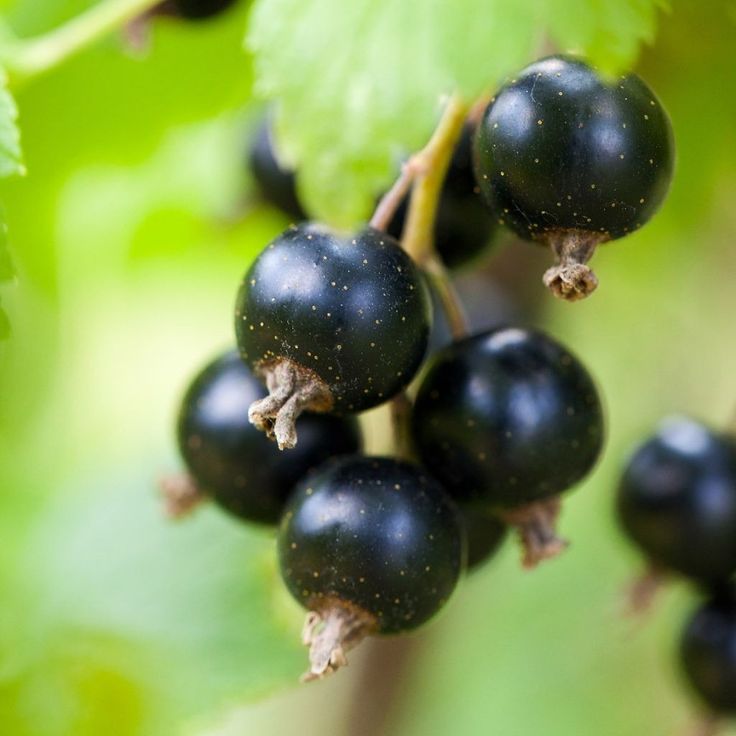
Blackcurrant is a deciduous fruit shrub that produces clusters of small, glossy black berries with a rich, tangy flavor. The berries are exceptionally high in vitamin C, anthocyanins, antioxidants, potassium, and dietary fiber. They are widely used for fresh consumption, juices, jams, jellies, syrups, desserts, and herbal products. Blackcurrants naturally thrive in cool temperate climates and require winter chilling. In the Gulf region, they are best grown in air-conditioned or cooled greenhouses, shade houses, or as a cool-season experimental crop, as prolonged summer heat limits outdoor cultivation.
Best Planting Time
- November to January (recommended)
- Sow after completing cold stratification.
- Avoid sowing during the hot summer months.
Seed Preparation
Blackcurrant seeds require cold stratification to break dormancy.
- Remove seeds from ripe berries and wash thoroughly.
- Soak seeds in clean water for 24 hours.
- Mix seeds with slightly moist peat moss or vermiculite.
- Place the mixture in a sealed plastic bag.
- Refrigerate at 2–5°C for 90–120 days.
- Sow immediately after stratification.
Soil Preparation
Use fertile, loose, well-drained soil rich in organic matter.
Recommended mix:
- 40% Coco peat
- 30% Compost
- 20% Garden soil
- 10% Perlite
Ideal soil pH
- 5.5–6.5
Sowing Method
- Sow seeds in seed trays or small pots.
- Plant seeds 0.5–1 cm deep.
- Cover lightly with fine soil or vermiculite.
- Keep the growing medium consistently moist until germination.
Temperature & Light
- Ideal germination temperature: 15–20°C
- Ideal growing temperature: 15–24°C
- Requires 4–6 hours of morning sunlight or bright filtered light.
- Protect plants from temperatures above 30°C, especially during summer.
Watering
- Keep the soil evenly moist throughout germination and growth.
- Water when the top 2–3 cm of soil begins to dry.
- Ensure good drainage to prevent root rot.
Germination Time
- 30–90 days after cold stratification.
- Some seeds may germinate over several months.
Transplanting
- Transplant seedlings when they have:
- 4–6 true leaves
- Height of 15–20 cm
- Space plants:
- 1.2–1.5 m apart
- Space rows:
- 2–2.5 m apart
Fruiting
- Plants grown from seed usually begin producing fruit after:
- 2–4 years
- Harvest berries when they are fully black, glossy, and slightly soft.
Gulf Climate Tips
- Blackcurrants are not naturally adapted to the Gulf climate.
- Grow them in cooled greenhouses, climate-controlled shade houses, or other protected environments.
- Apply organic mulch to keep the root zone cool.
- Water regularly while ensuring excellent drainage.
- Fertilize every 4–6 weeks with a balanced fertilizer during active growth.
- Protect plants from hot desert winds and intense afternoon sun.
- Growing in large containers allows plants to be moved to cooler locations during the hottest months.
Share