
1
/
of
1
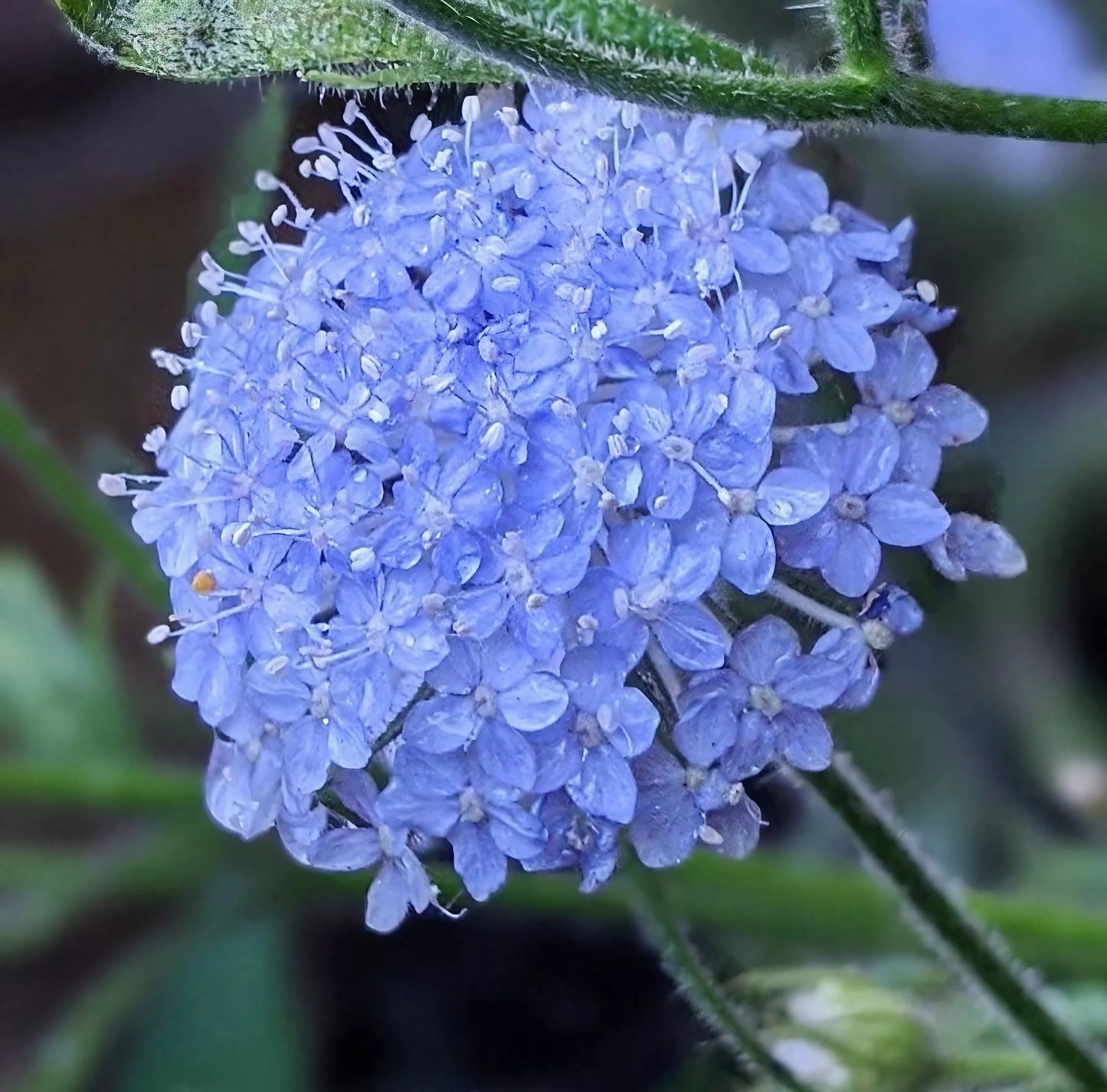
Blue Lace Flower
Blue Lace Flower
No reviews
Regular price
1.500 KWD
Regular price
1.750 KWD
Sale price
1.500 KWD
Shipping calculated at checkout.
Quantity
Couldn't load pickup availability
40 Seeds
Blue Lace Flower is an elegant annual wildflower that produces delicate umbrella-shaped clusters of lavender-blue flowers on long stems. It is highly prized for cut flower gardens, borders, cottage gardens, and pollinator-friendly landscapes. The blooms attract bees, butterflies, and other beneficial insects. In the Gulf region, it performs best during the cool season.
Best Planting Time
- October to January (recommended)
- Best flowering occurs during the cool Gulf season.
- Avoid sowing during the hot summer months.
Seed Preparation
- No soaking is required.
- Sow fresh, high-quality seeds.
- No cold stratification is needed.
Soil Preparation
Use fertile, light, well-drained soil rich in organic matter.
Recommended mix:
- 40% Garden soil
- 30% Compost
- 20% Coco peat
- 10% Perlite or coarse sand
Ideal soil pH:
- 6.0–7.5
Sowing Method
- Sow seeds directly into the garden or in seed trays.
- Plant seeds 3–5 mm deep.
- Cover lightly with fine soil.
- Keep the soil evenly moist until germination.
- If started in trays, transplant carefully when seedlings have 3–4 true leaves.
Temperature & Light
- Ideal germination temperature: 15–22°C
- Ideal growing temperature: 15–26°C
- Requires 6–8 hours of direct sunlight daily.
- In warmer Gulf regions, light afternoon shade helps extend flowering.
Watering
- Keep the soil consistently moist during germination.
- Water when the top 2–3 cm of soil becomes dry.
- Once established, the plant tolerates short dry periods.
- Avoid waterlogged soil.
Germination Time
- 10–21 days
Plant Spacing
- 25–30 cm between plants.
- 30–40 cm between rows.
Flowering
- Blooms approximately 90–110 days after sowing.
- Remove faded flowers regularly to encourage more blooms.
- Excellent for fresh bouquets and dried floral arrangements.
Fertilization
- Mix compost into the soil before planting.
- Apply a balanced flowering fertilizer every 3–4 weeks.
- Avoid excessive nitrogen, which encourages foliage rather than flowers.
Gulf Climate Tips
- Grow during the cool season only.
- Water early in the morning.
- Apply mulch to help retain soil moisture.
- Ensure good air circulation.
- Monitor for aphids, spider mites, powdery mildew, and root rot caused by overwatering.
- Blue Lace Flower is ideal for flower borders, cottage gardens, cutting gardens, containers, and pollinator gardens throughout the Gulf.
Share