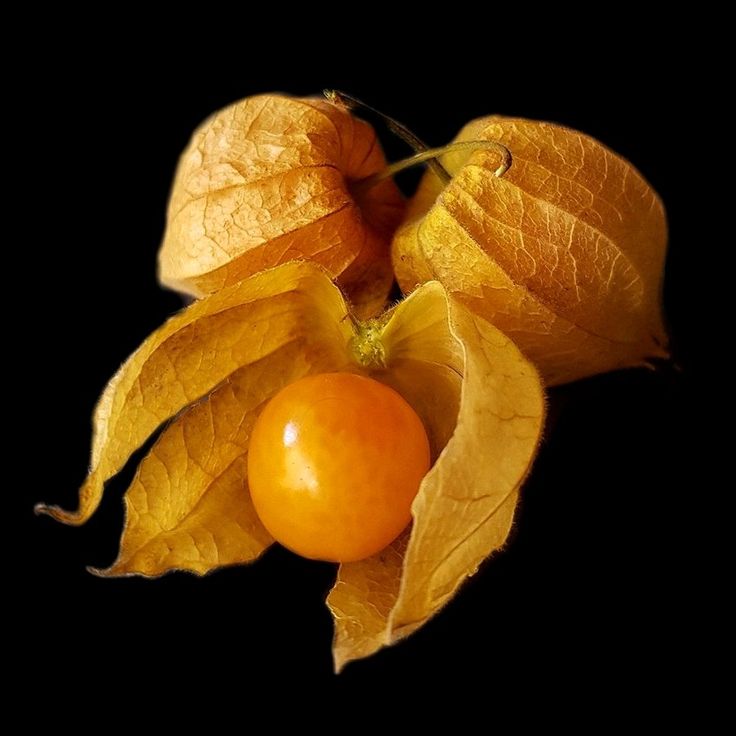

Cape Gooseberry
Cape Gooseberry
Couldn't load pickup availability
25 Seeds
Cape Gooseberry, also known as Golden Berry, Peruvian Groundcherry, or Physalis, is a perennial plant often grown as an annual. It produces small, golden-orange fruits enclosed in a papery husk. The berries have a sweet-tart tropical flavor with hints of pineapple and citrus and are rich in vitamins A, C, B-complex, antioxidants, iron, phosphorus, and dietary fiber. They are excellent for fresh eating, fruit salads, desserts, smoothies, jams, sauces, and drying. Cape Gooseberry performs very well in the Gulf region during the cooler growing season and is suitable for gardens, raised beds, containers, greenhouses, and hydroponic systems.
Best Planting Time
- August to October (recommended)
- January to February (for greenhouse cultivation)
- Avoid outdoor planting during the hottest summer months.
Seed Preparation
- Soak seeds in warm water (25–28°C) for 4–6 hours before sowing (optional).
- No cold stratification is required.
Soil Preparation
Use fertile, loose, well-drained soil rich in organic matter.
Recommended mix:
- 40% Coco peat
- 30% Compost
- 20% Garden soil
- 10% Perlite
Ideal soil pH:
- 5.8–6.8
Sowing Method
- Sow seeds in seed trays or nursery pots.
- Plant seeds 0.5 cm deep.
- Cover lightly with fine soil or vermiculite.
- Keep the growing medium consistently moist until germination.
Temperature & Light
- Ideal germination temperature: 22–28°C
- Ideal growing temperature: 18–30°C
- Requires 6–8 hours of direct sunlight daily.
- During hot Gulf afternoons, provide 30% shade cloth if temperatures exceed 35–38°C.
Watering
- Keep the soil evenly moist during germination.
- Water deeply whenever the top 2–3 cm of soil becomes dry.
- Avoid prolonged waterlogging.
Germination Time
- 10–21 days
Transplanting
- Transplant seedlings when they have:
- 4–6 true leaves
- Height of 15–20 cm
- Space plants:
- 60–75 cm apart
- Space rows:
- 90–120 cm apart
Harvesting
- Harvest begins:
- 80–100 days after transplanting
- Fruits are ready when:
- The papery husk becomes dry and light brown.
- The fruit turns bright golden-orange.
- Mature fruits often fall naturally to the ground while remaining protected inside the husk.
Gulf Climate Tips
- Plant during August to October for the best production.
- Apply organic mulch to conserve soil moisture and keep roots cool.
- Fertilize every 2 weeks with a balanced fertilizer during vegetative growth, then switch to one higher in potassium during flowering and fruiting.
- Light staking or small cages may be used if plants become heavily loaded with fruit.
- Cape Gooseberry performs exceptionally well in raised beds, large containers, greenhouses, hydroponic systems, and home gardens.
Share