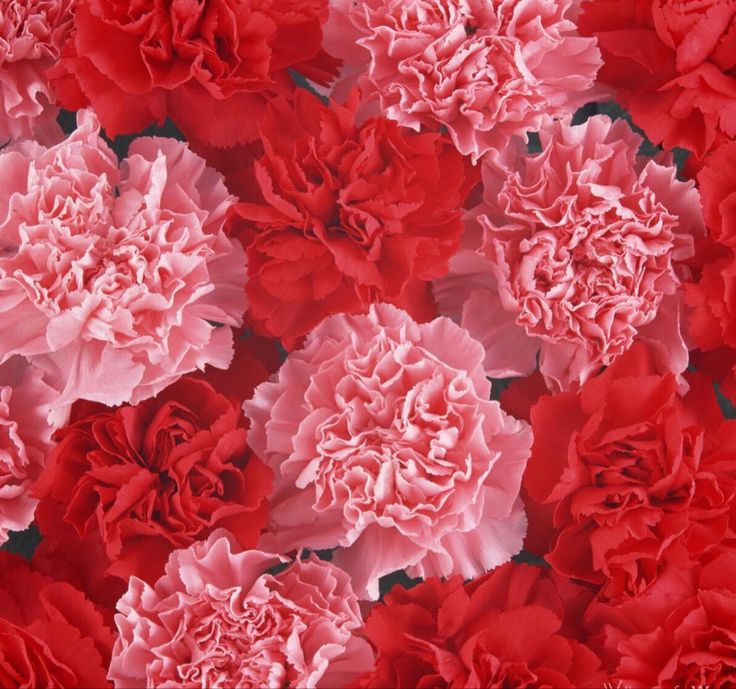

Carnation 'Vienna'
Carnation 'Vienna'
Couldn't load pickup availability
200 Seeds
Seeding Carnation 'Vienna' is a great way to grow a vibrant mix of traditional-looking carnations (Dianthus caryophyllus) from seed. The ‘Vienna’ series typically includes a mix of colors, compact growth, and suitability for containers, borders, and cutting.
Here’s a complete guide to seeding and growing Carnation 'Vienna':
🌸 Carnation 'Vienna' – Seeding Guide
✅ Quick Overview
-
Botanical name: Dianthus caryophyllus
-
Type: Half-hardy perennial (often grown as an annual)
-
Growth habit: Compact, bushy
-
Height: ~30–40 cm (12–16 in)
-
Bloom time: Late spring to early fall
-
Ideal for: Beds, borders, containers, cut flowers
🌱 Step-by-Step Seeding Instructions
1. When to Sow
-
Indoors: 8–10 weeks before last frost
-
Outdoors: After last frost (in mild climates), or in late summer/autumn for overwintering in temperate zones
2. Seed Starting Indoors (Recommended)
-
Containers: Seed trays or small pots
-
Soil: Light, well-draining seed-starting mix
-
Sowing depth: Lightly cover seeds (1–2 mm deep) or just press into moist soil—light aids germination
🌡️ Germination Conditions
-
Temperature: 15–21°C (60–70°F)
-
Germination time: 7–14 days
-
Use a humidity dome or plastic cover to maintain moisture until germination
3. After Germination
-
Move seedlings to a bright spot or under grow lights
-
Thin or transplant when seedlings have 2–3 true leaves
-
Harden off for 7–10 days before transplanting outside
4. Transplanting Outdoors
-
Timing: After danger of frost has passed
-
Spacing: 20–30 cm (8–12 in) apart
-
Location: Full sun, well-drained soil
☀️ Growing Conditions
| Factor | Requirement |
|---|---|
| Light | Full sun |
| Soil | Well-draining, slightly alkaline preferred |
| Water | Moderate, avoid overwatering |
| Feeding | Monthly with a balanced fertilizer during bloom season |
✂️ Care Tips
-
Pinch tips early to encourage bushy growth
-
Deadhead spent flowers to promote continuous blooming
-
Good airflow helps prevent fungal issues (avoid overcrowding)
-
Can be overwintered in mild climates or grown as annuals elsewhere
Share