
Catnip
Catnip
Couldn't load pickup availability
50 Seeds
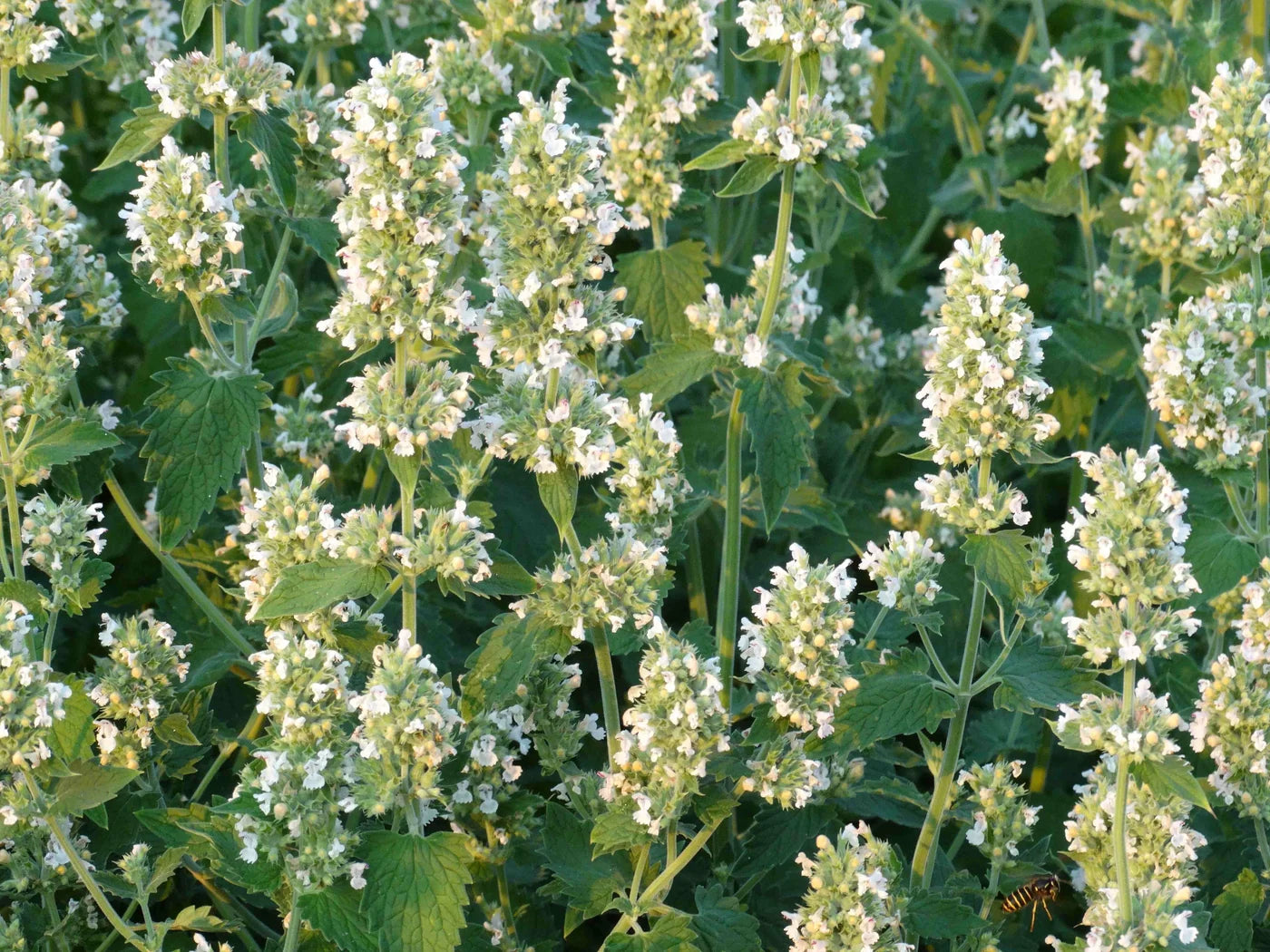
Catnip is a fragrant perennial herb in the mint family. It has soft, gray-green leaves and small white to pale pink flowers, often marked with purple spots.
The plant is famous for its attractive effect on many cats due to the natural compound nepetalactone found mainly in the leaves and stems. It is also a useful aromatic garden herb and produces flowers that can attract bees and other pollinating insects.
Catnip prefers cooler conditions than the intense Gulf summer, so it is best grown during the cooler months. In very hot weather, growth may slow considerably.
🌱 Best Sowing Time
- Gulf Region: September–February
- Kuwait: October–January
- UAE & Qatar: September–February
- Saudi Arabia & Bahrain: September–February
- Oman: September–February, depending on temperature and elevation
For Kuwait, October–December is generally a good period to start seeds.
🌿 How to Sow
- Fill a seed tray or small pot with a light, well-draining seed-starting mix.
- Scatter the small seeds over the surface.
- Cover very lightly with about 2–3 mm of fine soil.
- Mist or water gently so the seeds are not displaced.
- Keep the soil lightly and consistently moist.
- Place the tray in a bright, warm location with good ventilation.
- Avoid burying the seeds deeply.
🌡️ Germination
- Ideal temperature: 18–24°C
- Germination time: approximately 7–21 days
- Germination can be irregular if temperatures are unsuitable.
- Avoid excessive heat during germination.
- Keep the seed-starting mix moist but not saturated.
🌱 Seedling Care
After emergence:
- Provide bright light.
- Give gentle morning sunlight.
- Protect young seedlings from strong Gulf afternoon sun.
- Water when the surface begins to dry.
- Maintain good airflow.
- Thin crowded seedlings to encourage stronger growth.
🌿 Transplanting
Transplant when seedlings have developed several true leaves.
- Plant spacing: 30–45 cm
- Container: 5–10 L or larger per plant
- Use containers with excellent drainage.
- Harden seedlings gradually before planting outdoors.
- Transplant during the cooler part of the day.
Catnip can be particularly convenient in containers because the plants can be moved to a cooler or partially shaded location during extreme Gulf heat.
☀️ Sunlight
Catnip prefers plenty of sunlight but benefits from protection during extreme Gulf heat.
- Aim for 5–7 hours of good sunlight.
- Morning sun is ideal.
- Provide afternoon shade during very hot weather.
- Avoid prolonged exposure to intense summer afternoon sunlight.
- Keep containers away from hot concrete, metal, and reflective walls.
💧 Watering
- Keep young plants moderately moist.
- Once established, allow the upper soil layer to dry slightly between watering.
- Water more frequently during hot, dry weather.
- Avoid constantly wet soil.
- Ensure excess water drains freely.
- Water around the base of the plant rather than keeping the foliage constantly wet.
🌱 Soil
Catnip prefers fertile but well-draining soil.
A suitable container mixture can include:
- Quality potting soil or coco peat
- Aged compost
- Perlite or pumice
- A little coarse sand if needed for additional drainage
Avoid heavy soil that remains wet for long periods.
🌿 Fertilizing
Catnip is not a heavy feeder.
- Begin light feeding after the seedlings become established.
- Use a balanced herb or general-purpose fertilizer at a low rate.
- Feed approximately every 4–6 weeks during active growth.
- Avoid excessive nitrogen, which can produce soft, overly leafy growth.
- Reduce feeding during periods of extreme heat.
🌸 Flowering
Catnip produces small white to pale pink flowers, often with purple markings.
The flowers can attract:
- Bees
- Butterflies
- Other beneficial pollinating insects
Regular trimming can help maintain a bushier plant and encourage fresh leafy growth.
✂️ Harvesting
Once the plant is well established:
- Harvest leaves and young stems as needed.
- For cat-related use, allow the plant to develop plenty of healthy foliage before harvesting.
- Cut stems rather than removing large numbers of individual leaves.
- Leaves can be used fresh or dried.
- Drying the leaves can help preserve their aroma for later use.
🐱 Important: Catnip affects many cats, but not all cats respond to it. Keep dried catnip and harvested plant material intended for cats clean and free from pesticides or other chemicals.
🔥 Gulf Climate Tips
- Grow Catnip mainly during the cooler Gulf season.
- Protect plants from prolonged temperatures above 35°C.
- Provide morning sun and afternoon protection during hot weather.
- Containers are useful for moving plants away from extreme heat.
- Avoid hot rooftops and surfaces that absorb and radiate heat.
- Excellent drainage is important, particularly in humid coastal areas.
- Good airflow helps prevent problems during humid weather.
- In extreme summer heat, the plant may become stressed or enter a period of slow growth.
🌱 Growing Tip: Catnip is best started during the cooler Gulf months. Sow the tiny seeds shallowly, keep them lightly moist until germination, then give established plants plenty of morning light with afternoon protection from intense heat.
Share