
Chilli Pepper Yellow Habanero
Chilli Pepper Yellow Habanero
Happy Green Shop
Country of origin: United Kingdom
Couldn't load pickup availability
30 Seeds
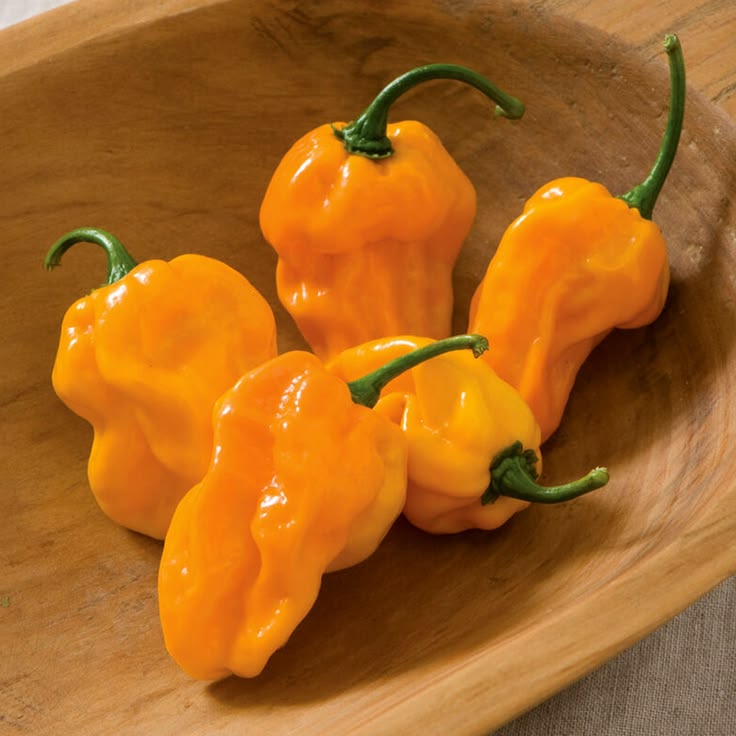
Yellow Habanero is a hot chilli pepper producing attractive lantern-shaped fruits that ripen from green to bright golden yellow. The peppers have a fruity, citrus-like character and intense heat, making them suitable for hot sauces, salsas, marinades, drying, and spicy cooking.
The plant is warm-loving and can perform well in the Gulf when grown during a suitable part of the year. Extreme heat, however, can interfere with flowering and fruit set, so timing is particularly important in Gulf climates. Peppers generally set fruit best around 18–29°C, while very high temperatures can reduce fruit set.
🌱 Best Planting Time in the Gulf
For Gulf conditions, avoid the hottest summer period.
- Kuwait: September–November and February–April
- UAE, Qatar and Bahrain: September–April, depending on local temperatures
- Saudi Arabia and Oman: September–April, adjusted for the local climate
- In very hot areas, aim to grow the plants so flowering and fruiting occur during the milder months.
- Avoid transplanting young plants into extreme summer heat.
🌱 How to Plant the Seeds
For the best results, start the seeds in trays or small pots rather than sowing directly into the garden.
- Fill seed trays or small pots with a fine, well-drained seed-starting mix.
- Sow the seeds about 0.5–0.6 cm deep.
- Keep the growing medium moist but never waterlogged.
- Maintain warm conditions of approximately 25–30°C for reliable germination.
- Provide bright light as soon as seedlings emerge.
- When seedlings develop several true leaves, transplant them into individual pots.
- Grow the seedlings until they are strong and well established.
- Gradually acclimatize them to outdoor conditions before planting into their final location. Pepper-growing guidance recommends starting seeds around 6–8 weeks before transplanting, while Yellow Habanero-specific guidance commonly recommends warm germination conditions.
🌡️ Germination
Yellow Habanero seeds need warm soil for good germination.
- Ideal germination temperature: approximately 25–30°C
- Germination can take around 7–21 days, depending on temperature and seed quality.
- Cooler conditions can make germination slower and less uniform.
In the Gulf, a warm but protected seed-starting area is useful during the cooler part of the season.
☀️ Sunlight
- Once established, provide full sun.
- Aim for at least 6–8 hours of direct sunlight where possible.
- During extreme Gulf heat, morning sun with light afternoon shade can reduce heat stress.
- Avoid placing containers against surfaces that become extremely hot, such as exposed metal or dark concrete.
💧 Watering
- Keep the soil evenly moist during early growth.
- After establishment, water deeply when the upper layer of soil begins to dry.
- Avoid continuous saturation.
- During flowering and fruit development, maintain consistent moisture because severe water stress can reduce fruit production.
- Container-grown peppers generally require more frequent watering.
🌱 Soil
Yellow Habanero grows best in fertile, loose and well-drained soil.
- Sandy loam or good-quality vegetable soil is suitable.
- Mix mature compost into the soil before planting.
- Good drainage is essential.
- A soil pH around 6.0–6.8 is suitable; pepper production guidance commonly targets around pH 6.5.
🌿 Fertilizing
Feed moderately during active growth.
- Start with mature compost or a balanced vegetable fertilizer.
- Once plants begin flowering and fruiting, use a fertilizer suitable for fruiting vegetables.
- Avoid excessive nitrogen, which can produce vigorous foliage with fewer fruits.
🪴 Transplanting & Spacing
When seedlings are strong and outdoor temperatures are suitable:
- Space plants approximately 40–50 cm apart.
- Allow about 60–90 cm between rows where space permits.
- Transplant in the early morning or late afternoon to reduce transplant shock.
- Water thoroughly after transplanting.
🪴 Growing in Containers
Yellow Habanero is well suited to container growing.
- Use a large container with excellent drainage.
- A container of around 10–20 L or larger is suitable for a mature plant.
- Use fertile, well-drained potting mix.
- Place the container in a sunny location.
- Provide support if the plant becomes heavily loaded with fruit.
- During extreme Gulf heat, move containers to a location with morning sun and afternoon protection.
🌶️ Flowering & Fruiting
After establishing a strong plant, small white flowers develop and are followed by green peppers. The fruits gradually mature to bright yellow.
High temperatures can interfere with pollination and fruit set. If a plant grows well but temporarily produces few fruits during very hot weather, production may improve again when temperatures moderate.
🌶️ Harvesting
Harvest when the peppers have developed their characteristic bright yellow mature color.
- Use scissors or pruning shears to remove fruits without damaging branches.
- Frequent harvesting can encourage continued production.
- Handle ripe peppers carefully because Habanero-type peppers are extremely hot.
⚠️ Handling Warning
Habanero peppers contain high levels of capsaicin. Wear gloves when harvesting or preparing the fruits and avoid touching the eyes or sensitive skin. Wash hands and tools thoroughly after handling.
🔥 Gulf Growing Tips
- Warmth is essential for germination, but extreme heat is not ideal for flowering and fruiting.
- Start seeds in a protected area with approximately 25–30°C soil temperature.
- Time the crop so the main flowering and fruiting period falls during milder Gulf weather.
- Provide afternoon protection when temperatures become extreme.
- Maintain consistent watering without waterlogging.
- Good airflow is particularly important in humid Gulf locations.
- Avoid excessive nitrogen fertilizer.
- Harvest ripe yellow fruits regularly to encourage continued production.
Share