
China Aster mix
China Aster mix
Tohum Cenneti
Country of origin: Turkey
Couldn't load pickup availability
30 Seeds
1. About the Plant
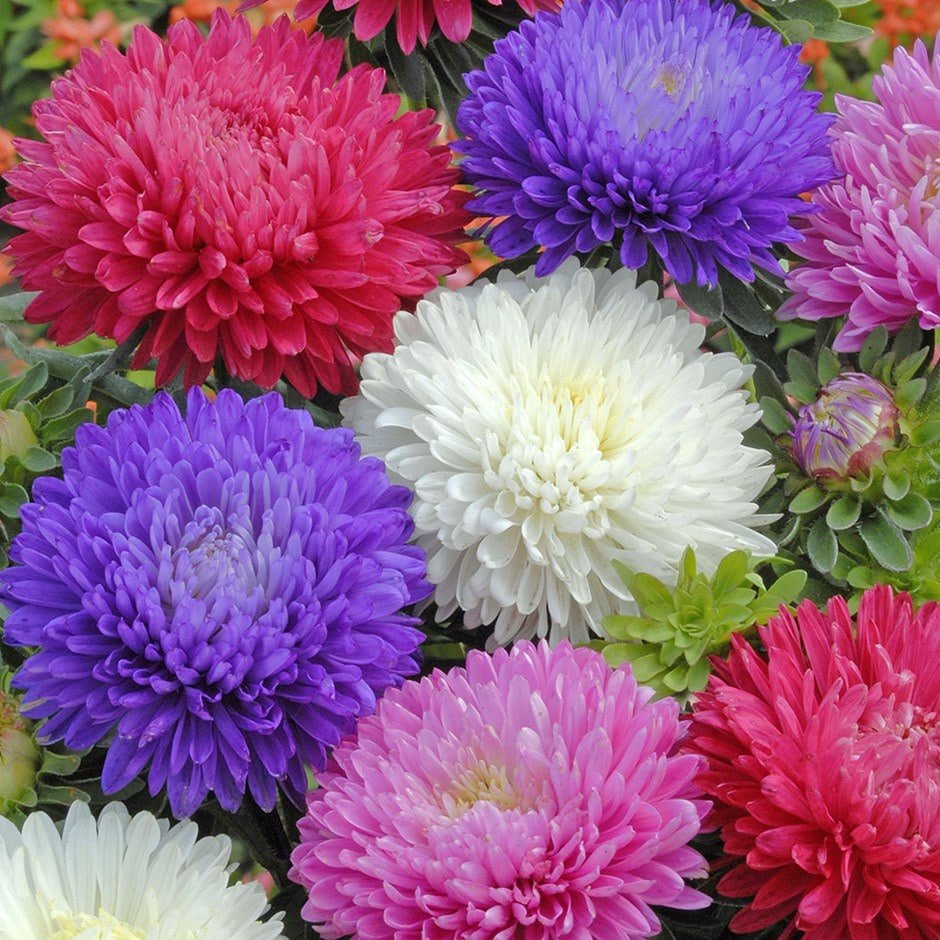
China Aster Mix (Callistephus chinensis) is a popular annual flowering plant grown for its beautiful, colourful blooms. The flowers come in a wide range of colours, which may include pink, purple, violet, red, white, and blue, depending on the seed mix.
The flowers can be single, semi-double, or fully double, with attractive layered petals resembling chrysanthemums. China Asters are excellent for flower beds, borders, decorative pots, and cut-flower arrangements.
Plants generally grow around 30–80 cm tall, depending on the variety and growing conditions. They prefer cool to mild weather and produce their best flowers when grown during the cooler season.
2. Best Planting Time in the Gulf Area
-
Recommended sowing season: October to January.
-
Best time in Kuwait: October to November.
-
Early winter sowing is also possible when temperatures remain suitable.
-
Avoid sowing during the hot summer months, as high temperatures can reduce germination and affect seedling development.
-
In warmer Gulf areas, provide protection from strong afternoon heat.
3. Seed Sowing Instructions
-
Prepare seed trays or small pots with a fine, light, well-draining seed-starting mix.
-
Moisten the growing medium before sowing.
-
Sow the seeds approximately 3–5 mm deep.
-
Cover lightly with a thin layer of fine growing medium.
-
Water gently using a spray bottle or fine watering nozzle.
-
Keep the trays in a bright location with moderate temperatures, avoiding strong direct sunlight during germination.
-
Once seedlings develop 2–3 sets of true leaves, transplant them carefully into individual pots or their final growing location.
-
Space mature plants approximately 20–30 cm apart, depending on the variety.
4. Germination
-
Germination time: Usually 7–14 days.
-
Ideal temperature: Approximately 18–21°C.
-
Keep the growing medium consistently moist but not waterlogged.
-
Provide good ventilation to reduce the risk of fungal problems.
-
After germination, gradually expose seedlings to brighter light.
5. Sunlight
China Asters grow best in a sunny location with some protection from excessive heat.
-
Provide approximately 5–6 hours of sunlight daily.
-
Morning sunlight is ideal in the Gulf climate.
-
Protect young plants from intense afternoon sun.
-
Good light encourages strong stems and healthy flowering.
6. Watering
-
Water regularly during germination and early growth.
-
Keep the soil evenly moist while seedlings establish.
-
Once plants are established, water when the upper layer of soil begins to dry.
-
Avoid waterlogging and overhead watering where possible.
-
Water near the base of the plant, preferably in the morning.
7. Soil Requirements
China Asters prefer fertile, loose, well-draining soil rich in organic matter.
A suitable growing mixture can contain:
-
Quality garden soil.
-
Mature organic compost.
-
Perlite or coarse sand to improve drainage.
The ideal soil should retain enough moisture for healthy growth while allowing excess water to drain freely. Avoid heavy, poorly drained soil.
8. Fertilizing
-
Mix compost into the soil before planting.
-
Apply a balanced liquid fertilizer at a diluted strength every 2–3 weeks during active growth.
-
Avoid excessive nitrogen, which may encourage leafy growth and reduce flowering.
-
Stop or reduce fertilizing when plants are under heat stress.
9. Flowering
China Asters generally begin flowering approximately 10–14 weeks after sowing, depending on the variety and growing conditions.
The mixed flowers provide a colourful display in the garden and are also suitable for cutting. Regular removal of faded flowers can encourage additional blooms, although flowering duration varies with temperature and plant health.
10. Pruning and Maintenance
-
Remove faded flowers to maintain a tidy appearance and encourage further flowering.
-
Pinch the growing tips when plants are young if you want bushier growth and more flowering branches.
-
Provide support for taller varieties if stems become heavy.
-
Remove yellow or damaged leaves.
-
Allow adequate spacing and airflow between plants.
Important: China Asters can be susceptible to fungal diseases and aster yellows, a disease spread by leafhoppers. Remove and discard plants showing unusual yellowing, green or distorted flowers, or abnormal growth. Do not compost diseased plants.
11. Growing in Containers
China Aster Mix is suitable for growing in pots and decorative containers.
-
Choose a container at least 20–25 cm deep with drainage holes.
-
Use fertile, well-draining potting soil.
-
Place the container where plants receive morning sunlight and some afternoon protection.
-
Avoid overcrowding; allow enough space for airflow.
-
Monitor soil moisture regularly, especially during warm weather.
12. Tips for Growing in the Gulf Area
-
Sow seeds during autumn or early winter for better results.
-
In Kuwait, October and November are generally suitable sowing months.
-
Protect seedlings from intense afternoon sunlight and hot winds.
-
Use well-draining soil to prevent root problems.
-
Avoid excessive nitrogen fertilization.
-
Maintain good airflow and avoid wetting the foliage unnecessarily.
-
China Aster is best treated as a cool-season annual in the Gulf region, as high summer temperatures can shorten its flowering period and reduce plant performance.
Gardening Tip: For stronger plants and more flowering branches, pinch the tips of young China Aster seedlings once they have developed several sets of true leaves. Grow them in a sunny, well-ventilated location with protection from the harshest afternoon heat.
Suitable for: Kuwait, UAE, Saudi Arabia, Qatar, Bahrain, Oman, and other Gulf countries when grown during the cooler season.
Share