
Chinese Spinach Red Calaloo
Chinese Spinach Red Calaloo
Couldn't load pickup availability
500 seeds
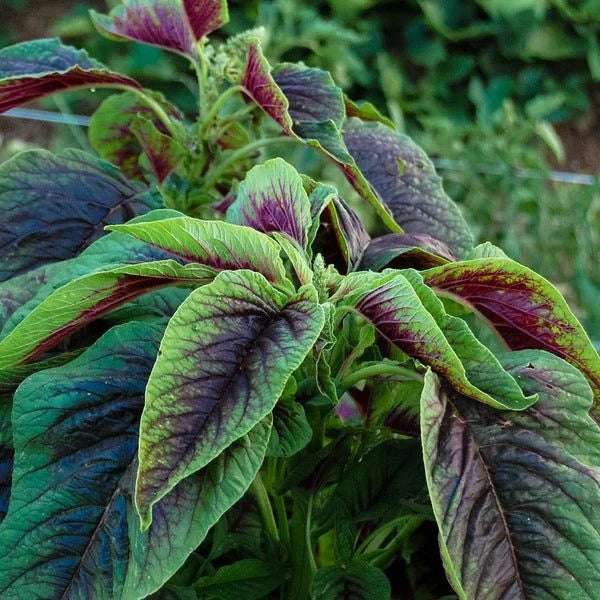
Chinese Spinach Red Calaloo (Amaranthus tricolor) is a fast-growing, heat-loving leafy vegetable grown mainly for its attractive green leaves marked with burgundy-red coloration. It is also known as Red Callaloo or Vegetable Amaranth.
The young leaves have a spinach-like flavor and can be used in salads or cooked in soups, stir-fries and other dishes. Amaranth is particularly useful in warm climates because it tolerates heat much better than many traditional spinach varieties.
🌱 Best Planting Time in the Gulf
Red Calaloo is a warm-season crop, so it can be grown during much of the warmer part of the year.
- Kuwait: March–May and September–October
- UAE, Qatar & Bahrain: September–May
- Saudi Arabia & Oman: September–May, depending on the region
- In the hottest areas, provide some afternoon protection during periods of extreme heat.
- Avoid sowing when temperatures are unusually cool, as germination and growth slow down.
🌱 How to Sow the Seeds
- Prepare loose, fertile and well-drained soil.
- Because the seeds are very small, sow them directly where they will grow whenever possible.
- Sow approximately 0.3–0.6 cm deep. A very thin covering of fine soil is sufficient.
- Keep the soil evenly moist until germination.
- Soil temperatures around 21–24°C are excellent for germination, although amaranth can germinate across a wider warm-temperature range.
- Germination can occur in approximately 4–10 days, although conditions and seed lots can vary.
- Once seedlings appear, provide plenty of sunlight.
🌿 Spacing
For plants grown for larger leaves:
- Thin seedlings to approximately 15–20 cm apart.
- For baby-leaf production, plants can be grown closer together.
- Allow more space if you want larger plants and repeated harvesting.
Red Calaloo can reach roughly 30–60 cm or more, particularly if allowed to mature and flower.
☀️ Sunlight
- Prefers full sun.
- Aim for around 6–8 hours of good sunlight.
- It tolerates Gulf heat very well.
- During periods of extreme summer heat, light afternoon shade can help prevent excessive stress, particularly for young plants.
Amaranth is naturally well adapted to warm conditions and can tolerate substantial heat once established.
💧 Watering
- Keep the soil consistently moist while seeds are germinating.
- After establishment, water when the upper soil begins to dry.
- Maintain more regular moisture when harvesting young, tender leaves.
- Avoid continuously saturated soil.
- Good drainage is especially important during humid or rainy periods.
Although amaranth is relatively heat and drought tolerant once established, adequate moisture generally produces more tender and productive foliage.
🌱 Soil
Use:
- Fertile, loose soil
- Good drainage
- Moderate organic matter
- Compost or well-rotted organic material
Avoid heavy, compacted soil that remains wet for long periods.
🌿 Fertilizing
Red Calaloo grows quickly and benefits from fertile soil.
- Add compost before planting.
- Use a balanced vegetable fertilizer if growth is weak.
- Avoid excessive nitrogen, particularly if plants are becoming very soft and leafy.
- Regular harvesting encourages continued production of young leaves.
🥬 Harvesting
You can begin harvesting young leaves relatively early.
- Young leaves are generally more tender and milder.
- Harvest individual leaves regularly, or cut the young plant as a whole for baby greens.
- Pinching or cutting the growing tips can encourage branching and production of additional young leaves.
- Some Red Callaloo types can be harvested around 30–40 days from sowing, while larger mature crops may take longer.
🪴 Growing in Containers
Red Calaloo grows well in containers.
Use:
- A container with good drainage holes
- Fertile vegetable-growing mix
- At least 20–30 cm depth for good root development
- A sunny location with some afternoon protection during extreme Gulf heat
Succession sowing every few weeks can provide a continuous supply of young leaves.
🌿 Gulf Climate Tips
- This is an excellent warm-season leafy vegetable for Gulf conditions.
- Sow directly because the tiny seedlings can be sensitive to root disturbance.
- Keep the seedbed moist during germination.
- Protect young seedlings from severe afternoon heat.
- Harvest young leaves regularly for the best texture.
- Maintain good airflow to reduce disease problems.
- Remove weeds while seedlings are small because young amaranth can initially grow slowly compared with established weeds.
- If you want to save seeds, allow some plants to flower and mature, then collect the dry seed heads. Different amaranth varieties can cross-pollinate, so separate varieties if maintaining seed purity.
🌱 Growing Tip: Red Calaloo is particularly suitable for the Gulf because it enjoys warm weather. For the tenderest leaves, make successive plantings and harvest the plants while they are still young rather than allowing every plant to become fully mature.
Share