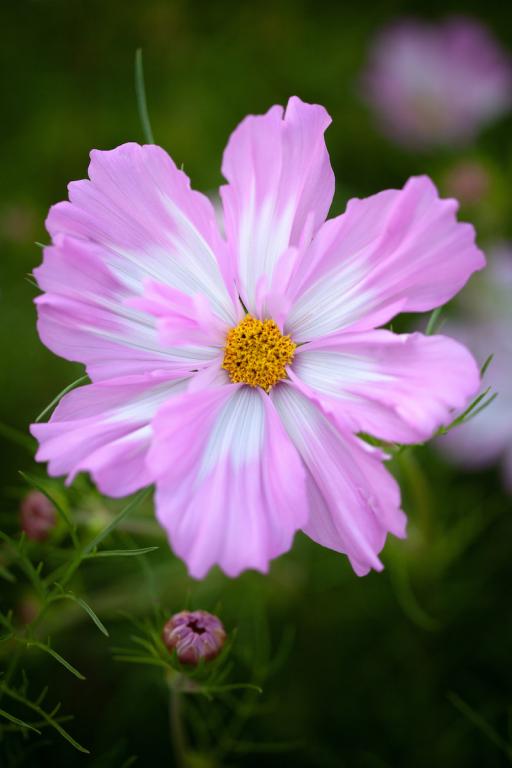

Cosmos bipinnatus 'Colletta Pink-White'
Cosmos bipinnatus 'Colletta Pink-White'
Couldn't load pickup availability
46 Seeds
Cosmos ‘Colletta Pink-White’ is a graceful flowering variety with delicate, daisy-like blooms in soft pink and white shades. Its finely divided, feathery green foliage and airy growth make it attractive in flower beds, borders, cottage-style gardens, and containers.
The plants are generally easy to grow and attract bees, butterflies, and other pollinators. They produce abundant flowers in suitable conditions and are excellent for adding a light, colourful look to the garden.
📅 Best Sowing Time
-
Gulf region: September–February.
-
Kuwait: October–December is generally best for autumn sowing; January–February can also work.
-
Avoid sowing during extreme summer heat.
-
For the best flowering, establish plants during the cooler months.
🌱 How to Sow the Seeds
-
Use a fine, loose, well-draining seed-starting mix.
-
Moisten the growing medium before sowing.
-
Sow seeds approximately 3–5 mm deep, or lightly cover them with a thin layer of soil.
-
Space seeds about 2–3 cm apart in seed trays.
-
Keep the growing medium lightly moist, but never waterlogged.
-
Place the tray in a bright, warm location with good air circulation.
-
Once seedlings have developed several true leaves, thin or transplant them carefully.
🌡️ Germination
-
Ideal temperature: 18–24°C.
-
Germination time: approximately 7–14 days.
-
Keep the medium evenly moist during germination.
-
Avoid excessive heat, which can reduce germination success.
-
Provide bright light once seedlings emerge.
🌿 Transplanting
Transplant seedlings when they are approximately 5–8 cm tall and have several true leaves.
-
Plant spacing: 25–40 cm.
-
Choose a sunny location with good drainage.
-
Harden seedlings gradually before moving them outdoors.
-
Avoid disturbing the roots more than necessary.
☀️ Sunlight
-
Full sun is best for abundant flowering.
-
Provide at least 6 hours of sunlight daily.
-
In Kuwait and other very hot Gulf locations, morning sun with light afternoon shade can help reduce heat stress.
-
Good airflow helps keep plants healthy.
💧 Watering
-
Water gently after sowing and transplanting.
-
Keep young seedlings lightly moist.
-
Once established, water when the top layer of soil begins to dry.
-
Avoid overwatering and waterlogged soil.
-
Water near the base of the plant rather than repeatedly wetting the foliage.
🌿 Soil
Cosmos grows well in loose, moderately fertile, well-draining soil. It can tolerate relatively poor soil once established.
Avoid excessively rich soil and heavy nitrogen feeding, as these can encourage leafy growth at the expense of flowers.
🌼 Fertilizing
-
Mix a little mature compost into the soil before planting.
-
Use a balanced fertilizer sparingly if the soil is poor.
-
Avoid excessive nitrogen.
-
Too much fertilizer can produce tall, leafy plants with fewer flowers.
🌸 Flowering and Maintenance
-
Flowering generally begins around 8–12 weeks after sowing, depending on growing conditions.
-
Regularly remove faded flowers to encourage continued blooming.
-
Taller plants may need light support in windy locations.
-
Allow a few flowers to mature and produce seeds if you wish to collect seeds for the next season.
-
Cosmos is generally grown as an annual in the Gulf.
🪴 Container Growing
-
Use a pot at least 20–25 cm deep with drainage holes.
-
Choose a container large enough for the plant’s mature size.
-
Use a loose, well-draining potting mix.
-
Place the pot where it receives morning sunlight and protection from extreme afternoon heat.
🔥 Special Tips for the Gulf Climate
-
Sow during the cooler months for stronger plants and better flowering.
-
Protect young seedlings from hot winds and intense afternoon sun.
-
Avoid overwatering, especially in humid coastal areas.
-
Provide enough spacing for good airflow.
-
Flowering may decline when temperatures become extremely high.
🌱 Growing Tip: For beautiful pink-and-white blooms in Kuwait, sow Cosmos ‘Colletta Pink-White’ in autumn, give it plenty of morning sunlight, and remove faded flowers regularly to encourage more blooms.
Share