

1
/
of
2
Cucumis Anguria - Maroon Cucumber
Cucumis Anguria - Maroon Cucumber
No reviews
Regular price
1.200 KWD
Regular price
1.400 KWD
Sale price
1.200 KWD
Shipping calculated at checkout.
Quantity
Couldn't load pickup availability
10 Seeds
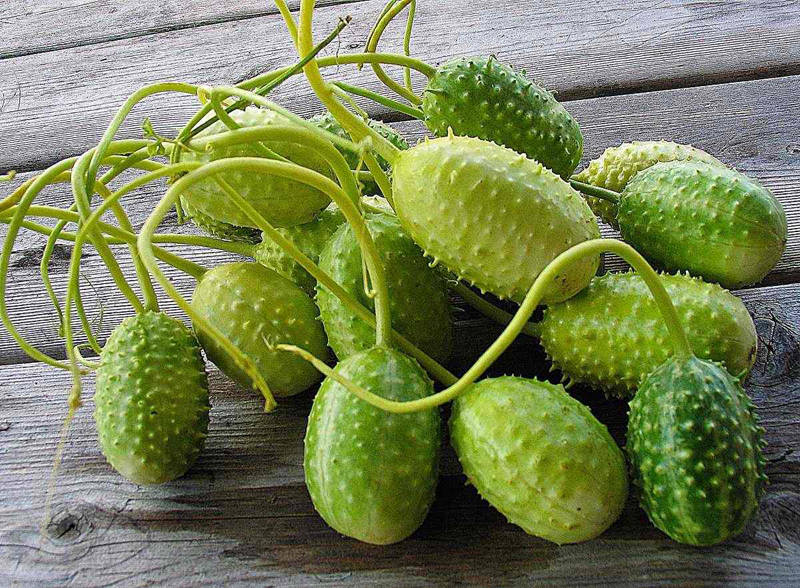
Cucumis anguria, commonly known as West Indian gherkin / burr cucumber, is a warm-season vine producing small, oval fruits with a textured or spiny skin. It is well suited to warm conditions, but in the Gulf it should be timed to avoid the most extreme summer temperatures.
🌱 Best Growing Season in the Gulf
- Best sowing time: September–November and February–March.
- Best outdoor growing period: October–April.
- Ideal growing temperature: 21–30°C.
- Avoid sowing during the peak of Gulf summer, when temperatures regularly exceed 35°C.
🌿 Seed Sowing
- Choose a sunny location with fertile, well-draining soil.
- Sow seeds directly into the ground or into individual pots.
- Plant seeds approximately 1.5–2.5 cm deep.
- Space plants about 60–90 cm apart.
- If growing in rows, leave approximately 1–1.5 m between rows.
- Water gently immediately after sowing.
- Keep the soil consistently moist until germination.
⏱ Germination
- Seeds generally germinate within 5–10 days under suitable conditions.
- Keep the seedbed warm and moist, but avoid waterlogging.
- Once seedlings emerge, provide strong sunlight.
🌱 Growing & Care
- Sunlight: Full sun, ideally 6–8 hours daily.
- Soil: Fertile, loose, well-drained soil enriched with compost.
- Watering: Water regularly, especially during flowering and fruit formation. Avoid letting the soil become completely dry.
- Fertilizing: Apply compost or a balanced vegetable fertilizer every 3–4 weeks during active growth.
- Support: The vines can spread along the ground, but a trellis or strong support can improve airflow and make harvesting easier.
- Mulch around the plants to conserve moisture and reduce soil temperature.
🌼 Flowering & Fruit Development
- Male and female flowers are produced on the same plant.
- Bees and other pollinating insects help with fruit production.
- Good pollination is especially important for producing well-shaped fruits.
🥒 Harvest
- Harvest fruits when they are young, firm, and still relatively small for tender eating.
- Pick regularly to encourage the plant to continue producing.
- Over-mature fruits become tougher and develop larger seeds.
🌡 Gulf Climate Tips
- Grow during the milder months, particularly autumn through spring.
- Provide afternoon shade if temperatures become unusually high.
- Use drip irrigation to deliver water directly to the root zone.
- Water early in the morning to reduce evaporation.
- Protect young vines from hot, dry winds.
- Ensure excellent drainage because excessive moisture around the roots can cause disease.
Share