
Dahlia- Rigoletto Mix
Dahlia- Rigoletto Mix
The Seed Collection
Country of origin: Australia
Couldn't load pickup availability
50 Seeds
About Dahlia – Rigoletto Mix
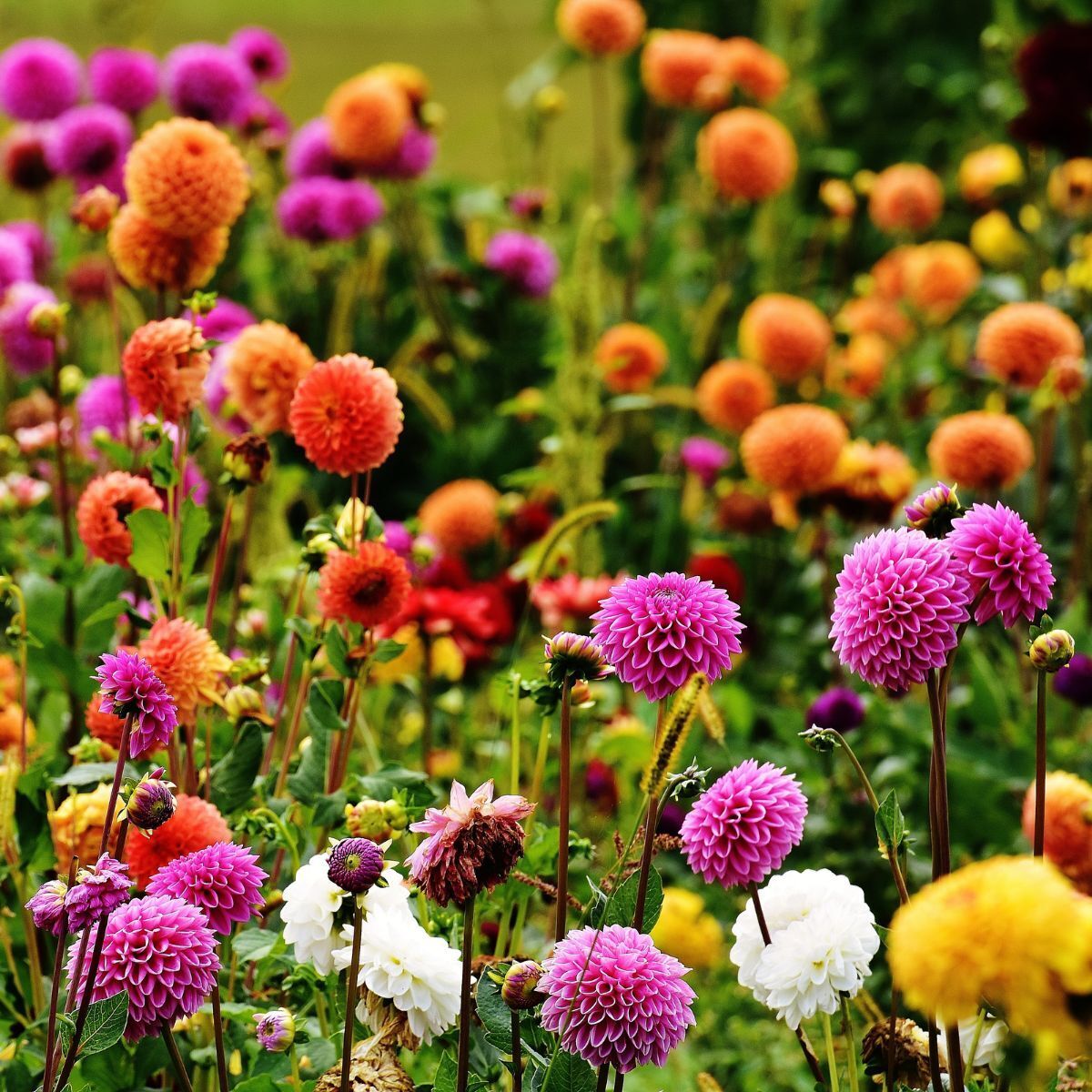
Dahlia Rigoletto Mix is a charming mixture of decorative dahlias known for their colourful, showy blooms. The plants produce attractive flowers in a variety of shades, which may include red, pink, yellow, orange, purple, and white, depending on the seed mixture.
With their abundant flowers and attractive appearance, these dahlias are suitable for garden beds, borders, and large containers. They also make lovely cut flowers for bouquets and floral arrangements.
Dahlias grown from seeds may vary in flower colour, size, shape, and plant height. Each plant can develop slightly different characteristics, making this mix a delightful choice for a colourful garden display.
Planting Instructions in the Gulf Region
1. Best Planting Time
-
In Kuwait, sow seeds from October to December, preferably in October or November.
-
In other Gulf countries, sow from September to December, depending on local temperatures.
-
Avoid sowing during the hottest summer months.
2. Sowing the Seeds
-
Use seed trays or small pots with drainage holes.
-
Fill them with a light, fertile, well-draining seed-starting mix.
-
Place the seeds on the soil surface and cover lightly with approximately 3–5 mm of fine soil.
-
Mist gently with water to moisten the growing medium.
-
Cover the tray with a transparent lid or plastic cover to maintain humidity, while allowing some ventilation.
3. Germination
-
Ideal germination temperature is approximately 18–22°C.
-
Seeds usually germinate within 7–14 days, although some may take longer.
-
Keep the growing medium slightly moist but never waterlogged.
-
Place the trays in a bright, warm location away from strong direct sunlight.
-
Remove the cover once the seedlings emerge.
4. Transplanting
-
Transplant seedlings when they have developed 2–3 sets of true leaves.
-
Gradually expose them to outdoor conditions over 5–7 days before transplanting.
-
Plant them at the same depth they were growing in their seed trays.
-
Allow approximately 45–60 cm between plants. Larger-growing plants may need 60–90 cm.
5. Sunlight and Location
-
Dahlias grow best with around 6 hours of sunlight daily.
-
In the Gulf, choose a location with gentle morning sunlight and partial afternoon shade.
-
Protect plants from intense midday sun, hot winds, and heat reflected from walls or paving.
6. Soil Requirements
-
Use fertile, loose, well-draining soil enriched with mature compost.
-
A suitable growing mixture can contain potting soil, compost, and perlite or coarse sand.
-
Good drainage is essential to prevent root rot and other moisture-related problems.
7. Watering
-
Keep the soil lightly moist during germination and early growth.
-
Once established, water deeply when the top 2–3 cm of soil becomes dry.
-
Increase watering during active growth and flowering, especially in warm weather.
-
Avoid overwatering and standing water around the roots.
8. Fertilizing
-
Begin feeding once seedlings are established and actively growing.
-
Apply a balanced liquid fertilizer at half strength every 2–3 weeks.
-
Use a fertilizer suitable for flowering plants as buds begin to form.
-
Avoid excessive nitrogen, which encourages leafy growth at the expense of flowers.
9. Flowering and Maintenance
-
Plants may begin flowering approximately 12–16 weeks after sowing, depending on growing conditions and variety.
-
Pinch the growing tip when plants reach approximately 25–30 cm to encourage branching and more flower stems.
-
Remove faded flowers regularly to encourage continued blooming.
-
Support taller plants with stakes if necessary.
10. Growing in Pots
-
Choose a pot at least 35–45 cm wide, with drainage holes.
-
Use fertile, well-draining potting soil.
-
Place the pot where it receives morning sunlight and afternoon shade.
-
Larger plants may require bigger containers and support stakes.
11. Summer Care in the Gulf
-
Dahlias prefer cool to mild growing conditions and may struggle during the extreme Gulf summer.
-
Protect plants from intense heat by providing afternoon shade and maintaining appropriate soil moisture.
-
Flowering may slow or stop when temperatures become too high.
-
Some plants may develop underground tubers. When the foliage naturally yellows and dries, reduce watering. Tubers can be lifted, dried in a shaded, ventilated place, and stored in a cool, dry location until the next suitable growing season.
Share