

Dwarf Dahlia Mix
Dwarf Dahlia Mix
Couldn't load pickup availability
10cm Pot
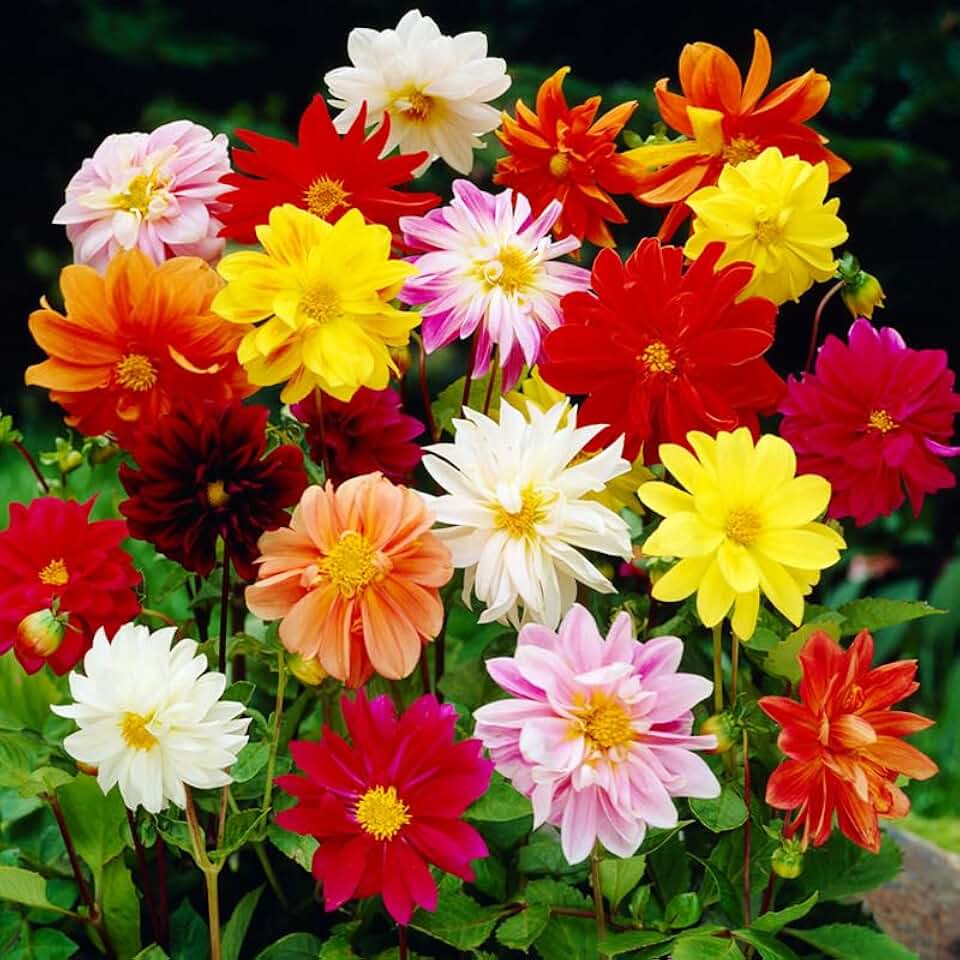
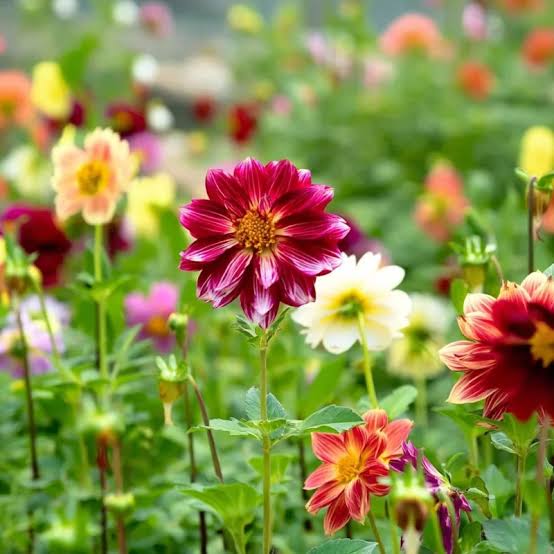
Dwarf Dahlia Mix is a colourful collection of compact dahlias that produce attractive flowers in a variety of colours, shapes, and patterns. Depending on the seed variety, blooms may include shades of red, pink, yellow, orange, white, purple, and burgundy.
These dahlias have bushy growth, attractive green foliage, and relatively short stems compared with taller dahlia varieties. They generally grow about 25–50 cm tall, depending on the variety and growing conditions.
Dwarf dahlias are ideal for garden borders, flower beds, patio containers, balcony pots, and decorative garden displays. Their colourful flowers also attract butterflies and other pollinators.
Note: Since this is a mixed variety, flower colours and forms may vary from one plant to another.
2. Best Planting Time in the Gulf Area
Dwarf dahlias prefer mild temperatures and grow best during the cooler months in the Gulf region.
-
Best planting period: October to February.
-
In Kuwait: October to December is generally suitable for planting established seedlings.
-
In warmer Gulf areas, planting can continue during the cooler winter months.
-
Avoid planting during peak summer heat, as excessive temperatures can stress young plants and affect flowering.
3. Seedling Planting Instructions
-
Choose a location that receives morning sunlight and has good air circulation.
-
Prepare the soil by loosening it and mixing in a little mature compost.
-
Dig a hole slightly wider than the seedling's root ball.
-
Carefully remove the seedling from its nursery container without damaging the roots.
-
Place it in the hole at approximately the same depth as it was growing in its original container.
-
Fill around the roots with soil and gently firm it.
-
Leave approximately 25–35 cm between plants to allow enough space for growth and airflow.
-
Water gently after planting to settle the soil around the roots.
4. Establishment and Early Growth
-
Keep the soil lightly moist during the first few weeks after transplanting.
-
Avoid letting the root area dry out completely while seedlings are establishing.
-
Protect young plants from strong winds and intense afternoon sunlight.
-
Once new growth appears, gradually follow a regular watering routine.
-
Avoid disturbing the roots unnecessarily.
5. Sunlight
Dwarf dahlias grow best in a sunny location.
-
Provide approximately 6 hours of sunlight daily.
-
Morning sunlight is particularly beneficial in the Gulf climate.
-
In very hot areas, provide light shade during the hottest afternoon hours.
-
Insufficient sunlight may result in weaker stems and fewer flowers.
6. Watering
-
Water thoroughly after planting.
-
During establishment, water when the upper layer of soil begins to dry.
-
Once plants are established, maintain consistent moisture without waterlogging.
-
Increase watering during hot or windy weather.
-
Water at the base of the plant rather than over the foliage when possible.
7. Soil Requirements
-
Use fertile, loose, well-draining soil.
-
A mixture of garden soil, compost, and coarse sand or another drainage-improving material can be suitable.
-
Avoid heavy clay soil that retains excessive moisture.
-
A slightly acidic to neutral soil is generally suitable.
-
Good drainage is essential to prevent root and tuber problems.
8. Fertilizing
-
Mix mature compost into the soil before planting.
-
After the seedlings become established, apply a balanced, diluted fertilizer occasionally.
-
During flowering, use a fertilizer with moderate nitrogen and adequate phosphorus and potassium.
-
Avoid excessive nitrogen, which encourages leafy growth and may reduce flowering.
-
Follow the fertilizer manufacturer's recommended application rate.
9. Flowering
-
Flowering period: Often begins around 8–12 weeks after planting established seedlings, depending on their age and growing conditions.
-
Produces a colourful mixture of flowers in different shades and forms.
-
Flowering is generally best during mild weather.
-
Regular removal of faded flowers encourages the plant to produce more blooms.
-
Flower colour and flower form may differ between individual plants.
10. Pruning and Maintenance
-
Remove faded flowers regularly to encourage continuous blooming.
-
Pinch the growing tips of young plants if you want a fuller, bushier shape.
-
Remove yellow or damaged leaves to maintain plant health.
-
Provide support if stems become weak or lean.
-
Check regularly for aphids, spider mites, and other common garden pests.
11. Growing in Containers
Dwarf dahlias are particularly suitable for pots and containers.
-
Choose a container at least 25–30 cm deep with drainage holes.
-
Use a fertile, well-draining potting mix.
-
Place the container where it receives good morning sunlight.
-
Water when the top layer of the potting mix begins to dry.
-
Avoid leaving water standing in the saucer beneath the pot.
-
Feed moderately during active growth and flowering.
12. Tips for Growing in the Gulf Area
-
Plant during autumn or winter to avoid extreme summer temperatures.
-
In Kuwait, autumn planting gives seedlings time to establish during the cooler season.
-
Protect newly transplanted seedlings from strong afternoon sun for the first few days.
-
Water early in the morning to reduce evaporation.
-
Ensure excellent drainage, especially in containers.
-
During unusually hot weather, provide temporary shade to reduce heat stress.
-
Remove faded flowers regularly to encourage further blooming.
13. Gardening Tip
For a fuller display, pinch the growing tips when the plants are young and remove faded flowers throughout the flowering season. Dwarf dahlias perform best when they receive plenty of morning sunlight, moderate feeding, and consistent moisture without waterlogging.
Suitable for: Kuwait, UAE, Saudi Arabia, Qatar, Bahrain, Oman, and other Gulf-region climates when planted during the cooler season.
Share