
1
/
of
1
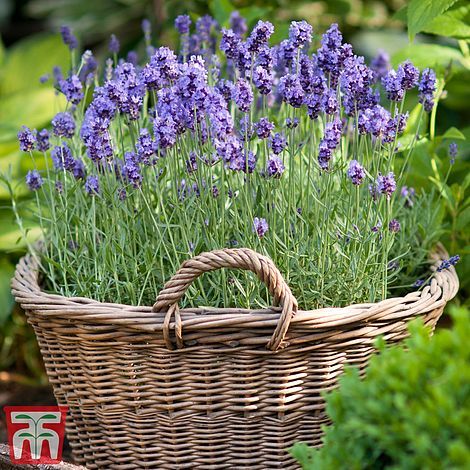
Dwarf English Lavender
Dwarf English Lavender
No reviews
Regular price
1.000 KWD
Regular price
1.250 KWD
Sale price
1.000 KWD
Shipping calculated at checkout.
Quantity
Couldn't load pickup availability
50 Seeds
English Lavender prefers cooler, dry conditions. In the Gulf, it can be grown successfully when started during the cooler season, with excellent drainage and protection from intense summer heat and humidity.
🇬🇧 English
🌱 Best Sowing Time
- Gulf: October–February.
- Kuwait: November–January is the preferred period for starting seeds.
- Avoid sowing outdoors during the extreme summer heat.
- Ideal germination temperature: approximately 18–22°C.
- Germination can be slow and irregular, so patience is important.
🌿 Seed Preparation
English Lavender seeds can benefit from cold stratification to improve germination.
- Place seeds in a slightly damp paper towel or sterile, lightly moist medium.
- Put them in a sealed bag or container.
- Refrigerate at approximately 3–5°C for 3–4 weeks.
- After stratification, sow immediately into the prepared growing medium.
- Do not freeze the seeds.
🌿 How to Sow
- Use a very light, gritty, well-drained seed-starting mix.
- Moisten the medium lightly before sowing.
- Sow seeds on the surface or approximately 0.2–0.5 cm deep.
- Cover only very lightly with fine soil or vermiculite.
- Water gently using a fine spray.
- Keep the medium slightly moist, never wet.
- Place the tray in a bright location with good airflow.
- Germination may take approximately 2–6 weeks, sometimes longer.
🌱 Transplanting
- Transplant when seedlings have developed several true leaves and are strong enough to handle.
- Harden seedlings gradually before planting outdoors.
- Space plants approximately 30–45 cm apart.
- Choose the permanent location carefully because lavender dislikes frequent root disturbance.
☀️ Growing & Care
- Sunlight: Full sun is ideal, preferably with good morning sunlight.
- In the Gulf, provide afternoon shade during extreme heat, particularly for young plants.
- Soil: Sandy, gritty, alkaline to neutral, and extremely well drained.
- Avoid heavy clay soils and areas where water collects.
- Water: Water moderately while establishing, then allow the soil to dry between waterings.
- Lavender is much more tolerant of dryness than constantly wet soil.
- Avoid overwatering.
- Provide good air circulation around the plant.
- A light application of compost is sufficient; avoid excessive fertilizer.
- Prune lightly after flowering to maintain a compact shape, but avoid cutting deeply into old woody stems.
🌸 Flowering
- Seed-grown English Lavender may take several months to more than a year to reach strong flowering, depending on growing conditions.
- Flowering is generally better once the plant becomes established.
- The dwarf form is particularly suitable for containers, borders, herb gardens, and small spaces.
🌡 Gulf Climate Tips
- In Kuwait, start seeds indoors or in a protected growing area during November–January.
- Once established, provide plenty of morning sunlight but protect young plants from intense afternoon heat.
- During very hot weather, 30–50% afternoon shade can reduce heat stress.
- Avoid high humidity and poor airflow around the foliage.
- Use raised beds or containers if native soil drains poorly.
- Water in the early morning and avoid frequent light watering.
- Protect plants from hot reflected heat from walls, concrete, and paving.
- Summer survival is much better when the root zone remains cool, dry, and well drained.
Tip: The most important factor for English Lavender in the Gulf is excellent drainage. Overwatering is often more damaging than underwatering. For Kuwait, start seeds during the cool season and gradually acclimate the plants to outdoor conditions.
Share