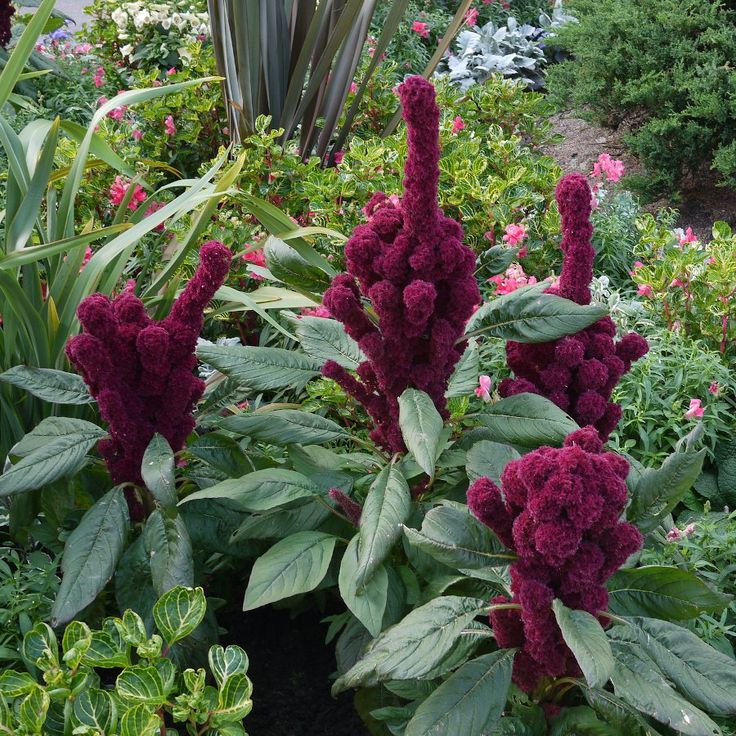

Elephant Head Amaranth (Amaranthus gangeticus)
Elephant Head Amaranth (Amaranthus gangeticus)
Couldn't load pickup availability
25 Seeds
Elephant Head Amaranth (Amaranthus gangeticus) is an attractive warm-season annual grown for its colorful foliage and striking flower clusters. Depending on the variety, the foliage can range from green to red, burgundy, purple, or bronze.
The plant grows quickly in warm weather and can add strong color to flower beds, borders, and containers. In the Gulf, it performs best during the warm but not extremely hot part of the growing season.
🌱 Best Sowing Time
- Gulf Area: September–April
- Kuwait: October–March
- UAE & Qatar: September–April
- Saudi Arabia & Bahrain: September–April
- Oman: September–April
- Best period for Kuwait: October–February
Avoid starting young seedlings during the most extreme summer heat.
🌿 How to Sow
- Fill a seed tray or small pots with a light, fertile, well-draining seed mix.
- Scatter the small seeds over the soil surface.
- Cover with only about 2–3 mm of fine soil.
- Mist gently so the seeds are not displaced.
- Keep the soil evenly and lightly moist.
- Place the tray in a warm, bright location with good airflow.
- Avoid waterlogging.
🌡️ Germination
- Temperature: Approximately 20–30°C
- Germination: Usually 5–14 days
- Germination is generally faster under warm conditions.
- Temperatures above about 32–35°C can make germination and early growth more difficult.
🌱 Seedling Care
After germination:
- Provide strong light.
- Give gentle morning sunlight.
- Protect young seedlings from intense afternoon heat.
- Water when the surface begins to dry.
- Provide good ventilation.
- Thin crowded seedlings to prevent weak, stretched growth.
🌿 Transplanting
Transplant when seedlings have several true leaves and are strong enough to handle outdoor conditions.
- Space plants approximately 25–40 cm apart, depending on the variety.
- Harden seedlings gradually before planting outdoors.
- Choose a container with good drainage if growing in pots.
- Transplant during the cooler part of the day.
☀️ Sunlight
- Prefers full sun to partial shade.
- Aim for around 5–8 hours of good light.
- Morning sun is particularly useful in the Gulf.
- During extreme heat, provide light afternoon shade.
- Container-grown plants may need more protection because pots heat up quickly.
💧 Watering
- Keep soil evenly moist while seeds are germinating.
- Once established, water deeply when the upper layer begins to dry.
- Increase watering during hot, dry weather.
- Avoid keeping the roots continuously wet.
- Good drainage is especially important during humid Gulf weather.
🌱 Soil
Use a fertile, loose, well-draining soil.
A suitable container mix can include:
- Quality potting soil
- Aged compost
- Perlite or pumice
- A small amount of coarse sand
Amaranth tolerates a range of soils but grows more vigorously when supplied with adequate nutrients and drainage.
🌿 Fertilizing
- Apply a light balanced fertilizer after the seedlings are established.
- Feed periodically during active growth if the plants appear pale or slow.
- Avoid excessive nitrogen, which can produce excessive leafy growth and weaker stems.
- A balanced fertilizer with adequate potassium can support attractive foliage and flowering.
🌸 Flowering & Appearance
Elephant Head Amaranth develops colorful foliage and distinctive flower clusters. The exact flower and leaf colors depend on the cultivar.
The plant can make an attractive seasonal display in containers, borders, and mixed flower beds.
🔥 Gulf Climate Tips
- Sow during the warm-to-moderate season rather than the peak of summer.
- Protect young plants when temperatures become extremely high.
- Provide morning sun and afternoon protection during heatwaves.
- Use mulch to help keep the root zone cooler and reduce moisture loss.
- Avoid placing containers on very hot concrete or metal.
- Ensure excellent drainage during humid weather.
- Provide good airflow to reduce fungal problems.
🌱 Growing Tip: In Kuwait, start Elephant Head Amaranth from October to February for the best chance of strong growth. Keep the seeds shallow, provide warm conditions and bright light, and protect young plants from the strongest afternoon heat.
Share