
1
/
of
1
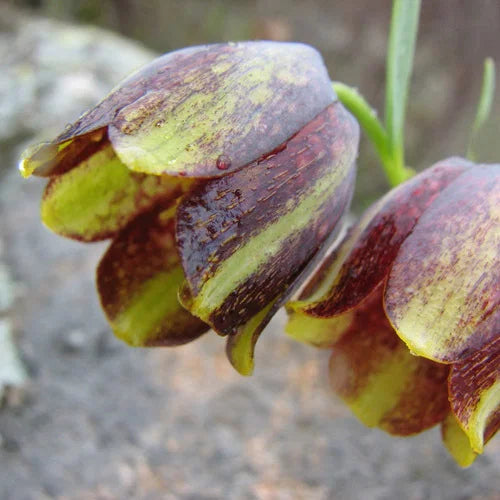
Fritillaria Crassifolia Subsp Kurdica
Fritillaria Crassifolia Subsp Kurdica
No reviews
Regular price
2.250 KWD
Regular price
Sale price
2.250 KWD
Shipping calculated at checkout.
Quantity
Couldn't load pickup availability
10 Seeds
🌱 Best Sowing Time
- Gulf: October–December.
- Kuwait: November is a good starting point.
- Sow as temperatures begin to cool.
- Avoid sowing during the hot summer months.
- Seeds generally benefit from a cool, moist period before germination.
- Germination may occur slowly and can take several months or longer.
🌿 How to Sow the Seeds
- Use a very well-drained, gritty seed mix.
- A suitable mix can contain fine compost or seed compost combined with perlite, coarse sand, or fine grit.
- Moisten the medium before sowing.
- Sow the seeds approximately 0.5–1 cm deep.
- Cover lightly with fine grit or soil.
- Water gently.
- Keep the medium slightly moist but never saturated.
- Place the container outdoors or in a cool, shaded-to-bright location during the Gulf's cooler season.
- Protect the container from heavy rain and excessive moisture.
- Do not discard the seed tray if there is no immediate germination; Fritillaria can be slow and irregular.
❄️ Cool Period
- A cool period is important for successful germination.
- In the Gulf, natural winter temperatures may sometimes be sufficient, but refrigerated cold treatment may be useful when winter temperatures remain too warm.
- Keep seeds cool and moist rather than warm and wet.
- Avoid freezing the seeds.
🌱 Seedling Development
- Newly germinated seedlings are very small and delicate.
- Keep them in bright, indirect light.
- Avoid intense Gulf sunlight.
- Maintain moderate moisture.
- Do not allow seedlings to remain waterlogged.
- Allow the growing medium to become slightly drier between watering as seedlings mature.
- Young plants may require more than one season before developing a substantial bulb.
🌸 Growing & Care
- Light: Bright light; gentle morning sun is preferable.
- Protect from intense afternoon sun.
- Soil: Gritty, loose, humus-containing, and extremely well drained.
- Water: Moderate during active growth.
- Reduce watering as the foliage begins to yellow and the plant enters dormancy.
- Keep dormant bulbs relatively dry.
- Avoid high-nitrogen fertilizers.
- A very light, balanced fertilizer can be used during active growth if necessary.
🌷 Flowering
- Established plants generally flower in spring.
- Seed-grown plants may require several years before flowering.
- Do not expect first-year flowering from newly germinated seedlings.
- Allow foliage to remain intact after flowering so the plant can replenish its underground bulb.
🌡 Gulf Climate Tips
- Kuwait: November is a practical time to sow, with the seedlings grown through the cooler months.
- Protect pots from direct afternoon sun and reflected heat from walls or paving.
- Use terracotta or other well-drained containers with drainage holes.
- Raised containers can improve drainage.
- Avoid placing pots where they remain hot throughout the day.
- During the warm spring period, provide approximately 50% shade if temperatures rise sharply.
- As summer approaches and the plant becomes dormant, reduce watering considerably.
- Keep dormant containers in a cool, dry, shaded location.
- Summer heat is the greatest challenge for this species in the Gulf.
Tip: This is a specialist plant for Gulf conditions. The most important factors are a cool growing period, excellent drainage, careful moisture control, and protection from summer heat.
Share