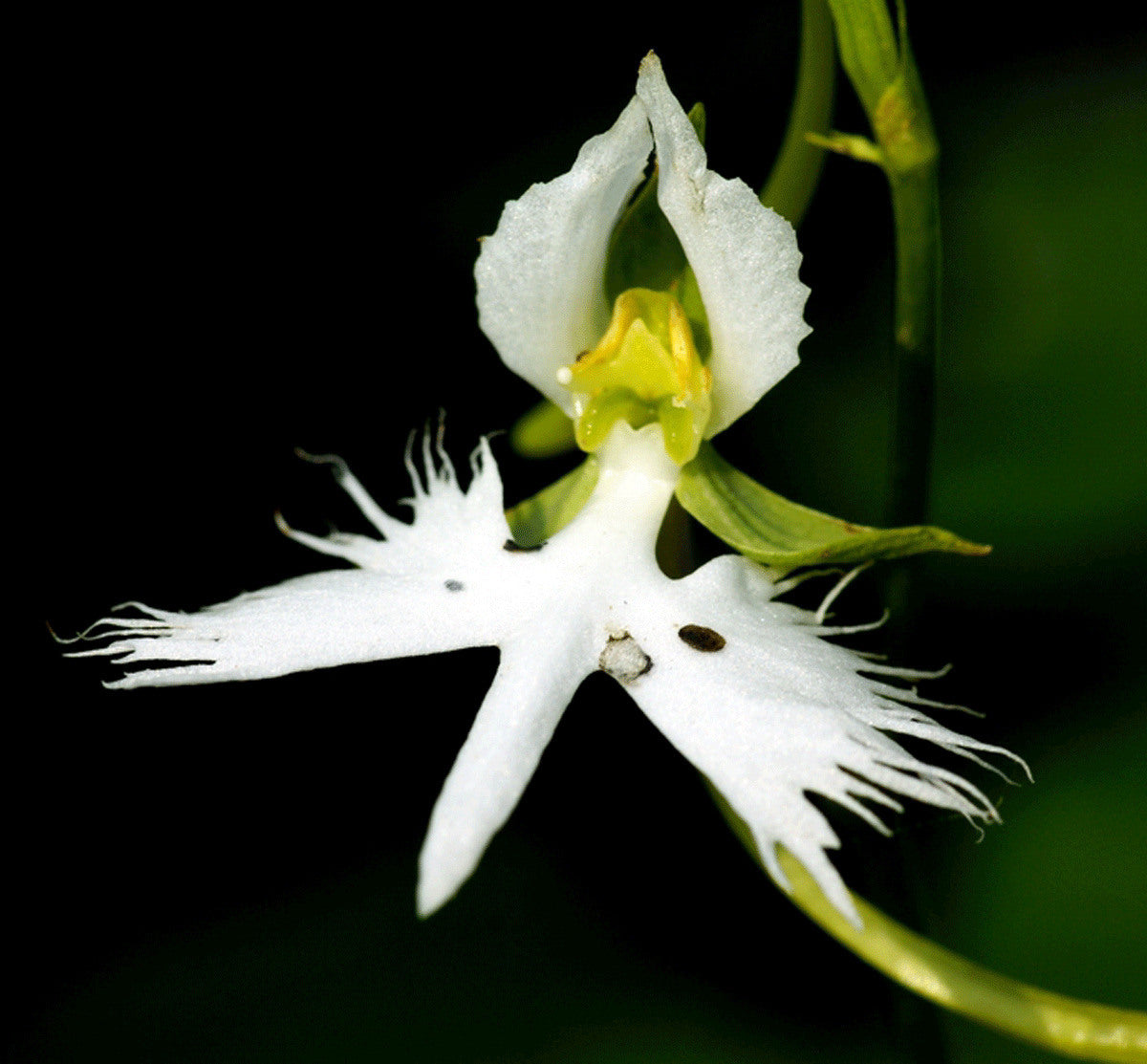

Habenaria radiata
Habenaria radiata
Couldn't load pickup availability
10 seeds
How to Propagate Habenaria radiata
-
Timing for the Gulf Region
-
Because this is a cool-season terrestrial orchid that naturally grows in moist, temperate habitats, it is challenging in a Gulf climate (high heat, aridity).
-
Ideally start seeds or tubers in late autumn or early winter (≈ October to December) when temperatures are milder (day ~15-25 °C).
-
Avoid sowing seeds outdoors during the hot months (April–September) as extreme heat and dryness will hinder growth.
-
-
Medium & Conditions
-
The orchid prefers a moist, well-drained, slightly acidic substrate rich in humus, akin to bog or seepage soil.
-
A recommended mix: fine sphagnum moss or peat + sand or fine bark to ensure drainage, yet retain moisture.
-
Keep the medium consistently moist (but not water-logged) while active growth is occurring.
-
-
Seed Sowing / Propagation
-
Seeds of H. radiata require very specific methods (often in vitro), and germination in regular potting may be difficult.
-
If you have a tuber (rather than seed) you may plant lightly: tuber just below or at soil surface in moisture-retentive yet airy medium.
-
Maintain cooler conditions during the initial growth phase; avoid high heat until plant is well established.
-
-
Light & Temperature
-
Provide bright light but avoid direct intense midday sun, especially in the Gulf climate.
-
Ideally daytime around 18-22 °C for propagation; once established, day temperatures below ~30 °C are safer.
-
Good ventilation and stable humidity help reduce stress.
-
-
Growth & Dormancy
-
After growth and flowering, the plant may enter dormancy; reduce watering accordingly during dormancy to avoid rot.
-
When active, keep medium moist; during dormancy, allow slight drying.
-
-
Notes for Gulf Region Success
-
Because of the climate, growing this orchid may require controlled conditions (shaded greenhouse, misting, cooling) rather than direct outdoor full-sun cultivation.
-
Use filtered sunlight, keep humidity moderate, avoid midday heat stress.
-
Monitor soil moisture carefully — avoid extremes of dryness or saturation.
-
Be patient: orchids like this may take time to bloom; the original study found germination followed by one to two years before flowering.
-
Share