

1
/
of
3
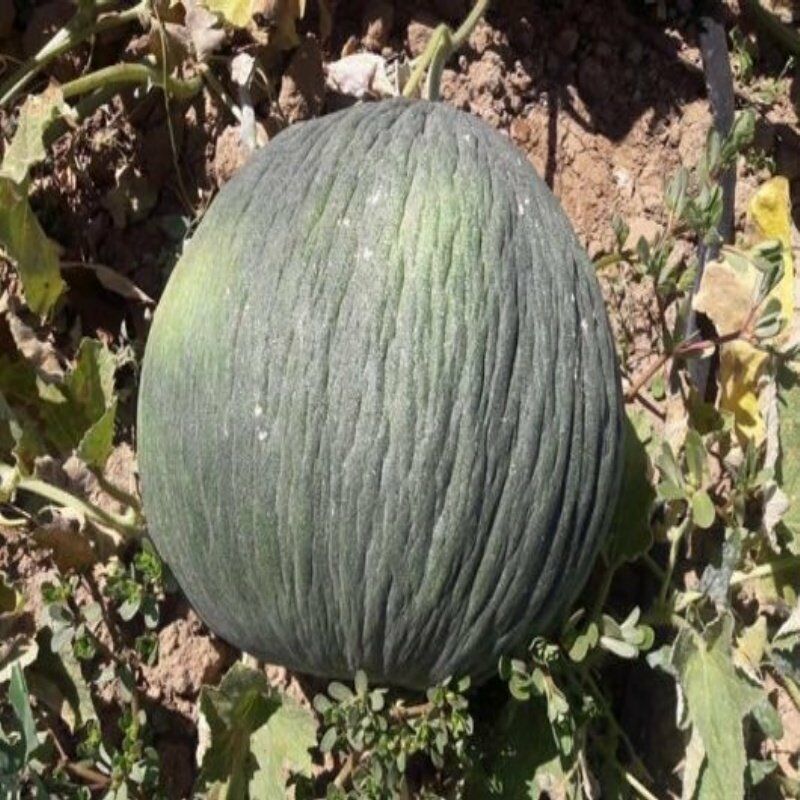
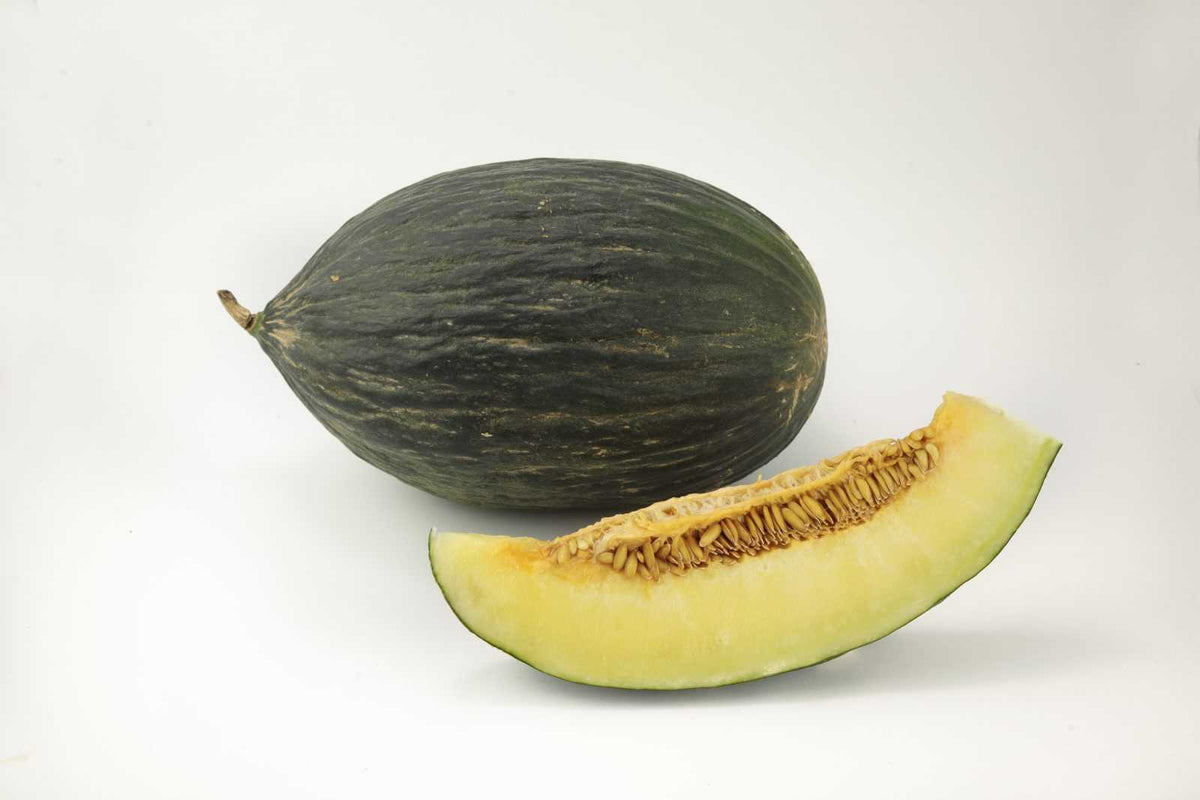
Hasanbey Melon
Hasanbey Melon
No reviews
Regular price
1.000 KWD
Regular price
1.250 KWD
Sale price
1.000 KWD
Shipping calculated at checkout.
Quantity
Couldn't load pickup availability
25 Seeds
Hasanbey Melon is a traditional Turkish heirloom melon known for its sweet, fragrant flesh, crisp texture, and excellent keeping quality. It is well suited to warm climates and performs very well in the Gulf when grown during the cooler growing season.
Best Planting Time
- February to April (Spring crop)
- August to October (Autumn/Winter crop – recommended)
- Avoid sowing during periods of extreme heat above 40°C.
Seed Preparation
- Soak seeds in lukewarm water for 6–12 hours before sowing.
- No cold stratification is required.
Soil Preparation
Use fertile, loose, well-drained sandy loam rich in organic matter.
Recommended mix:
- 40% Garden soil
- 30% Compost
- 20% Coco peat
- 10% Perlite or coarse sand
Ideal soil pH:
- 6.0–7.2
Sowing Method
- Sow directly into the garden or in seed trays.
- Plant seeds 2–3 cm deep.
- Sow 2–3 seeds per planting hole, then thin to the strongest seedling.
Temperature & Light
- Ideal germination temperature: 25–30°C
- Ideal growing temperature: 22–35°C
- Requires 6–8 hours or more of full sunlight daily.
Watering
- Keep soil consistently moist during germination.
- Water deeply 2–3 times per week, depending on weather and soil.
- Reduce watering slightly as fruits mature to improve sweetness.
- Avoid wetting the leaves to reduce fungal diseases.
Germination Time
- Seeds usually germinate within:
- 4–10 days
Transplanting
- If started in trays, transplant when seedlings have 2–3 true leaves.
- Space plants:
- 60–90 cm apart.
- Space rows:
- 1.5–2 meters apart.
Harvesting
- Fruits are usually ready:
- 80–95 days after sowing
- Harvest when:
- The rind reaches its mature color.
- A pleasant sweet aroma develops.
- The stem begins to crack or separates easily from the fruit.
Gulf Climate Tips
- August–October is generally the best sowing period for most Gulf countries.
- Apply organic mulch to conserve moisture and keep roots cool.
- Fertilize every 2–3 weeks with a balanced fertilizer, switching to a potassium-rich fertilizer during flowering and fruit development.
- Trellising is possible in small gardens; support developing fruits with slings or nets.
- Protect young plants from strong winds, sandstorms, and extreme heat.
Share