
Herb Sage - Salvia officinalis
Herb Sage - Salvia officinalis
Happy Green Shop
Country of origin: United Kingdom
Couldn't load pickup availability
100 seeds
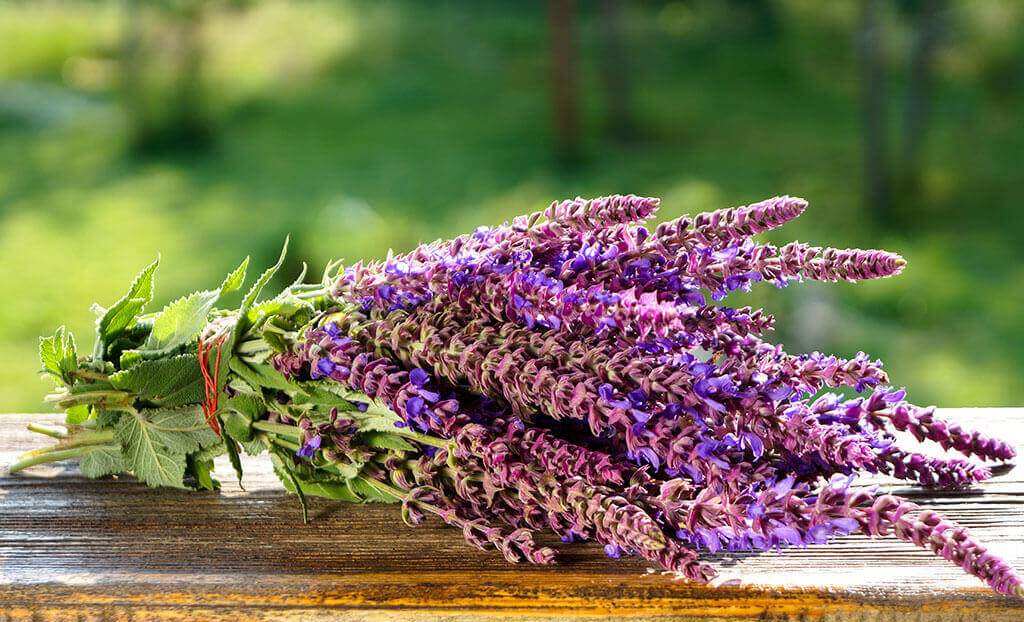
Herb Sage (Salvia officinalis) is a fragrant, evergreen Mediterranean herb with soft, grey-green aromatic leaves and attractive blue-purple flowers. It is widely used as a culinary herb, both fresh and dried, and can also be used for herbal tea. The flowers are attractive to bees and other pollinators.
Sage is well suited to warm climates once established. It prefers full sun, light soil and excellent drainage and is relatively drought tolerant. It dislikes heavy, constantly wet soil.
🌱 Best Planting Time
- Gulf region: September–April
- Kuwait: October–March
- Best period in Kuwait: October–November and February–March
- In the hottest Gulf areas, autumn and late winter are preferable.
- Avoid starting seedlings outdoors during the peak summer heat.
🌿 How to Plant the Seeds
- Use a fine, loose, well-draining seed-starting mix.
- Moisten the growing medium before sowing.
- Sow the seeds shallowly, approximately 2–5 mm deep.
- Cover lightly with fine compost.
- Keep the medium evenly moist but never waterlogged.
- Place the seed tray in a warm, bright location with good ventilation.
- Once seedlings develop several true leaves, transplant them into individual pots.
- Harden the seedlings gradually before planting them outdoors. RHS recommends sowing sage indoors in spring and keeping young plants warm and bright while they develop.
🌡️ Germination
- Suitable temperature: approximately 18–22°C
- Germination: usually around 2 weeks, although some seeds can take longer.
- Keep the seed mix moist but not saturated.
- Avoid excessive humidity and poor ventilation, which can encourage damping-off problems.
🌱 Transplanting
Transplant when the seedlings are well established.
- Plant spacing: approximately 30–45 cm
- Choose a sunny location with excellent drainage.
- Do not plant too deeply; cover the roots while keeping the base of the plant at approximately its original soil level.
- Harden young plants gradually before exposing them to strong Gulf sunlight.
☀️ Sunlight
- Full sun is ideal.
- Aim for around 6 hours or more of sunlight.
- In the Gulf, morning sun is excellent for young plants.
- During periods of extreme heat, light afternoon shade can help protect young seedlings.
- Established sage generally performs well in sunny, warm locations.
💧 Watering
- Keep the soil lightly and evenly moist during germination.
- Water regularly while young plants are establishing.
- Once established, allow the soil to dry somewhat between waterings.
- Avoid frequent shallow watering and constantly wet soil.
- Reduce watering during cooler periods and when growth slows.
- Excellent drainage is more important than keeping sage continuously wet.
🌱 Soil
Sage prefers light, well-drained soil.
- Sandy loam or light loam is suitable.
- Add compost in moderation.
- Perlite, pumice or coarse grit can improve drainage in containers.
- Neutral to slightly alkaline soil is suitable.
- Avoid heavy clay or areas where water remains around the roots.
🌿 Fertilizing
- Sage does not require heavy feeding.
- Add a moderate amount of mature compost before planting.
- Use a mild balanced fertilizer only when necessary.
- Avoid excessive nitrogen, which can encourage soft leafy growth and reduce the concentration of aromatic oils.
- Light feeding is generally sufficient for established plants.
🌿 Harvesting
Sage can be harvested once the plants are well established.
- Pick young leaves and tender shoots as needed.
- Harvesting regularly encourages bushier growth.
- For strong flavor, harvest leaves before or around the beginning of flowering.
- Sage leaves can be used fresh or dried.
- To dry, place sprigs in a warm, dark and well-ventilated location until completely dry.
🌸 Flowering
Established sage can produce attractive blue to purple flowers, generally during the warmer growing season.
The flowers are useful in ornamental herb gardens and are attractive to bees and other pollinating insects.
🪴 Growing in Containers
Sage is excellent for container growing.
- Use a container at least 30 cm wide and 30 cm deep for a long-term plant.
- Make sure the container has several drainage holes.
- Use quality potting mix with perlite, pumice or horticultural grit.
- Place the container in a sunny location.
- In Kuwait and other very hot Gulf areas, containers make it easier to move plants into afternoon shade during extreme heat.
✂️ Pruning
- Regular harvesting naturally helps maintain a compact shape.
- Remove spent flower stems when flowering finishes.
- Light pruning encourages fresh, bushy growth.
- Avoid repeatedly cutting deep into old, woody stems.
🔥 Gulf Climate Tips
- Grow sage during the cooler and milder part of the Gulf growing season.
- October–November is particularly suitable for establishing plants in Kuwait.
- A second planting can be started around February–March.
- Protect young seedlings from intense afternoon heat.
- Use very well-drained soil and avoid excessive irrigation.
- Good airflow is important, particularly in humid coastal Gulf areas.
- Container growing is highly useful because plants can be moved to a cooler, sheltered position during extreme heat.
- Once established, sage is relatively drought tolerant and generally needs less water than many soft-leaved herbs.
🌱 Growing Tip: For the best results in the Gulf, sow Herb Sage during the cooler season, give the seedlings bright light and excellent drainage, and gradually reduce watering once the plants become established. Avoid excessive summer heat, humidity and overwatering.
Share