
Hot Chilli Pepper 'Habanero'
Hot Chilli Pepper 'Habanero'
Happy Green Shop
Country of origin: United Kingdom
Couldn't load pickup availability
30 Seeds
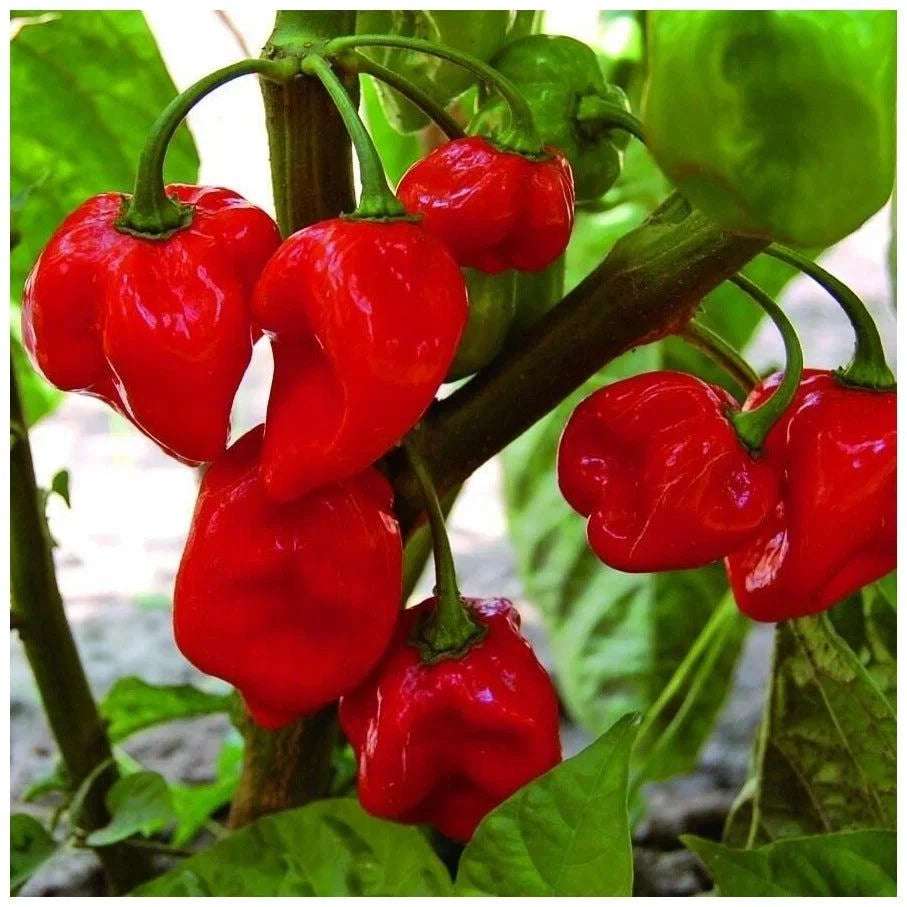
Habanero is a very hot chilli pepper known for its distinctive fruity aroma and intense heat. The plants are bushy and can produce numerous small, wrinkled fruits that may mature from green to orange, red, yellow, brown or other colors depending on the particular Habanero strain. Habanero is commonly grown in containers, gardens and protected growing areas.
🌱 Best Planting Time
- Gulf region: September–April
- Kuwait: September–November and February–April
- Best period in Kuwait: October–November and late February–March
- In very hot Gulf areas, autumn and late winter are preferable.
- Avoid establishing young plants during the peak summer heat.
🌿 How to Plant the Seeds
- Use seed trays, small pots or individual seed cells.
- Fill them with a fine, fertile and well-draining seed-starting mix.
- Moisten the growing medium before sowing.
- Sow the seeds approximately 0.5–1 cm deep.
- Cover lightly with fine growing medium.
- Keep the soil evenly moist but never waterlogged.
- Place the tray in a warm, bright location.
- Once seedlings appear, provide strong light and good ventilation.
- When seedlings develop several true leaves, transplant them into individual pots.
- Harden seedlings gradually before moving them into their final outdoor position. Chilli peppers need warmth to germinate and generally perform best in warm, sunny conditions.
🌡️ Germination
- Ideal temperature: approximately 21–25°C
- Germination time: usually around 7–21 days, sometimes longer
- Keep temperatures as consistent as possible.
- Do not allow the seed-starting mix to dry completely.
- Avoid excessive watering and poor ventilation.
RHS recommends around 21°C for chilli seed germination, while trial growing used approximately 23–25°C bottom heat.
🌱 Transplanting
Transplant when the seedlings are strong and have several true leaves.
- Plant spacing: 40–50 cm
- Row spacing: approximately 60–90 cm
- Choose a sunny, sheltered location.
- Water the seedlings before transplanting.
- Transplant during the cooler part of the day.
- A small support stake can be useful when plants become heavily loaded with fruit.
Chilli peppers generally grow well in containers and fertile, well-drained soil, with approximately 38–45 cm spacing suitable for many varieties.
☀️ Sunlight
- Full sun is ideal.
- Aim for approximately 6–8 hours of sunlight daily.
- Morning sun is especially useful in the Gulf.
- During extreme heat, provide light afternoon shade.
- Avoid placing containers on extremely hot paving or concrete.
Good light is important for chilli growth and fruit production, while temperatures above about 30°C can reduce production.
💧 Watering
- Keep the soil evenly moist during germination and early growth.
- Water deeply when the upper layer begins to dry.
- Increase watering during flowering and fruit development.
- Avoid constantly saturated soil.
- Mulching can help reduce evaporation and keep the root zone cooler.
- Try to avoid large fluctuations between severe dryness and excessive moisture.
Chillies need a steady moisture supply to grow and crop well.
🌱 Soil
Use fertile, loose and well-draining soil.
- Sandy loam or fertile loam is suitable.
- Add mature compost before planting.
- In containers, combine quality potting mix with compost and perlite or pumice.
- Avoid compacted soil and areas where water collects.
- Good drainage is particularly important in humid Gulf conditions.
🌿 Fertilizing
- Add mature compost before planting.
- Use a balanced vegetable fertilizer during early growth.
- Once the first fruits have set, use a fertilizer with relatively higher potassium to support fruit production.
- Avoid excessive nitrogen, which can encourage leafy growth at the expense of fruiting.
- Feed moderately and regularly rather than applying excessive fertilizer at once.
🌶️ Flowering & Fruiting
Habanero plants produce small, intensely hot fruits. Fruit color and shape can vary according to the particular Habanero strain. Fruits can be harvested green or allowed to mature fully to their characteristic ripe color.
Very high temperatures can interfere with flowering and fruit production. For Gulf growing, it is therefore preferable to have the main flowering and fruiting period during the milder months.
🪴 Growing in Containers
Habanero is particularly suitable for container growing.
- Use a container of approximately 15–20 litres or larger per plant.
- Choose a deep pot with several drainage holes.
- Use rich, well-draining potting mix.
- Place the container in full morning sun.
- Move it to light afternoon shade during extreme heat.
- A support stake may be useful if the plant becomes heavily loaded with peppers.
✂️ Harvesting
- Harvest fruits when they reach the desired size and maturity.
- Green fruits can be harvested earlier.
- Allow fruits to mature fully for their characteristic ripe color and flavor.
- Use scissors or pruning shears to remove fruits without damaging branches.
- Wear gloves when harvesting Habanero peppers.
- Avoid touching your eyes, nose or face after handling the fruits.
- Wash hands and tools thoroughly after harvesting.
Habanero fruits are very hot and can cause significant skin and eye irritation. The RHS specifically recommends protective equipment when handling Habanero Group plants.
🐛 Common Pests
Watch for:
- Aphids
- Whiteflies
- Spider mites
- Thrips
- Caterpillars
Regular inspection, good airflow and avoiding overcrowding can help reduce pest problems.
🔥 Gulf Climate Tips
- Start seeds in a warm, protected location.
- In Kuwait, October–November is a useful autumn planting period.
- A second crop can be started around late February–March.
- Protect young plants from intense afternoon heat.
- Try to avoid the main flowering period during the hottest summer weeks.
- Maintain consistent moisture while plants are flowering and fruiting.
- Provide good airflow, particularly in humid coastal areas.
- Container growing is useful because plants can be moved into afternoon shade or a more protected location.
- Temperatures above approximately 30°C can reduce fruit production, so some afternoon shade and ventilation can be valuable during Gulf heat.
🌱 Growing Tip: For the best results in the Gulf, sow Habanero seeds during the cooler growing season, keep the seeds warm and evenly moist during germination, and protect flowering plants from extreme afternoon heat. Good sunlight, fertile soil, consistent watering and moderate feeding will help produce a strong crop.
Share