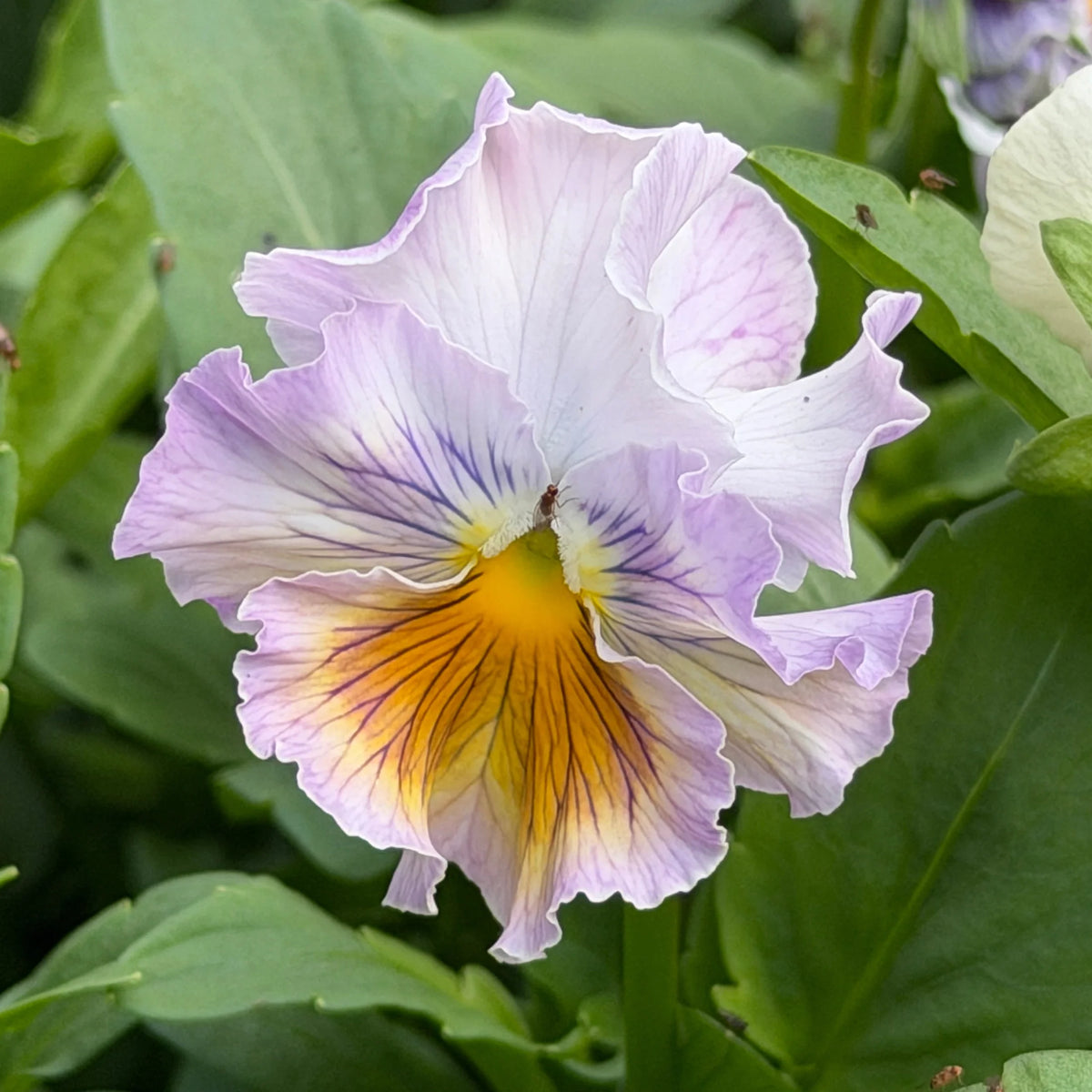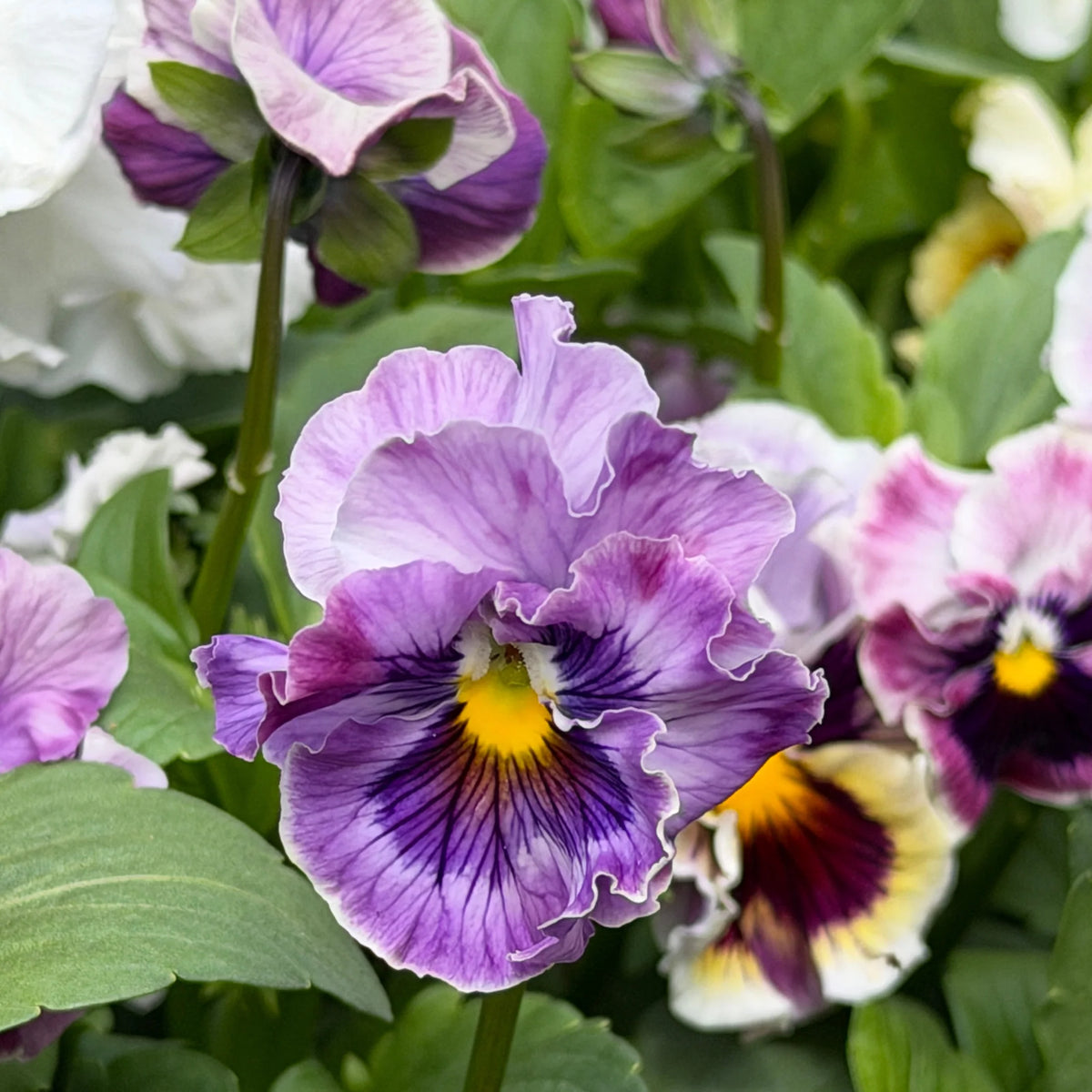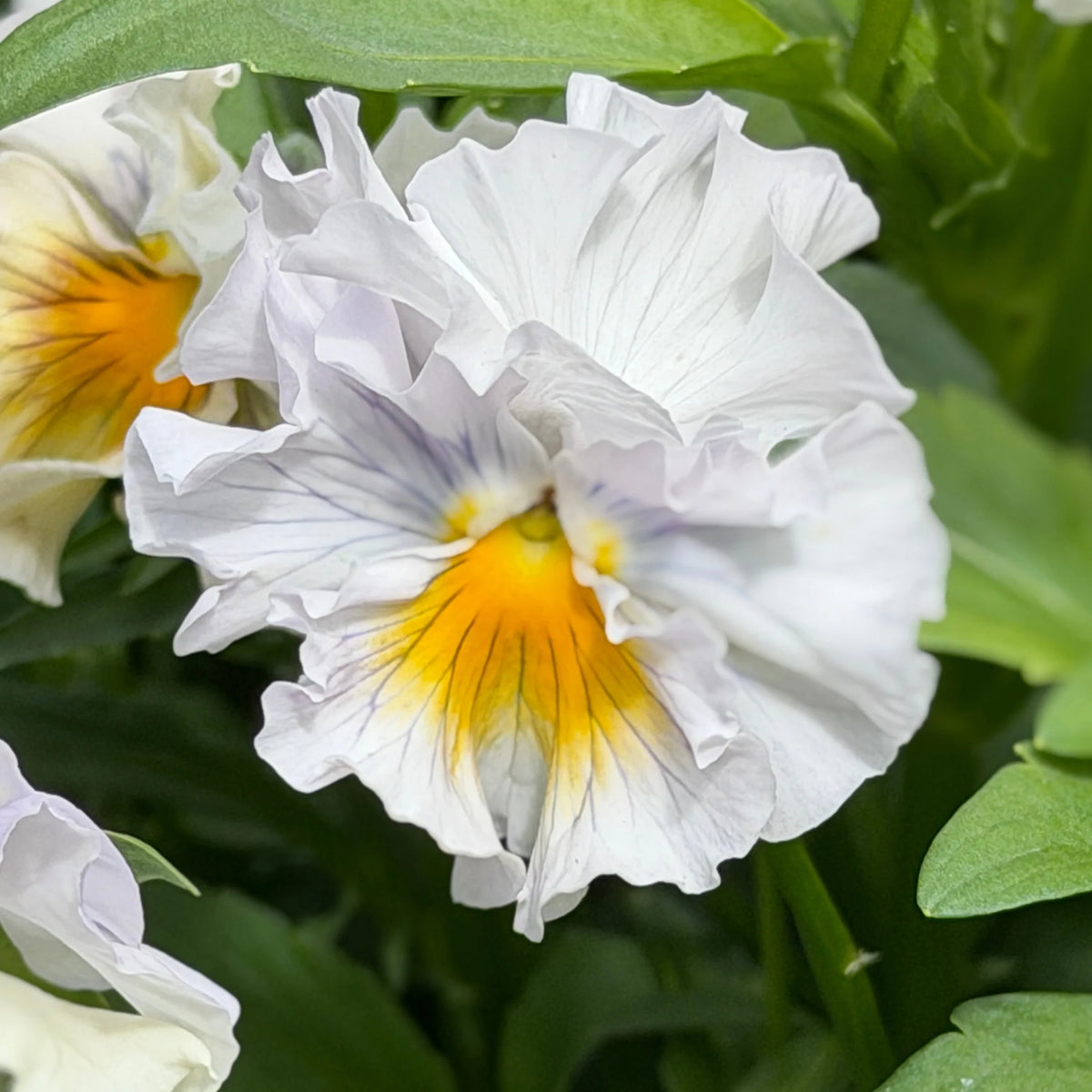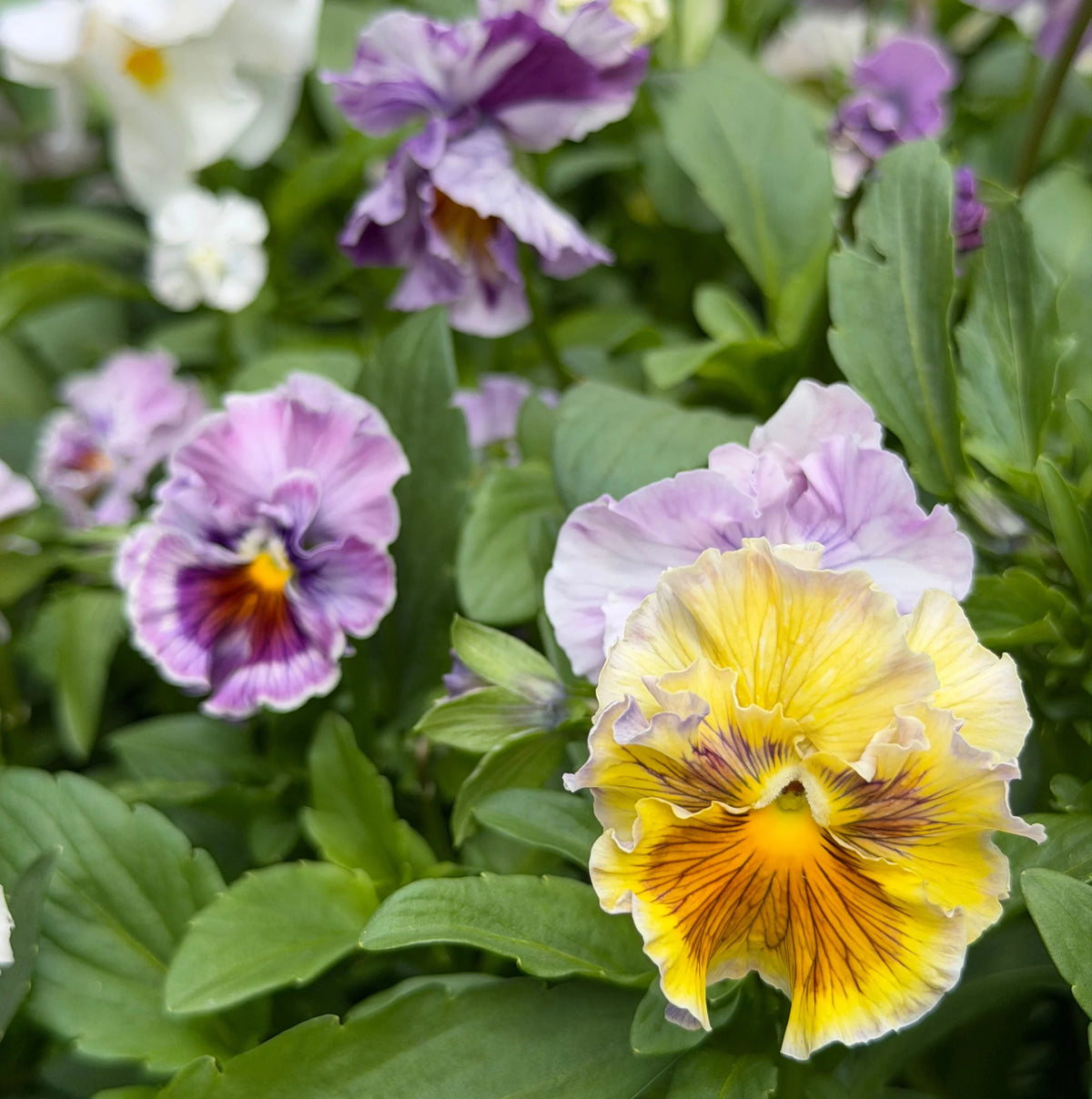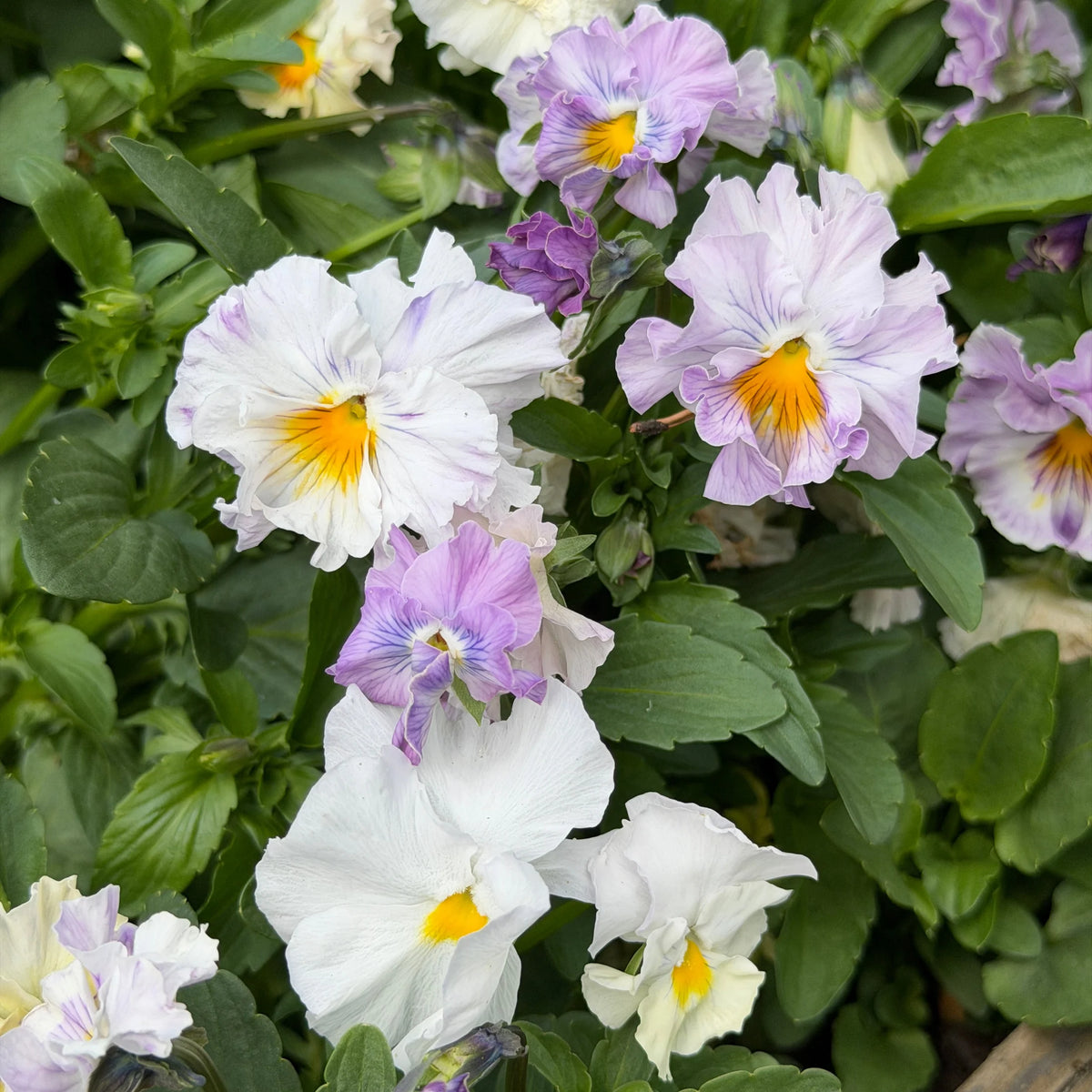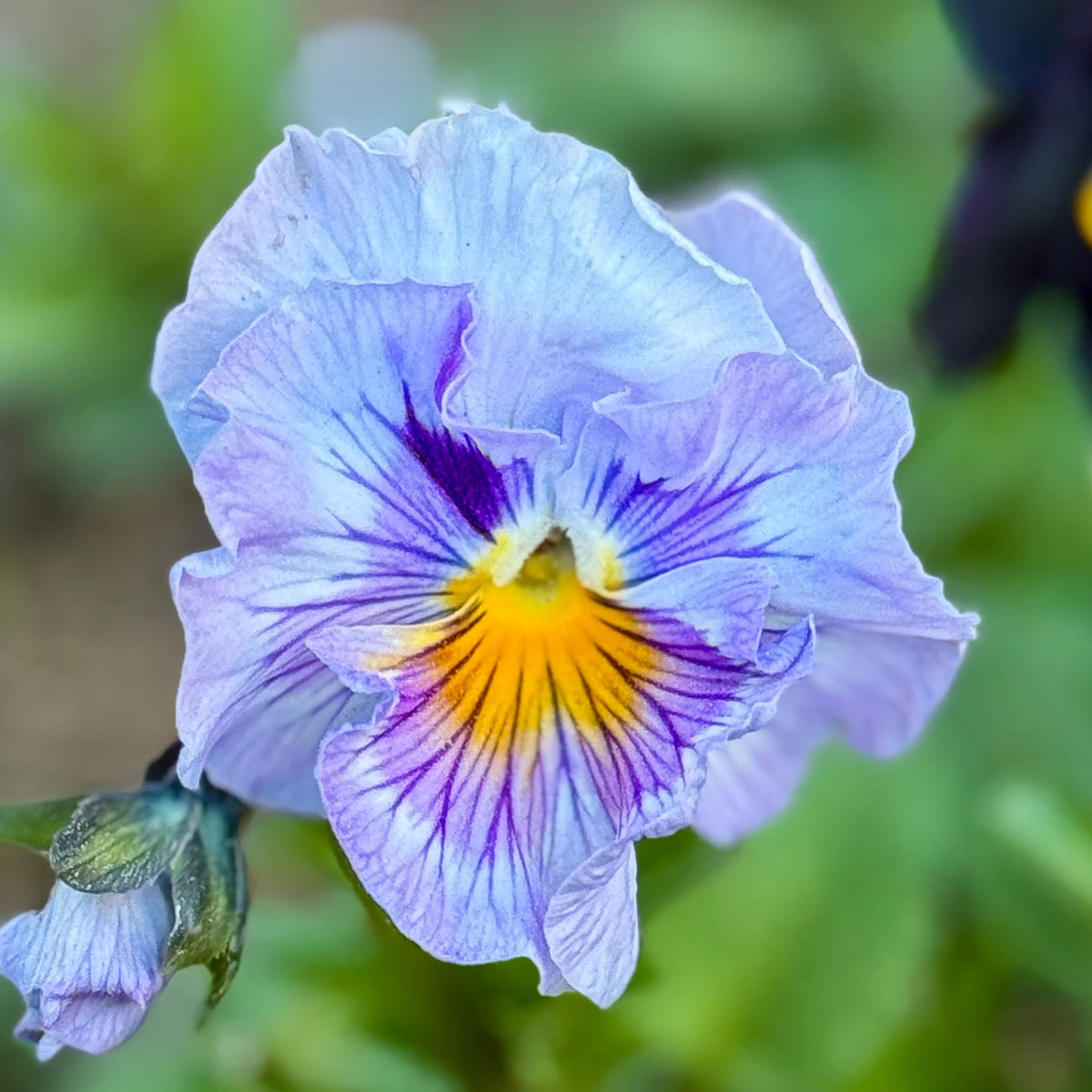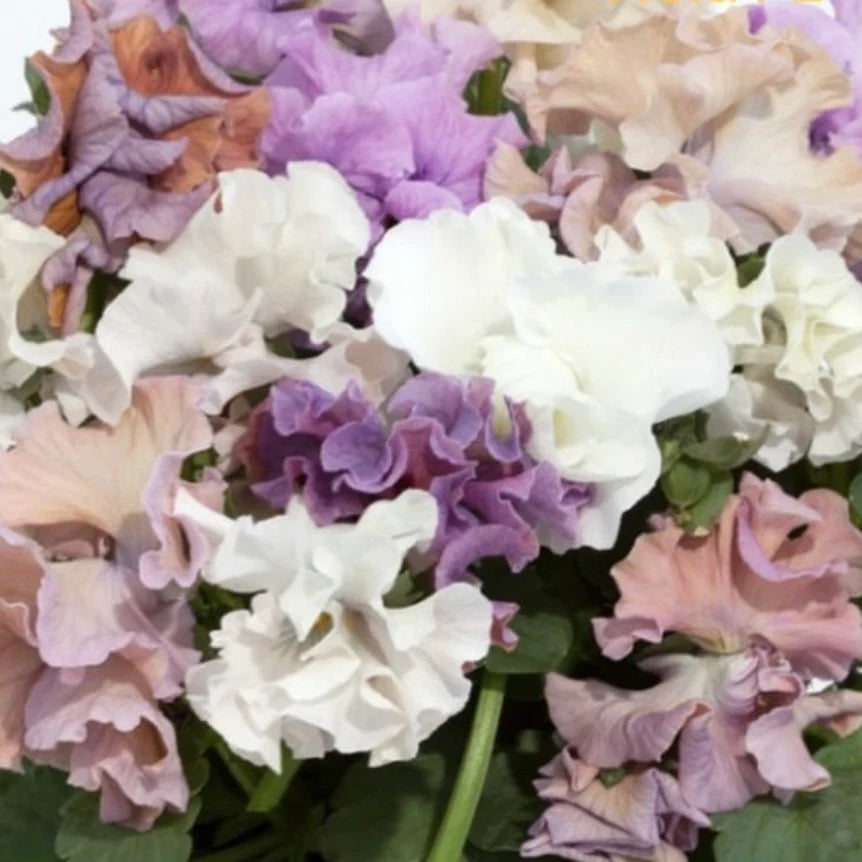


Italian Pansy 'Sweet Pea Mixed'
Italian Pansy 'Sweet Pea Mixed'
Southern Highlands
Country of origin: Australia
Couldn't load pickup availability
25 Seeds
1. About the Plant
Italian Pansy ‘Sweet Pea Mixed’ is an ornamental flowering variety of pansy (Viola × wittrockiana), grown for its colourful, attractive blooms in a mixture of shades. The flowers bring a cheerful appearance to garden beds, borders, pots and window boxes.
Pansies are cool-season flowering plants. They grow best in mild temperatures and are particularly suitable for winter and early-spring displays in the Gulf region. They are sensitive to extreme heat and may decline when summer temperatures rise.
2. Best Sowing Time in the Gulf Area
-
Kuwait: September to November is generally suitable for starting seeds, with October being a good choice.
-
Other Gulf countries: September to December, depending on local temperatures.
-
Sow early enough to allow seedlings to establish before the coolest part of winter.
-
Avoid starting seeds outdoors during periods of intense heat.
3. Seed Sowing Instructions
-
Fill a seed tray or small pots with a fine, sterile, well-drained seed-starting mix.
-
Moisten the growing medium before sowing.
-
Scatter the seeds evenly over the surface, leaving a little space between them.
-
Cover with a very thin layer of fine compost or vermiculite, approximately 2–3 mm deep. Pansy seeds germinate best in darkness.
-
Water gently using a fine spray to avoid displacing the seeds.
-
Cover the tray with a clear lid or plastic to maintain humidity, while allowing some ventilation.
-
Keep the medium consistently moist but never waterlogged.
4. Germination
-
Ideal temperature: Approximately 15–20°C.
-
Germination time: Usually 10–20 days, sometimes longer depending on conditions.
-
Keep the seed tray in a cool, shaded location during germination.
-
Once seedlings emerge, remove the cover and provide bright, indirect light.
-
Avoid exposing young seedlings to direct midday sunlight.
5. Transplanting Seedlings
When seedlings develop 2–3 true leaves and are large enough to handle:
-
Carefully transplant each seedling into an individual small pot.
-
Hold seedlings by their leaves rather than their delicate stems.
-
Use a light, fertile and well-drained potting mix.
-
Water gently and keep the soil lightly moist while the roots establish.
-
Transplant outdoors when the seedlings are strong and the weather is cool.
Leave approximately 15–20 cm between plants in garden beds to allow room for healthy growth and air circulation.
6. Sunlight
Pansies prefer bright light and cool growing conditions.
In the Gulf:
-
Provide gentle morning sunlight.
-
Give plants partial shade during the afternoon.
-
Protect them from intense midday sun and hot, dry winds.
-
Around 4–6 hours of mild sunlight daily is generally suitable.
7. Watering
-
Keep the growing medium evenly moist during germination.
-
Water seedlings gently to avoid damaging their roots.
-
Once established, water when the top layer of soil begins to dry.
-
Avoid excessive watering and standing water, which can cause root rot.
-
Water near the soil rather than directly over the flowers whenever possible.
8. Soil Requirements
Italian pansies grow best in fertile, loose and well-drained soil rich in organic matter.
A suitable growing mix can contain:
-
40% quality garden soil or potting soil.
-
30% mature compost.
-
20% perlite or coarse sand.
-
10% coco peat.
The soil should retain enough moisture for healthy growth while allowing excess water to drain freely.
9. Fertilizing
-
Add a small amount of mature compost to the soil before transplanting.
-
Once seedlings are established, apply a balanced liquid fertilizer at half strength every 2–3 weeks.
-
Avoid excessive nitrogen, which encourages leafy growth at the expense of flowers.
-
Reduce fertilizing if plants become stressed by rising temperatures.
10. Flowering
Under suitable cool conditions, plants generally begin flowering approximately 10–14 weeks after sowing, depending on growing conditions.
‘Sweet Pea Mixed’ produces flowers in a mixture of colours, making it attractive for mixed flower displays. The main flowering period in the Gulf is usually winter and early spring.
Remove faded flowers regularly to encourage further blooming and maintain a neat appearance.
11. Pruning and Maintenance
-
Remove faded flowers and damaged leaves regularly.
-
Pinch back weak or stretched growth if necessary to encourage a compact shape.
-
Maintain good spacing and air circulation.
-
Monitor for aphids, slugs, snails and fungal diseases.
-
Avoid keeping foliage continuously wet, especially in humid conditions.
12. Growing in Containers
Italian Pansy ‘Sweet Pea Mixed’ is well suited to pots, window boxes and decorative containers.
-
Choose a container with drainage holes.
-
Use a fertile, moisture-retentive but well-drained potting mix.
-
Allow approximately 15–20 cm between plants.
-
Place containers in a bright location with morning sunlight and afternoon shade.
-
Check soil moisture regularly, as containers can dry out quickly in Gulf weather.
13. Tips for Growing in the Gulf Area
-
Start seeds during the cooler part of autumn.
-
Germinate seeds in a cool place, ideally around 15–20°C.
-
Protect young plants from strong sunlight and hot winds.
-
Provide afternoon shade as temperatures rise.
-
Keep the soil moist but never saturated.
-
Enjoy the main flowering period during winter and early spring, as pansies generally struggle with extreme Gulf summer heat.
Suitable for: Kuwait, Saudi Arabia, UAE, Qatar, Bahrain and Oman, particularly for winter and early-spring flowering.
Share