
1
/
of
1
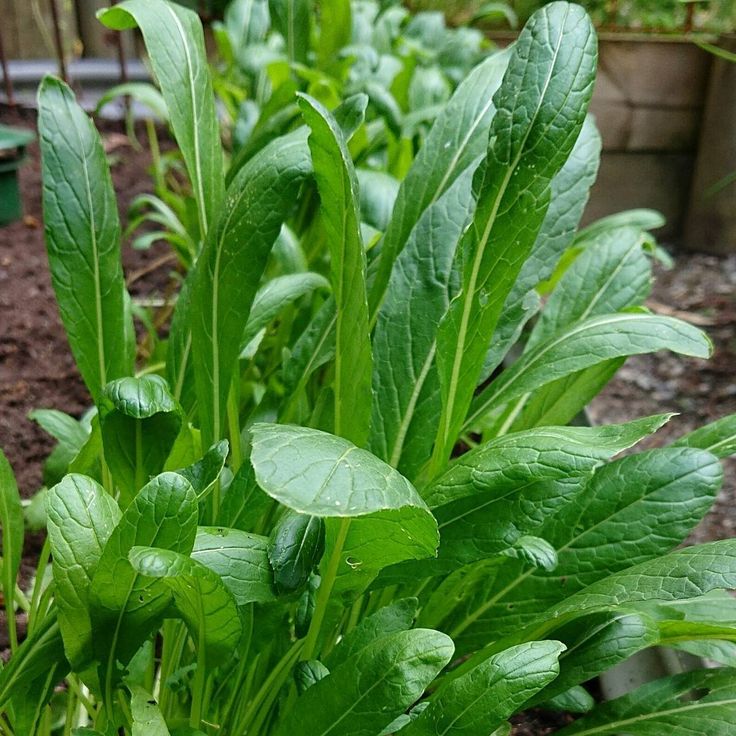
Japanese Mibuna Kale
Japanese Mibuna Kale
No reviews
Regular price
1.100 KWD
Regular price
1.300 KWD
Sale price
1.100 KWD
Shipping calculated at checkout.
Quantity
Couldn't load pickup availability
100 Seeds
Japanese Mibuna Kale is a fast-growing Japanese leafy vegetable with slender, dark-green leaves and a mild, slightly mustard-like flavor. It is a cool-season crop, so in the Gulf it should be grown mainly during autumn, winter, and early spring.
🌱 Best Growing Season
- Best sowing time: October–January.
- In milder Gulf areas, sowing can continue through February.
- A September sowing is possible if temperatures have already started to decrease.
- Avoid: Late spring and summer, especially during extreme heat.
- Ideal germination temperature: 15–25°C.
🌿 Seed Sowing
- Choose a location with fertile, loose, well-drained soil.
- Sow seeds directly in garden beds, raised beds, containers, or seed trays.
- Sow seeds approximately 0.5–1 cm deep.
- Cover lightly with fine soil.
- For mature plants, thin to approximately 15–25 cm apart.
- Leave around 25–35 cm between rows.
- Water gently after sowing.
- Keep the soil evenly moist until germination.
⏱ Germination
- Seeds generally germinate within 4–10 days under suitable conditions.
- Keep the seedbed consistently moist but never waterlogged.
- Once seedlings emerge, provide good light and airflow.
- Thin crowded seedlings early to encourage healthy growth.
🌱 Growing & Care
- Sunlight: Full sun during the cooler months. Provide light afternoon shade when temperatures begin to rise.
- Soil: Fertile, organic-rich, moisture-retentive but well-drained soil.
- Watering: Maintain consistent moisture, particularly during leaf development. Avoid allowing the soil to dry completely.
- Fertilizing: Add compost before planting. A mild balanced fertilizer can be applied every 3–4 weeks during active growth if needed.
- Keep the planting area free from weeds.
- Good airflow helps reduce fungal problems, especially in humid coastal Gulf areas.
🥬 Harvest
- Baby leaves can usually be harvested approximately 20–30 days after sowing.
- For larger leaves, allow the plants to grow for approximately 35–50 days.
- Harvest the outer leaves first and allow the center to continue producing new leaves.
- Mibuna can also be cut above the base for a larger harvest, allowing regrowth when conditions remain cool.
- Regular harvesting encourages continuous production.
🌡 Gulf Climate Tips
- In Kuwait and the hottest Gulf regions, November–January is particularly suitable.
- Provide afternoon shade when temperatures rise above the preferred cool-season range.
- High temperatures can cause Mibuna to bolt (flower) quickly and may make the leaves stronger or more bitter.
- Use a light mulch layer to keep the root zone cooler and reduce evaporation.
- Drip irrigation is recommended.
- Water early in the morning.
- Protect young plants from hot, dry winds.
- For continuous harvest, sow a new batch every 2–3 weeks during the cool season.
Share