
1
/
of
1
Jarrahdale Pumpkin
Jarrahdale Pumpkin
No reviews
Regular price
1.000 KWD
Regular price
Sale price
1.000 KWD
Shipping calculated at checkout.
Quantity
Couldn't load pickup availability
10 Seeds
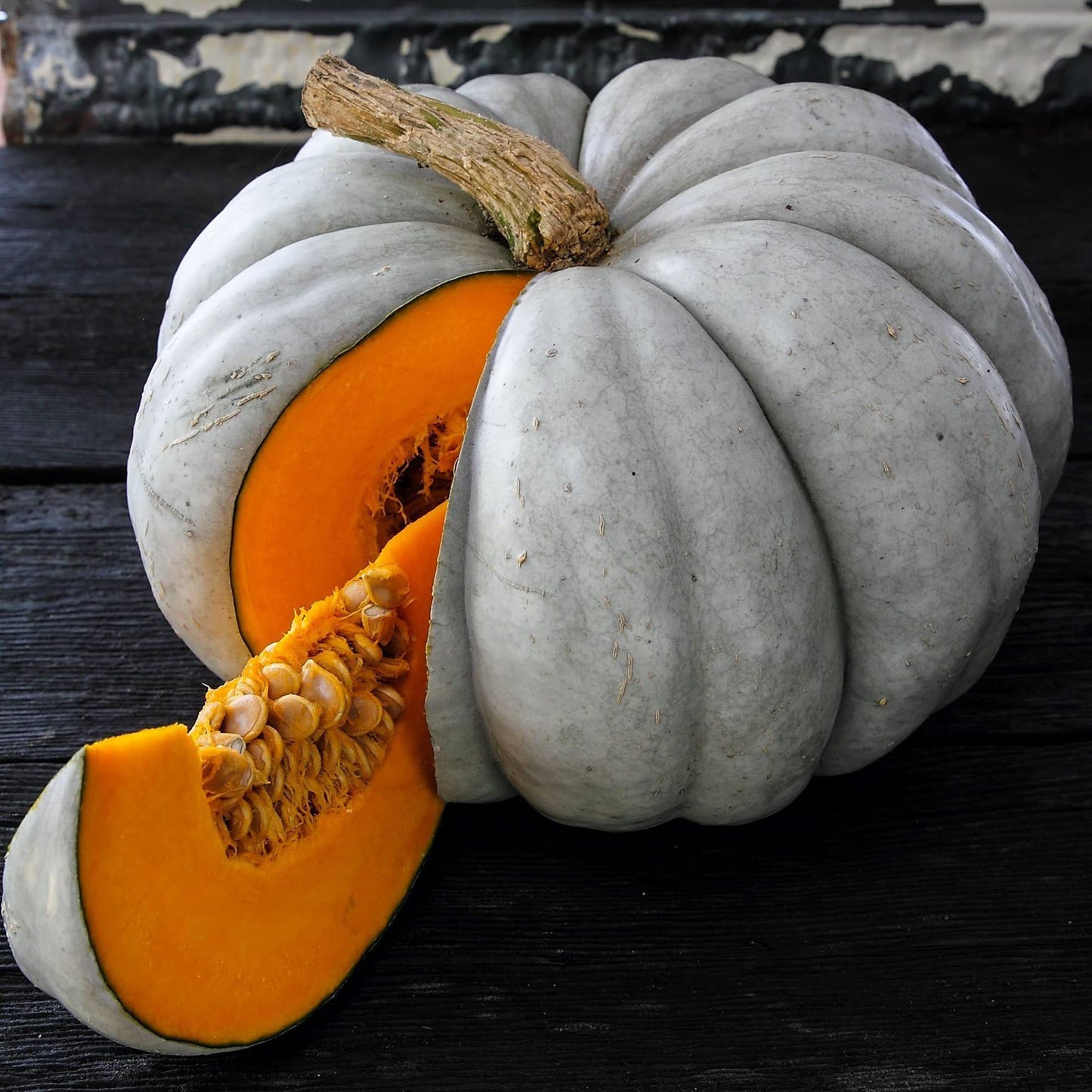
Jarrahdale Pumpkin is an Australian heirloom pumpkin known for its distinctive blue-gray skin and deep orange flesh. It is a warm-season crop, but in the Gulf the extreme summer heat can interfere with flowering, pollination, and fruit development. For Kuwait and similar Gulf climates, careful seasonal timing is essential.
🌱 Best Sowing Time
- Best sowing period: September–November.
- Best period in Kuwait: October–November.
- A second planting can be made in January–February if temperatures remain mild.
- Avoid sowing during May–August, when extreme Gulf heat can severely stress the plants.
- Ideal soil temperature for germination: approximately 21–30°C.
🌿 How to Sow the Seeds
- Choose a location with full sun and excellent drainage.
- Prepare fertile, loose soil enriched with compost or well-rotted organic matter.
- Sow seeds approximately 2–3 cm deep.
- Plant 2–3 seeds per planting spot.
- Once seedlings emerge, thin to the strongest plant.
- Allow approximately 1–1.5 m between plants if growing in a controlled garden area. Jarrahdale pumpkin vines need substantial space.
- Water gently after sowing.
- Keep the soil consistently moist during germination, but avoid waterlogging.
⏱ Germination
- Seeds usually germinate in approximately 5–10 days under suitable conditions.
- Keep the soil warm and evenly moist.
- Once seedlings emerge, provide strong morning sunlight.
- Protect young seedlings from strong winds and excessive afternoon heat.
🌱 Growing & Care
- Sunlight: Full sun, preferably with protection from extreme afternoon heat.
- Soil: Fertile, deep, loose, and well drained.
- Watering: Water deeply and regularly, particularly during flowering and fruit development.
- Avoid frequent shallow watering.
- Fertilizing: Mix compost into the soil before planting. Use a balanced fertilizer during early growth, followed by a fertilizer with adequate potassium when flowering and fruiting begin.
- Avoid excessive nitrogen, which can encourage vines and leaves while reducing fruit production.
- Mulch around the plants to conserve moisture and reduce soil temperature.
- Guide vines away from irrigation lines and other plants where necessary.
🌼 Flowering & Pollination
- Pumpkin plants produce separate male and female flowers.
- Bees and other pollinating insects are important for fruit production.
- In the Gulf, very high temperatures can reduce pollinator activity and interfere with fruit set.
- If natural pollination is poor, hand-pollination in the early morning can improve fruit set.
- Female flowers can be recognized by the small swollen area beneath the flower.
🎃 Harvest
- Jarrahdale pumpkins generally require approximately 90–110 days from sowing to maturity, depending on conditions.
- Harvest when the pumpkin has developed its characteristic blue-gray skin and the stem begins to dry and harden.
- Cut the pumpkin from the vine with a short section of stem attached.
- Avoid damaging or bruising the fruit during harvest.
- Allow harvested pumpkins to cure in a warm, dry, well-ventilated place before long-term storage.
🌡 Gulf Climate Tips
- Autumn is the preferred season for Jarrahdale pumpkin in Kuwait and much of the Gulf.
- October–November generally offers a good balance of warmth for growth and cooler conditions for flowering and fruit development.
- Protect young plants from hot, dry winds.
- During unexpected heat waves, provide 30–50% afternoon shade, particularly for young plants.
- Water in the early morning and, when necessary, again later during very hot periods.
- Avoid keeping the foliage continuously wet overnight.
- Give vines plenty of room to spread or train them along a suitable support/ground area.
- Extremely high temperatures may cause flowers to drop without setting fruit; planting at the correct season is therefore more important than trying to compensate with additional fertilizer or water.
Share