
Lemon balm
Lemon balm
Happy Green Shop
Country of origin: United Kingdom
Couldn't load pickup availability
1700 Seeds
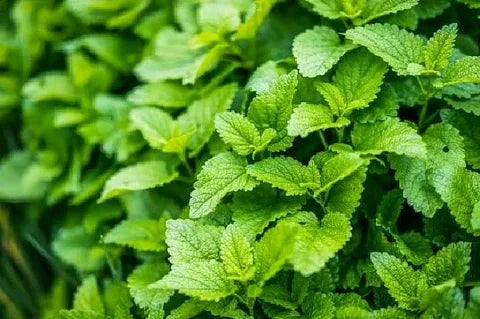
Lemon Balm is a fragrant perennial herb with soft, green, scalloped leaves that release a pleasant lemon scent when crushed. It produces small white to pale flowers that are attractive to bees and other pollinators.
The fresh leaves can be used for herbal tea, salads, desserts, fruit dishes, drinks and various savory dishes. Lemon balm is vigorous and can spread readily, so growing it in a container is a good option if you want to keep it contained.
🌱 Best Planting Time in the Gulf
- Gulf region: September–April
- Kuwait: October–March
- Best period in Kuwait: October–November and February–March
- In warmer Gulf areas, autumn through early spring is generally the most suitable period.
- Avoid starting young plants during the extreme summer heat.
🌿 How to Plant the Seeds
- Use a fine, fertile and well-draining seed-starting mix.
- Moisten the growing medium before sowing.
- Scatter the small seeds thinly over the surface.
- Cover with only a very thin layer of fine soil or compost, approximately 2–3 mm.
- Do not bury the seeds deeply, as some light helps germination.
- Keep the growing medium slightly moist but never waterlogged.
- Place the seed tray in a warm, bright location away from intense direct afternoon sun.
- Once seedlings emerge, provide good light and ventilation.
Lemon balm is easy to grow from seed and can be started in containers or sown directly into the garden.
🌡️ Germination
- Suitable temperature: approximately 18–22°C
- Germination may take up to 3 weeks.
- Keep the seed-starting mix slightly moist during this period.
- In the Gulf, germinate seeds indoors or in a protected, temperature-controlled location when outdoor temperatures are too high.
🌱 Transplanting & Spacing
Transplant young seedlings after they have developed several true leaves and are well established.
- Spacing: approximately 30–45 cm
- Choose a location with good airflow.
- Water immediately after transplanting.
- Harden seedlings gradually before exposing them to strong outdoor conditions.
Lemon balm forms a spreading leafy clump as it matures, so provide enough space for its growth.
☀️ Sunlight
- Full sun to partial shade.
- In the Gulf, morning sun with light afternoon shade is recommended.
- Protect young plants from intense summer and afternoon heat.
- A bright location with some protection during the hottest part of the day can help maintain healthy foliage.
💧 Watering
- Keep the soil evenly moist while seeds are germinating and seedlings are establishing.
- Water regularly during hot weather.
- Allow the upper surface of the soil to dry slightly between waterings once plants are established.
- Avoid constantly saturated soil.
- Container-grown plants generally need more frequent watering than plants growing in the ground.
Lemon balm prefers moist but well-drained conditions.
🌱 Soil
Use:
- Fertile, loose soil
- Moisture-retentive but well-drained soil
- Loam or sandy-loam
- Mature compost or well-decomposed organic matter
- Good drainage
Lemon balm tolerates a range of soil types but performs best when the soil does not remain waterlogged.
🌿 Fertilizing
- Add mature compost before planting.
- Use a mild balanced fertilizer during active growth if necessary.
- Avoid excessive nitrogen, which can encourage excessive soft foliage.
- Regular harvesting generally encourages fresh leafy growth.
🍋 Harvesting
- Harvest the young leaves and shoot tips for the strongest lemon fragrance and flavor.
- Pick regularly during active growth.
- Use the fresh leaves for tea, salads, desserts, fruit dishes, drinks and cooking.
- Harvest before or around flowering for particularly fragrant foliage.
- After flowering, cutting the plant back can encourage a fresh flush of new leaves.
🪴 Growing in Containers
Lemon balm is particularly suitable for container growing because it can spread vigorously.
- Use a container at least 25–30 cm wide and deep.
- Use fertile, well-draining potting mix.
- Ensure good drainage holes.
- Place the container in morning sun and afternoon shade during hot weather.
- Container growing makes it easier to control spreading and move the plant away from extreme heat.
🌸 Flowers & Pollinators
Lemon balm produces small pale flowers that are rich in nectar and attractive to bees and other pollinating insects.
If you do not want the plant to spread by seed, remove the faded flower stems before seeds develop.
🔥 Gulf Climate Tips
- Grow Lemon Balm mainly during the cooler months in the Gulf.
- Start seeds in a protected, cooler location when outdoor temperatures are high.
- In Kuwait, October–November is a good period for starting plants, with another planting possible in February–March.
- Provide morning sunlight and afternoon shade during warm periods.
- Keep the soil moist but well drained.
- Containers are highly useful for controlling the plant's spread and protecting it from extreme heat.
- Good airflow is important, particularly in humid coastal Gulf areas.
- Cut the plant back after flowering to encourage fresh leafy growth and reduce unwanted self-seeding.
🌱 Growing Tip: For the best results in the Gulf, sow Lemon Balm during the cooler season, keep the seeds lightly covered and moist, provide morning sun with afternoon protection, and grow it in a container if you want to control its vigorous spreading habit.
Share