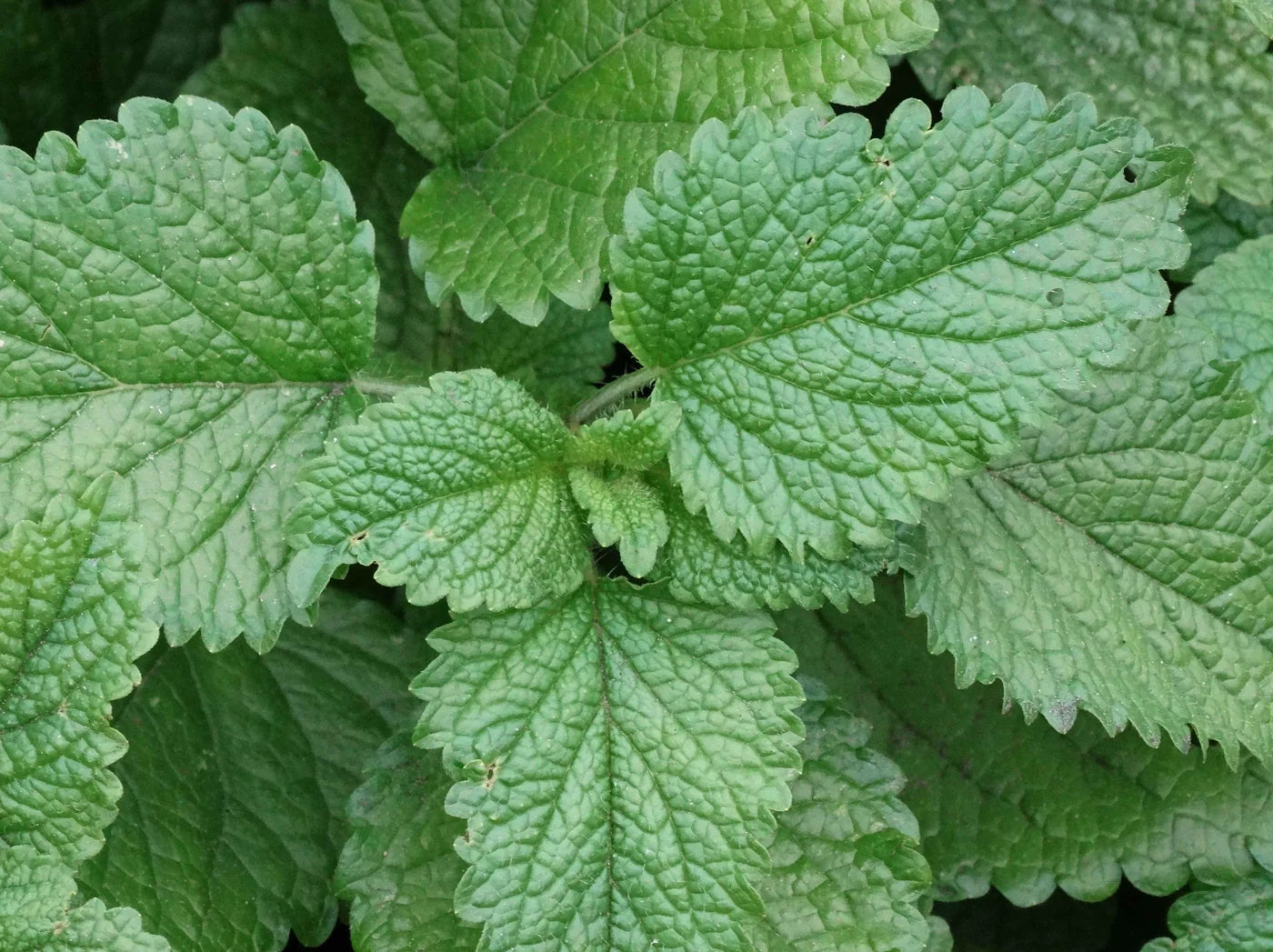

Lemon Balm (Melissa officinalis)
Lemon Balm (Melissa officinalis)
Couldn't load pickup availability
50 Seeds
Lemon Balm is a fragrant perennial herb from the mint family. It has soft green, slightly crinkled leaves with a pleasant fresh lemon-like fragrance when rubbed. It is commonly grown as an aromatic garden herb, for herbal teas, and in home gardens. Small white to pale-yellowish flowers can attract bees and other pollinators.
In the Gulf, Lemon Balm grows best during the cooler months because intense summer heat can cause stress and slow growth.
🌱 Best Sowing Time
For the Gulf area, sow Lemon Balm mainly from:
- September to February
- Kuwait: October to January is ideal
- UAE & Qatar: September to February
- Saudi Arabia & Bahrain: September to February
- Oman: September to February, depending on local temperatures and elevation
Avoid starting seeds during the hottest part of summer.
🌿 How to Sow
- Use a fine, well-draining seed-starting mix.
- Scatter the seeds on the surface.
- Cover with only 2–3 mm of fine soil or growing medium. Lemon Balm seeds should not be planted deeply.
- Mist gently so the seeds are not washed away.
- Keep the surface lightly moist until germination.
- Place the seed tray somewhere bright, warm, and well ventilated.
🌡️ Germination
- Ideal temperature: 18–24°C
- Germination time: approximately 7–21 days
- Germination can be slower or uneven if temperatures are unsuitable.
- Avoid excessive heat above about 28–30°C during germination.
- Keep the growing medium moist but never saturated.
🌱 Seedling Care
Once seedlings appear:
- Provide plenty of bright light.
- Give gentle morning sunlight.
- Protect young seedlings from intense afternoon Gulf sun.
- Water lightly when the surface begins to dry.
- Maintain good airflow.
- Thin crowded seedlings so they do not become weak or leggy.
🌿 Transplanting
Transplant when the seedlings have developed several true leaves.
- Spacing: approximately 30–45 cm between plants
- Container: 5–10 L or larger
- Choose a container with good drainage.
- Harden seedlings gradually before placing them outdoors.
- Transplant during the cooler part of the day.
Lemon Balm can spread vigorously once established, so containers can be useful if you want to keep it controlled.
☀️ Sunlight
- Prefers full sun to partial shade.
- In the Gulf, strong morning sunlight is excellent.
- Provide afternoon shade during hot weather.
- About 30–50% afternoon shade can help during periods of intense heat.
- Avoid placing containers against extremely hot concrete, metal, or reflective walls.
💧 Watering
Lemon Balm prefers regular moisture but does not like waterlogged soil.
- Keep young seedlings evenly and lightly moist.
- Once established, water when the upper layer of soil begins to dry.
- Increase watering during hot, dry weather.
- Reduce watering during cooler or humid periods.
- Always provide good drainage.
Mulching around established plants can help keep the root zone cooler and reduce moisture loss.
🌱 Soil
Use a fertile, loose, well-draining soil.
A suitable container mix can contain:
- Quality potting soil or coco peat
- Aged compost
- Perlite or pumice
- A small amount of coarse sand if additional drainage is needed
Avoid heavy soil that stays wet for long periods.
🌿 Fertilizing
- Begin light feeding after the plants are established.
- Use a balanced herb or general-purpose fertilizer at a low rate.
- Feed approximately every 4–6 weeks during active growth if needed.
- Avoid excessive nitrogen, which can produce soft, overly leafy growth.
- Reduce or stop feeding during periods of extreme Gulf heat.
🌸 Flowering & Harvest
Lemon Balm produces small, delicate flowers that can attract bees and other pollinators.
For leafy growth:
- Harvest young leaves and stems once the plant is well established.
- Cutting the stems regularly encourages bushier growth.
- The leaves have their strongest lemon-like aroma when fresh.
- Leaves can also be dried for later use.
🔥 Gulf Climate Tips
- Cool-season cultivation is strongly recommended.
- Protect young plants from temperatures above 35°C.
- Morning sun + afternoon shade is a good combination in hot areas.
- Containers make it easier to move plants to a cooler location.
- Avoid hot rooftops, concrete surfaces, and walls that radiate heat.
- Excellent drainage is especially important in humid coastal Gulf areas.
- During extreme summer heat, growth may slow considerably.
- In very hot locations, give the plant additional afternoon protection or grow it in a partially shaded area.
🌱 Growing Tip: Lemon Balm is an excellent herb to start during the cooler Gulf season. Sow the seeds shallowly, keep the surface lightly moist during germination, provide bright morning light, and protect the plant from intense afternoon heat.
Share