
1
/
of
1
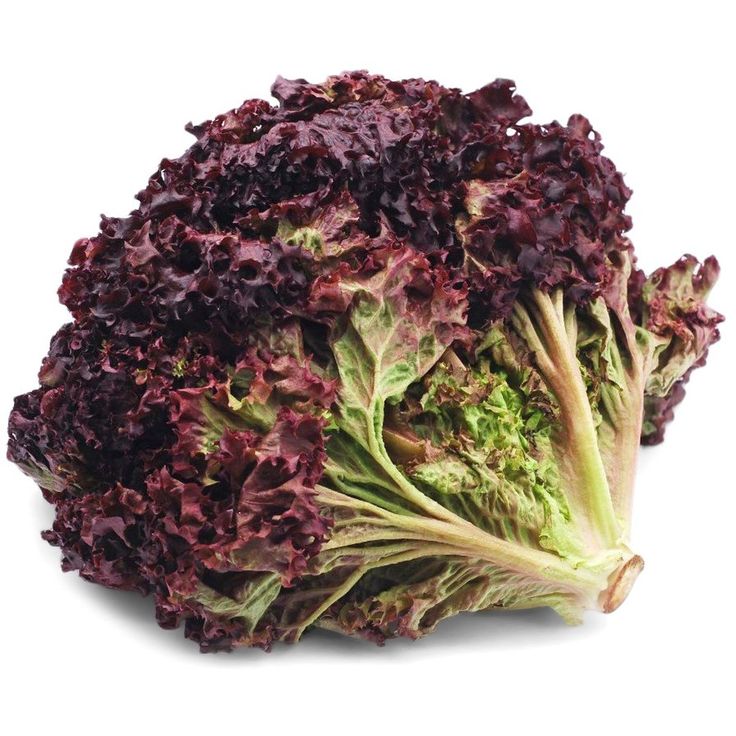
Lollo Rosso Red Lettuce
Lollo Rosso Red Lettuce
Tohum Dünyasi
Country of origin: Turkey
No reviews
Regular price
1.200 KWD
Regular price
Sale price
1.200 KWD
Shipping calculated at checkout.
Quantity
Couldn't load pickup availability
200 Seeds
Lollo Rosso is a loose-leaf lettuce with attractive, deeply frilled leaves that develop green centers and reddish-purple edges. It is a fast-growing, tender lettuce ideal for salads, sandwiches, garnishing, and baby-leaf harvesting. Compared with Iceberg, it does not form a dense head and is particularly well suited to repeated harvesting.
Best Planting Time
- October to February — best period for most Gulf areas.
- In cooler Gulf locations, sowing can continue into March.
- Avoid the hot summer months because high temperatures cause bitterness and premature bolting.
Seed Preparation
- No soaking is required.
- Lettuce seeds are very small and need light to germinate.
- Use fresh, high-quality seeds.
Soil Preparation
Use fertile, loose, moisture-retentive soil with good drainage.
Recommended mix:
- 40% Sandy loam soil
- 30% Well-rotted compost
- 20% Coco peat
- 10% Perlite
Ideal soil pH:
- 6.0–7.0
Sowing Method
- Sow directly into prepared beds or use seed trays.
- Sow seeds only 0.3–0.5 cm deep.
- Cover with a very thin layer of fine soil.
- Keep the surface evenly moist until germination.
- Transplant seedlings when they have 3–4 true leaves, usually after 3–4 weeks.
Temperature & Light
- Ideal germination temperature: 15–21°C
- Ideal growing temperature: 15–24°C
- Provide 5–7 hours of sunlight daily.
- In warmer Gulf conditions, provide 30–40% shade during the afternoon.
- Avoid exposing seedlings to intense midday heat.
Watering
- Keep soil consistently moist but not waterlogged.
- Water when the upper 1–2 cm starts to dry.
- During warmer weather, check moisture daily.
- Water early in the morning.
- Consistent moisture helps maintain tender, sweet leaves.
Germination Time
- 4–10 days
Plant Spacing
- 20–30 cm between plants for mature loose-leaf plants.
- 25–35 cm between rows.
- For baby-leaf production, plants can be grown closer together.
Harvest
- Baby leaves can be harvested approximately 25–35 days after sowing.
- Mature leaves can usually be harvested from around 40–60 days, depending on conditions.
- Harvest the outer leaves first and leave the center growing point intact for continued production.
- Alternatively, cut the whole plant about 2–3 cm above the soil for a single harvest.
- Harvest in the early morning for maximum crispness.
Fertilization
- Add compost before sowing.
- Apply a mild balanced fertilizer approximately 2–3 weeks after planting.
- Feed lightly every 2–3 weeks if plants are being repeatedly harvested.
- Avoid excessive nitrogen, which can produce soft, overly lush growth.
Gulf Climate Tips
- Cool temperatures are essential for the best flavor and color.
- Use 30–40% shade cloth during warm periods.
- Mulch lightly around plants to keep the root zone cool.
- Avoid letting the soil dry completely.
- Provide good air circulation to reduce fungal diseases.
- Monitor for aphids, whiteflies, thrips, caterpillars, and slugs/snails.
- If the plant produces a tall central flower stalk, it is bolting; harvest the leaves immediately.
Share
No reviews