

1
/
of
2
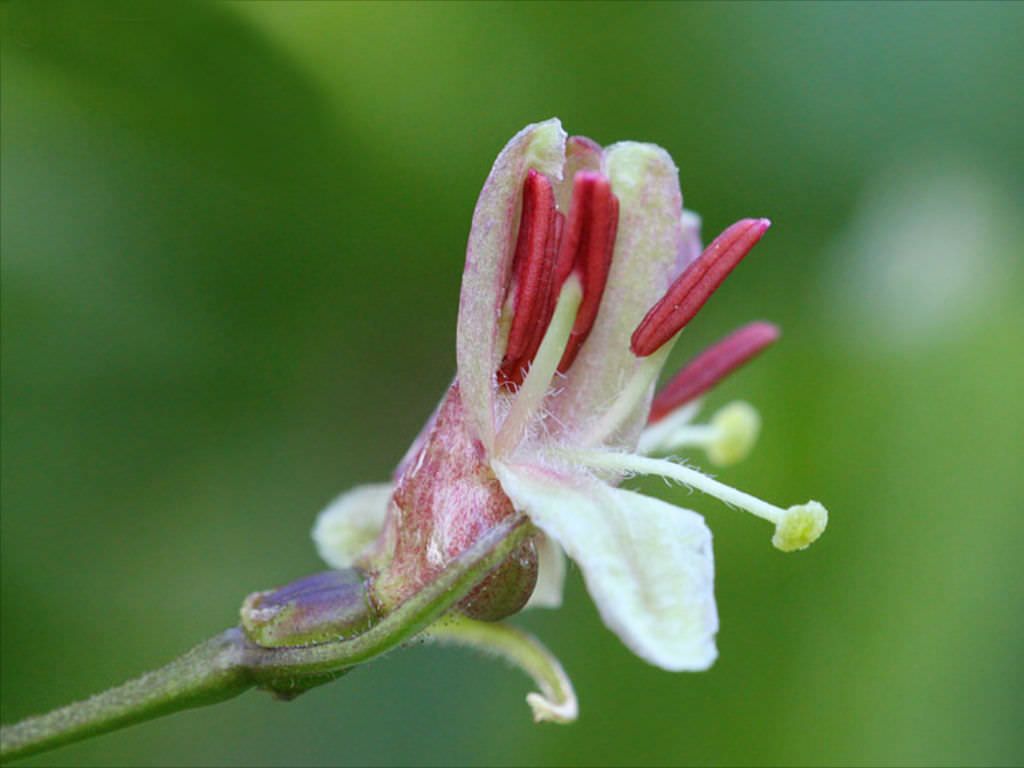
Lonicera Alpigena
Lonicera Alpigena
No reviews
Regular price
2.250 KWD
Regular price
2.750 KWD
Sale price
2.250 KWD
Shipping calculated at checkout.
Quantity
Couldn't load pickup availability
10 Seeds
🌱 Best Sowing Time
- Gulf: October–January.
- Kuwait: November–December is the preferred period.
- Seeds normally benefit from a cold, moist stratification period before sowing.
- Avoid attempting germination during the hot summer.
- Germination temperature after stratification: approximately 15–20°C.
❄️ Seed Preparation
Lonicera alpigena seeds can have dormancy and may germinate slowly.
- Mix seeds with slightly moist peat, coco coir, or vermiculite.
- Place the mixture in a sealed bag or container.
- Refrigerate at approximately 2–5°C for 8–12 weeks.
- Check periodically to ensure the medium remains slightly moist.
- After stratification, sow the seeds into a prepared seed-starting mix.
- Do not freeze the seeds.
🌿 How to Sow
- Use a moisture-retentive but well-drained seed-starting mix.
- Sow seeds approximately 0.5–1 cm deep.
- Cover lightly with fine soil.
- Water gently.
- Keep the medium consistently moist but not saturated.
- Place the tray in a bright location with cool temperatures.
- Avoid hot direct sunlight.
- Germination may be slow and irregular, potentially taking several weeks or longer.
🌱 Seedling Care
- Give seedlings bright, filtered light.
- Avoid intense Gulf sunlight.
- Keep temperatures as cool as practical.
- Maintain even moisture without waterlogging.
- Provide good ventilation.
- Once seedlings have several true leaves, feed with a very weak balanced fertilizer.
- Protect seedlings from sudden temperature increases.
🌿 Transplanting
- Transplant once the seedlings are well established and have a healthy root system.
- Harden gradually before moving outdoors.
- Use a large container in Gulf climates so the root environment can be managed more easily.
- Choose a loose, organic-rich, well-drained growing medium.
- Space plants approximately 1–1.5 m apart if eventually planted in the ground.
- Avoid disturbing the roots excessively.
☀️ Growing & Care
- Light: Partial shade to filtered sun is preferable in the Gulf.
- In its natural habitat, it generally experiences cooler conditions than those found in the lowland Gulf.
- Soil: Moist, fertile, humus-rich, and well drained.
- Water: Keep the root zone consistently and moderately moist.
- Do not allow the plant to dry out completely.
- Avoid standing water.
- Mulch heavily with organic material to help keep the roots cool.
- Prune lightly after the main growth period if needed.
🌡 Gulf Climate Tips
- This species is not naturally suited to the extreme heat of Kuwait and much of the Gulf.
- Grow it preferably in a large container where it can be moved or protected.
- Provide 50–70% shade during the hottest part of the year.
- Keep it away from hot walls, paving, and reflected heat.
- A cool, shaded, well-ventilated location is preferable.
- During extreme summer temperatures, place container plants in the coolest bright-shade location available.
- Maintain consistent root moisture, but ensure excellent drainage.
- Reduce fertilizer during periods of heat stress.
- Summer survival may be difficult in exposed outdoor locations.
🍒 Fruit & Maturity
- Lonicera alpigena produces attractive red berries when mature.
- Do not assume the berries are edible; identification and species-specific safety information should be confirmed before consumption.
- Plants grown from seed can take several years to reach maturity and fruiting.
Tip: Lonicera alpigena is not an easy Gulf plant. If you want to try it in Kuwait, the best approach is to provide cold stratification, a cool growing environment, substantial shade, consistent moisture, and protection from extreme summer heat. A climate-controlled or naturally cool growing area will give it a much better chance of surviving.
Share