
1
/
of
1
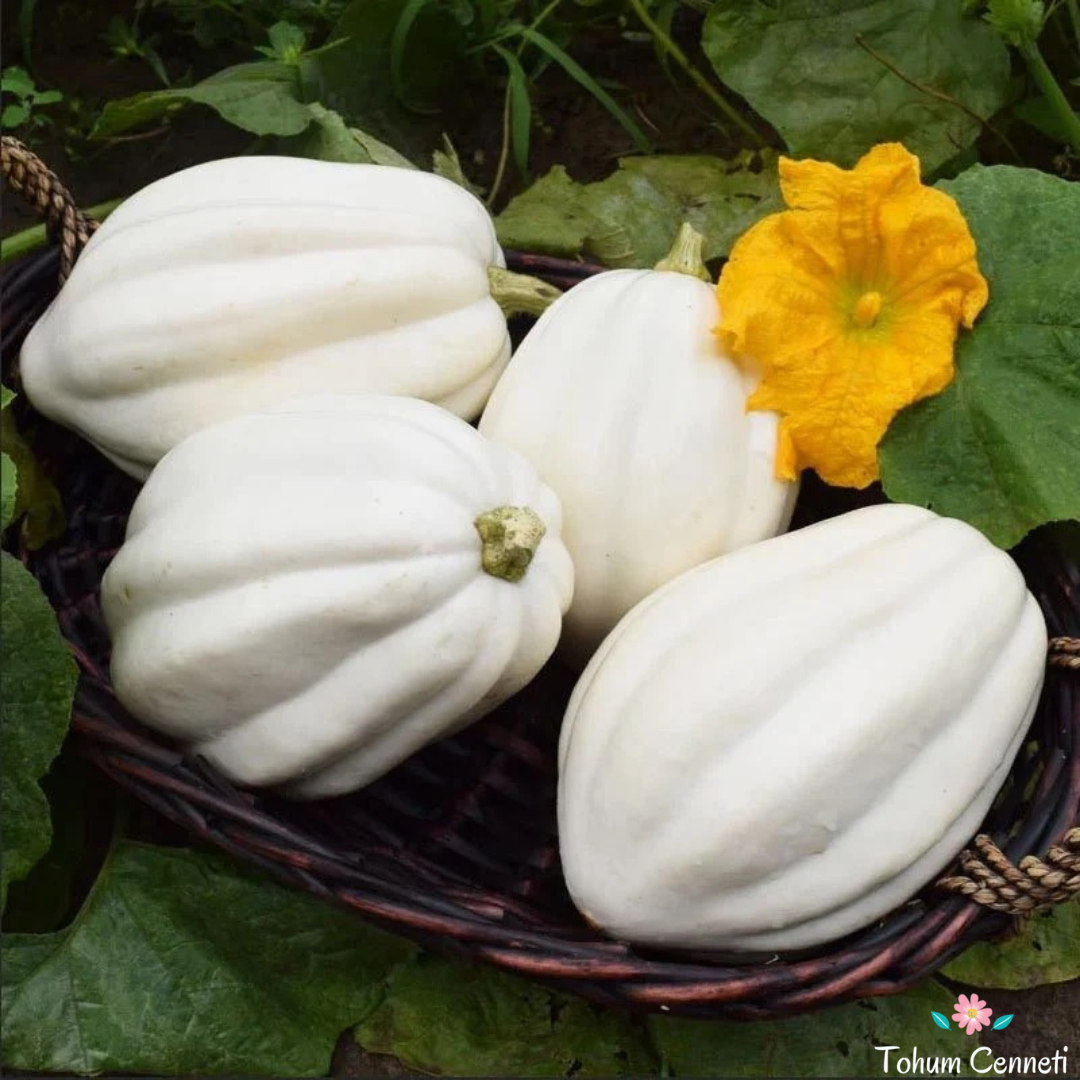
Mashed Potato Squash
Mashed Potato Squash
No reviews
Regular price
1.000 KWD
Regular price
Sale price
1.000 KWD
Shipping calculated at checkout.
Quantity
Couldn't load pickup availability
5 Seeds
Mashed Potato Squash is a compact winter squash variety producing small, creamy-white fruits that are useful for roasting, baking, and mashing. Like other squash, it is a warm-season crop that needs warm soil, full sun, regular watering, and good nutrition. In the Gulf, it should be grown during the milder warm seasons rather than the extreme summer heat.
🌱 Best Growing Season
- Best sowing time: February–March.
- A second growing window is September–October, as temperatures begin to fall.
- In Kuwait and the hottest Gulf areas, February–March is generally the best outdoor sowing period.
- Avoid: June–August and periods of extreme heat.
- Ideal soil temperature for germination: approximately 21–30°C.
🌿 Seed Sowing
- Choose a location with full sun and excellent drainage.
- Prepare fertile soil enriched with compost or well-rotted organic matter.
- Sow seeds approximately 2–3 cm deep.
- Plant 2–3 seeds per planting spot initially.
- Once seedlings develop several true leaves, keep the strongest plant and remove the weaker seedlings.
- Allow approximately 90–120 cm between plants.
- Leave around 150–200 cm between rows, or provide adequate space for the vines to spread.
- Water gently after sowing.
- Keep the soil consistently moist until germination.
⏱ Germination
- Seeds usually germinate within 5–10 days under warm conditions.
- Keep the soil warm and evenly moist.
- Avoid waterlogging, which can cause seeds to rot.
- Once seedlings emerge, provide strong sunlight and good airflow.
🌱 Growing & Care
- Sunlight: Full sun, ideally 6–8+ hours daily.
- Soil: Fertile, loose, organic-rich, and well drained.
- Watering: Water deeply and consistently, especially during flowering and fruit development.
- Drip irrigation is recommended in the Gulf.
- Avoid frequent shallow watering.
- Fertilizing: Add compost before planting. Use a balanced fertilizer during early growth, then provide adequate potassium during flowering and fruit development.
- Avoid excessive nitrogen after flowering begins.
- Keep weeds away from the root zone.
- Mulch around the plants to conserve moisture and help moderate soil temperature.
🌸 Flowering & Pollination
- Squash produces separate male and female flowers.
- Bees and other pollinators are important for successful fruit formation.
- Avoid spraying insecticides while pollinators are active.
- If fruit set is poor, hand pollination can be performed in the morning by transferring pollen from a male flower to a female flower.
- Extreme Gulf heat can cause flowers to drop or reduce fruit set.
🎃 Fruit Development
- Once fruits begin forming, keep irrigation consistent.
- Place straw, cardboard, or another clean dry surface beneath developing fruits to reduce direct contact with hot or wet soil.
- Avoid excessive moisture around the crown and stems.
- Give vines enough room to spread or train them along a suitable support where practical.
🎃 Harvest
- Mashed Potato Squash is generally harvested when the fruits have reached their mature size and developed their characteristic cream/white skin.
- For winter squash, allow the skin to harden before harvesting when possible.
- The stem should begin to dry and become firm.
- Cut the fruit from the vine using clean pruning shears, leaving a short section of stem attached.
- Cure mature squash in a warm, dry, shaded, well-ventilated location before long-term storage.
🌡 Gulf Climate Tips
- In Kuwait and very hot Gulf regions, February–March is particularly suitable for the main crop.
- For an autumn crop, sow around September–October.
- During sudden heat waves, provide temporary afternoon shade to young plants.
- Use mulch to reduce soil temperature and evaporation.
- Water early in the morning.
- Drip irrigation helps maintain consistent moisture while reducing water waste.
- Protect young vines from hot, dry winds.
- During flowering, avoid excessive heat stress because very high temperatures can interfere with pollination and fruit set.
Share