
Narcissus Mix
Narcissus Mix
Couldn't load pickup availability
5 Bulbs
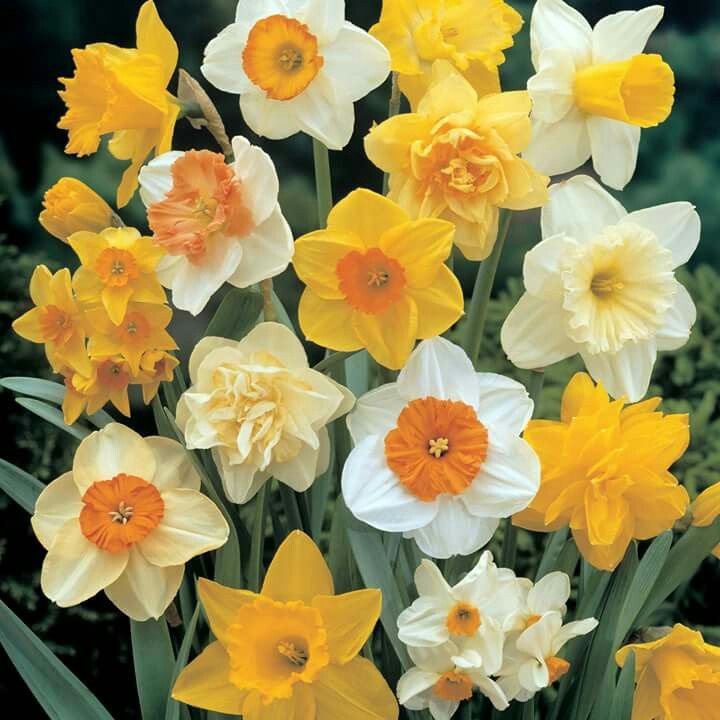
Narcissus Mix is a colorful mixture of different daffodil and narcissus varieties. Depending on the mix, flowers may be yellow, white, cream, orange, or combinations of these colors, with different flower shapes and sizes.
Narcissus produces attractive spring flowers on upright stems and is excellent for garden borders, containers, flower beds and cut flowers. Daffodils generally prefer sunny conditions and moderately fertile, well-drained soil.
Important for the Gulf: Narcissus is a cool-season bulb. It generally adapts better to mild-winter regions than some other spring bulbs, but flowering can still vary in warmer Gulf climates. Most daffodils can grow without artificial pre-chilling in mild-winter areas, although local results depend on the specific varieties in the mix.
🌱 Best Planting Time
For the Gulf region:
- Gulf area: October–January
- Kuwait: November–December
- Best period in Kuwait: November–December
- Plant during the coolest part of the growing season.
- Avoid planting during the extreme summer heat.
Spring-flowering bulbs such as Narcissus are normally planted while dormant in autumn.
🌿 How to Plant the Bulbs
- Choose firm, healthy bulbs without soft areas, mold or signs of rot.
- Select a sunny location with excellent drainage.
- Loosen the soil before planting.
- Place each bulb with the pointed growing tip facing upward.
- Plant at approximately 1.5–2 times the bulb's own depth, or around 10–15 cm deep for many larger daffodil bulbs, depending on bulb size.
- Space bulbs approximately 10–15 cm apart, or at least twice the bulb's width.
- Cover gently with soil.
- Water after planting if the soil is dry, allowing excess water to drain away.
🪴 Growing in Containers
Narcissus grows very well in containers, making it a useful choice for Gulf gardens.
- Choose a deep container with drainage holes.
- Use a loose, fertile, well-draining potting mix.
- Mix potting soil with compost and perlite, pumice or coarse grit.
- Plant the bulbs about 1.5–2 times their own depth.
- Containers can be moved to a cooler, sheltered position when temperatures rise.
- Avoid placing containers directly on extremely hot concrete or metal surfaces.
🌡️ Sprouting and Early Growth
The bulbs normally produce roots first, followed by narrow leaves and then flowering stems.
- Keep the soil moderately moist during active growth.
- Avoid waterlogging.
- Provide good airflow around the plants.
- Protect young growth from unusually high temperatures.
- Different varieties in a mix may sprout and flower at slightly different times.
☀️ Sunlight
Narcissus generally prefers full sun to light partial shade.
For Gulf conditions:
- Provide strong morning sunlight.
- Give light afternoon shade when temperatures become high.
- Avoid locations that receive intense reflected heat from walls or concrete.
- A bright morning-sun position with afternoon protection is particularly useful in Kuwait.
💧 Watering
- Water lightly after planting if the soil is dry.
- During active growth, keep the soil evenly and moderately moist.
- Allow excess water to drain completely.
- Never allow the bulbs to sit in water.
- As the foliage begins to yellow and die back after flowering, gradually reduce watering.
- Avoid excessive irrigation during dormancy.
Narcissus prefers moisture during active growth but good drainage is important to reduce the risk of bulb problems.
🌱 Soil
Use:
- Fertile, loose soil
- Excellent drainage
- Compost or well-rotted organic matter
- Perlite, pumice or coarse grit where additional drainage is needed
Narcissus tolerates different soil types but performs best in moderately fertile, well-drained soil.
🌿 Fertilizing
- Add compost before planting.
- A light balanced bulb fertilizer can be applied when growth begins.
- Container-grown plants can benefit from light feeding during active growth.
- Avoid excessive nitrogen, which can encourage foliage at the expense of flowers.
- A potassium-rich fertilizer can be useful during the growing season.
🌸 Flowering
Narcissus Mix can produce a varied display of cheerful flowers, depending on the varieties included.
You may see:
- Yellow flowers
- White flowers
- Cream flowers
- Orange or apricot tones
- Two-color combinations
- Different trumpet, cup or layered flower forms
Because it is a mix, flowering height and timing can vary between individual bulbs.
🌿 After Flowering
- Remove faded flower heads if desired.
- Keep the green leaves intact.
- Allow the foliage to naturally turn yellow and die back.
- Do not cut green leaves immediately after flowering because they help replenish the bulb for the next season.
- Once the foliage has completely died back, reduce watering considerably.
⚠️ Important Safety Note
Narcissus bulbs and other parts of the plant are harmful if eaten and may cause skin irritation. Wear gloves when handling bulbs if you have sensitive skin, and keep bulbs away from children and pets.
🔥 Gulf Climate Tips
- Kuwait: November–December is a good planting period.
- Use containers if your garden soil has poor drainage.
- Give the plants strong morning sun and protection from intense afternoon heat.
- Keep the root zone well drained and avoid standing water.
- Avoid excessive summer watering once the bulbs become dormant.
- If flowering is weaker than expected, the warm Gulf winter may be a factor.
- Since this is a mix, some varieties may perform better than others under Gulf conditions.
🌱 Growing Tip: For Kuwait, plant Narcissus Mix bulbs in November–December, around 10–15 cm deep depending on bulb size, with 10–15 cm spacing. Use very well-drained soil, provide morning sun and protect the plants from intense afternoon heat.
Share