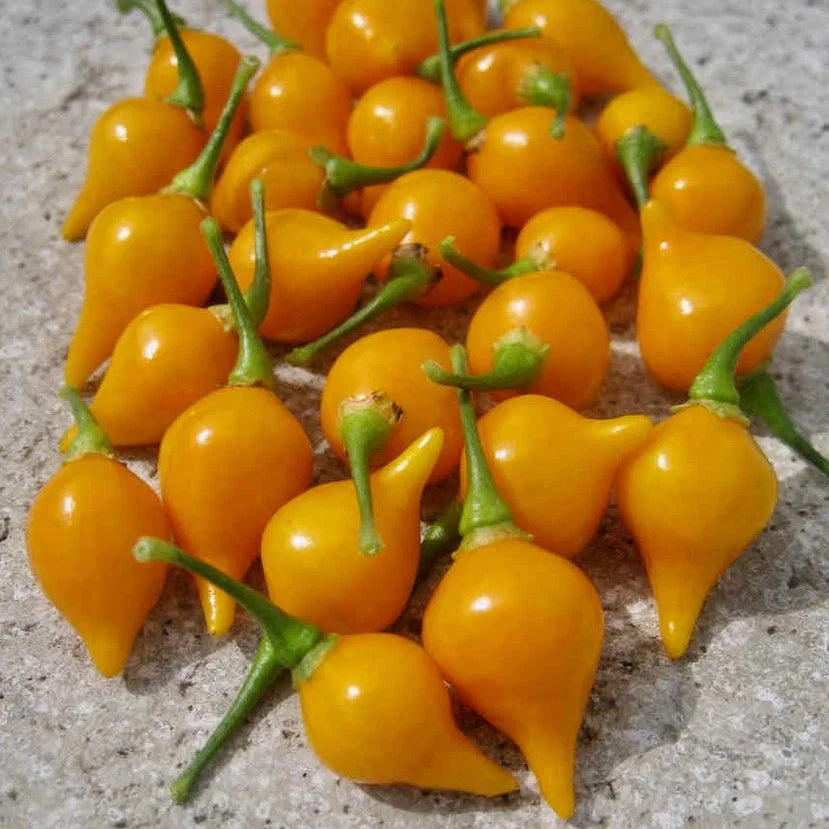

Pepper Button Yellow
Pepper Button Yellow
Couldn't load pickup availability
20 Seeds
🌱 Best Sowing Time
For the Gulf climate, sow during the cooler growing season:
- Gulf region: September–February
- Kuwait: October–January
- UAE & Qatar: September–February
- Saudi Arabia & Bahrain: September–February
- Oman: September–February, depending on local temperatures
For very hot areas, start seeds in a protected location where temperature can be controlled.
🌿 How to Sow
- Fill seed trays or small pots with fine, fertile, well-draining seed-starting mix.
- Moisten the growing medium before sowing.
- Sow 1–2 seeds per cell.
- Cover lightly with fine soil.
- Keep the medium consistently moist but not waterlogged.
- Place the tray in a warm, bright location.
Seed depth: Approximately 5–10 mm.
🌡️ Germination
- Ideal temperature: 24–30°C
- Germination time: Usually 7–14 days
- Germination may take longer under cooler conditions.
- Avoid excessive temperatures above approximately 32–35°C.
- Do not allow the seed-starting medium to dry completely.
🌱 Seedling Care
After germination:
- Provide strong, bright light.
- Give gentle morning sunlight.
- Protect young seedlings from intense Gulf afternoon sun.
- Keep the soil lightly and evenly moist.
- Provide good ventilation.
- Avoid excessive watering.
- Thin seedlings if more than one develops in the same cell.
🌿 Transplanting
Transplant when seedlings have several true leaves and are well established.
- Plant spacing: 30–45 cm
- Row spacing: 45–60 cm
- Container: 10–20 L per plant is recommended.
- Harden seedlings gradually before moving them outdoors.
- Transplant during the cooler part of the day.
- Water thoroughly after transplanting.
☀️ Sunlight
- Provide 6–8 hours of good sunlight where possible.
- Morning sunlight is ideal in the Gulf.
- Protect plants from intense afternoon heat.
- Provide 30–50% afternoon shade during very hot periods.
- Avoid placing containers directly on extremely hot concrete, metal or rooftop surfaces.
💧 Watering
- Keep the soil evenly moist but well drained.
- Water deeply when the upper soil begins to dry.
- Increase watering during hot and dry weather.
- Maintain consistent moisture during flowering and fruit development.
- Avoid both prolonged drought and waterlogging.
- Water around the base of the plant rather than constantly wetting the foliage.
- Mulching can help reduce evaporation and protect the root zone.
🌱 Soil
Use fertile, loose and well-draining soil.
A good container mix can include:
- Quality potting soil or coco peat
- Well-aged compost
- Perlite or pumice
- Coarse sand if additional drainage is needed
The soil should retain some moisture while allowing excess water to drain quickly.
🌿 Fertilizing
- Begin fertilizing after seedlings become established.
- Use a balanced vegetable fertilizer during early growth.
- Once flowering begins, provide adequate phosphorus and potassium.
- Avoid excessive nitrogen, which can encourage leafy growth at the expense of fruit production.
- Feed moderately and regularly during fruit development.
🌶️ Fruiting
‘Button Yellow’ produces small yellow pepper fruits.
The fruits can be harvested when they have reached the desired size and yellow color. Regular harvesting can encourage the plant to continue producing.
If the exact seed supplier describes the variety as ornamental or particularly hot, follow the supplier's fruit-use information before consuming.
🔥 Gulf Climate Tips
- Cooler months are the best growing period.
- Protect young plants from temperatures above 35°C.
- Afternoon shade is particularly important during heatwaves.
- Containers allow plants to be moved to a cooler location when necessary.
- Use mulch to protect the root zone from excessive heat.
- Ensure excellent drainage, especially in humid coastal Gulf areas.
- Extreme summer heat can reduce flowering, fruit set and fruit quality.
- Avoid planting where reflected heat from walls or paving can raise temperatures significantly.
🌱 Growing Tip: Start ‘Button Yellow’ pepper seeds during the cooler Gulf season, maintain warm conditions for germination, give seedlings bright morning light, and protect mature plants from intense afternoon heat for better flowering and fruit production.
Share