
1
/
of
1
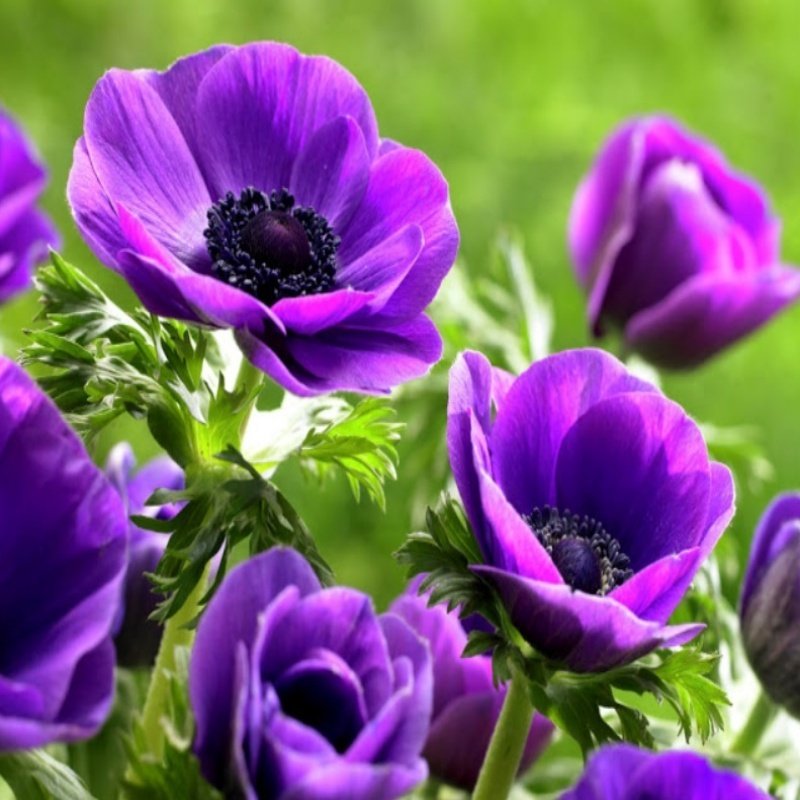
Pulsatilla Vulgaris Violet Mountain Tulip Anemon Blossom
Pulsatilla Vulgaris Violet Mountain Tulip Anemon Blossom
No reviews
Regular price
0.750 KWD
Regular price
1.000 KWD
Sale price
0.750 KWD
Shipping calculated at checkout.
Quantity
Couldn't load pickup availability
5 Seeds
Pulsatilla vulgaris is a cool-climate perennial and is more challenging to grow in the Gulf than typical annual flowers. It requires cool conditions for good germination and establishment, and the intense Gulf summer heat can be particularly difficult for young plants. In Kuwait, growing it in a container with excellent drainage and protection from intense summer heat is recommended.
🌱 Best Sowing Time
- Gulf: October–December is generally the best period.
- Kuwait: November–December is preferred.
- A second opportunity is January–February if cool conditions are maintained.
- Avoid sowing during May–September, when temperatures are generally too high.
- Germination temperature: approximately 15–20°C is preferable.
🌿 Seed Preparation & Sowing
- Use fresh seeds whenever possible; Pulsatilla seeds can lose viability with prolonged storage.
- Prepare a very well-drained, light, gritty seed mix.
- A mixture containing fine compost/coir with perlite, pumice, or coarse sand is suitable.
- Sow seeds approximately 0.3–0.5 cm deep.
- Cover lightly with fine growing medium.
- Water gently using a fine spray.
- Keep the medium slightly moist, never saturated.
- Place the seed tray in a cool, bright location protected from strong Gulf sunlight.
❄️ Germination & Cold Treatment
- Germination can be slow and irregular, often taking several weeks.
- Some seeds may benefit from a cool period of approximately 4–8 weeks at around 2–5°C before sowing or as part of the germination process.
- A practical method for the Gulf is to sow in a small container and provide controlled cold treatment in a refrigerator, keeping the seeds or sowing medium slightly moist.
- Do not freeze the seeds.
- After cold treatment, place the container in a cool, bright location at approximately 15–20°C.
- Avoid repeatedly moving seeds between very hot and cold conditions.
🌱 Seedling Care
- Once seedlings emerge, provide bright light but protect them from intense afternoon sun.
- Do not keep the soil continuously wet.
- Good drainage is essential because young Pulsatilla plants are susceptible to root problems in waterlogged soil.
- Transplant carefully because Pulsatilla develops a deep root system.
- Prefer a deep pot rather than a shallow tray when the seedlings are established.
☀️ Growing & Care in the Gulf
- Light: Bright light or morning sun with afternoon protection.
- Soil: Gritty, fertile, alkaline to neutral, and exceptionally well drained.
- Water: Water moderately during active growth. Allow the surface to dry slightly between waterings.
- Reduce watering during hot weather when growth slows.
- Fertilizer: Use only a light, balanced fertilizer during active growth. Avoid excessive fertilization.
- Avoid disturbing the roots once established.
🌸 Flowering
- Do not expect rapid flowering from seed.
- Pulsatilla vulgaris is a perennial, and plants grown from seed may require 1–3 years or more to reach good flowering size.
- Mature plants produce attractive violet flowers, often followed by decorative silky seed heads.
🌡 Gulf Climate Tips
- The biggest challenge is summer heat, rather than winter cold.
- During Gulf summer, keep plants in a bright, well-ventilated location with strong afternoon protection.
- Container cultivation is strongly recommended in Kuwait because the plant can be moved to a more suitable microclimate.
- Avoid dark containers that become extremely hot in direct summer sun.
- Excellent drainage is essential during humid coastal weather.
- Do not allow pots to stand in water.
- Water early in the morning and avoid prolonged leaf wetness.
Important Gulf Tip: Pulsatilla vulgaris is not naturally adapted to the extreme heat of the Gulf. For the best chance of success, start seeds during the coolest part of the year, use a gritty well-drained medium, provide appropriate cold treatment, and protect the plant from intense summer heat.
Share