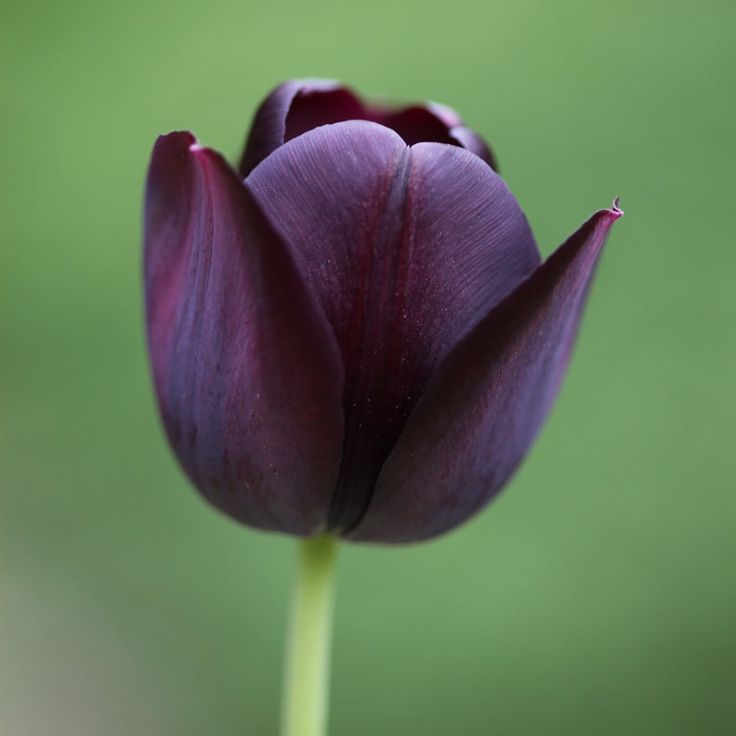

Queen of Night Tulip
Queen of Night Tulip
Couldn't load pickup availability
5 Bulbs
Queen of Night is one of the most famous dark-colored tulips, producing elegant cup-shaped flowers in deep purple, plum and dark mahogany shades that can appear almost black in certain light. It grows to around 60 cm and has strong stems, making it excellent for flower beds, containers and cut flowers. It is a Single Late Group tulip that normally flowers in late spring.
Tulips naturally perform best after a cool winter period. In the warm Gulf climate, flowering can therefore be less reliable than in colder regions, so pre-chilling the bulbs before planting is strongly recommended.
🌱 Best Planting Time
- Gulf region: October–January
- Kuwait: Best around November–December
- Plant once the intense summer heat has passed and temperatures begin to cool.
- Use pre-chilled bulbs for a better chance of strong flowering in warm Gulf conditions.
- Avoid planting during the hottest months.
🌿 How to Plant the Bulbs
- Choose firm, healthy bulbs without soft or damaged areas.
- Plant with the pointed growing tip facing upward.
- Plant approximately 15–20 cm deep, depending on bulb size.
- Space bulbs approximately 10–15 cm apart.
- Cover gently with fertile, well-drained soil.
- Water thoroughly after planting, allowing excess water to drain away.
- Avoid areas where water remains around the bulbs, as poor drainage can lead to bulb rot. RHS recommends 10–15 cm depth, while specialist growing guidance commonly recommends 15–20 cm for Queen of Night.
🪴 Growing in Containers
Queen of Night is very suitable for containers.
- Use a deep pot with excellent drainage.
- Use loose, fertile potting soil mixed with compost and perlite, pumice or coarse grit.
- Plant several bulbs together for a dramatic display.
- Keep the container in a bright location.
- During warm Gulf weather, protect the pot from intense afternoon heat.
- Do not place the container directly on very hot concrete or metal.
☀️ Sunlight
Queen of Night prefers full sun.
In the Gulf, provide good morning sun and some protection from the strongest afternoon heat, particularly when temperatures start rising. Good air circulation is also beneficial.
💧 Watering
- Water after planting to settle the soil.
- Keep the soil lightly and evenly moist while roots and shoots are developing.
- Do not keep the soil constantly wet.
- Water more regularly during active growth if the weather is dry.
- After flowering, gradually reduce watering as the foliage begins to yellow.
- Keep dormant bulbs relatively dry during the hot summer.
🌱 Soil
Use fertile, loose and very well-drained soil.
A good container mixture can include:
- Quality potting soil
- Well-rotted compost
- Perlite, pumice or coarse grit
Drainage is especially important for tulips because excessive moisture can encourage bulb rot.
🌿 Fertilizing
Apply a light balanced bulb fertilizer when active growth begins. During active growth, a fertilizer with relatively higher potassium can support flowering and bulb development. Avoid excessive nitrogen.
🌸 Flowering
Queen of Night produces its characteristic dark, elegant flowers in late spring under suitable conditions. The flowers have a rich purple-to-maroon coloration and can look almost black, especially in low or soft light.
Its tall, strong stems also make it an excellent choice for cut flowers.
🌿 After Flowering
- Remove faded flowers after blooming.
- Do not cut the green leaves immediately.
- Allow the foliage to naturally yellow and dry so the bulb can store energy.
- Once the foliage has completely died back, remove it.
- In the Gulf, where summer temperatures are very high, it is often practical to lift the bulbs after the foliage dies and store them dry in a cool, well-ventilated place.
- Replant during the following cool season. RHS guidance for Queen of Night allows bulbs to be lifted, dried and stored for replanting.
🔥 Gulf Climate Tips
- Pre-chilling is strongly recommended for Queen of Night in Kuwait and other warm Gulf areas.
- Plant during the cooler part of the year.
- Morning sun with afternoon protection is useful when temperatures rise.
- Excellent drainage is essential.
- Avoid excessive watering during dormancy.
- Container growing gives you better control over heat, moisture and location.
- Protect tall flowering stems from strong winds.
🌱 Growing Tip: For Kuwait and the warmer Gulf areas, pre-chill the bulbs before planting and grow them in a container if possible. This makes it easier to control drainage and move the plants away from intense afternoon heat when necessary.
⚠️ Safety: Tulip bulbs are harmful if eaten and can cause skin irritation or allergic reactions in sensitive people. Wear gloves when handling bulbs if needed, and keep them away from children and pets.
Share