

1
/
of
3
Rain Lily mix
Rain Lily mix
No reviews
Regular price
3.000 KWD
Regular price
Sale price
3.000 KWD
Shipping calculated at checkout.
Quantity
Couldn't load pickup availability
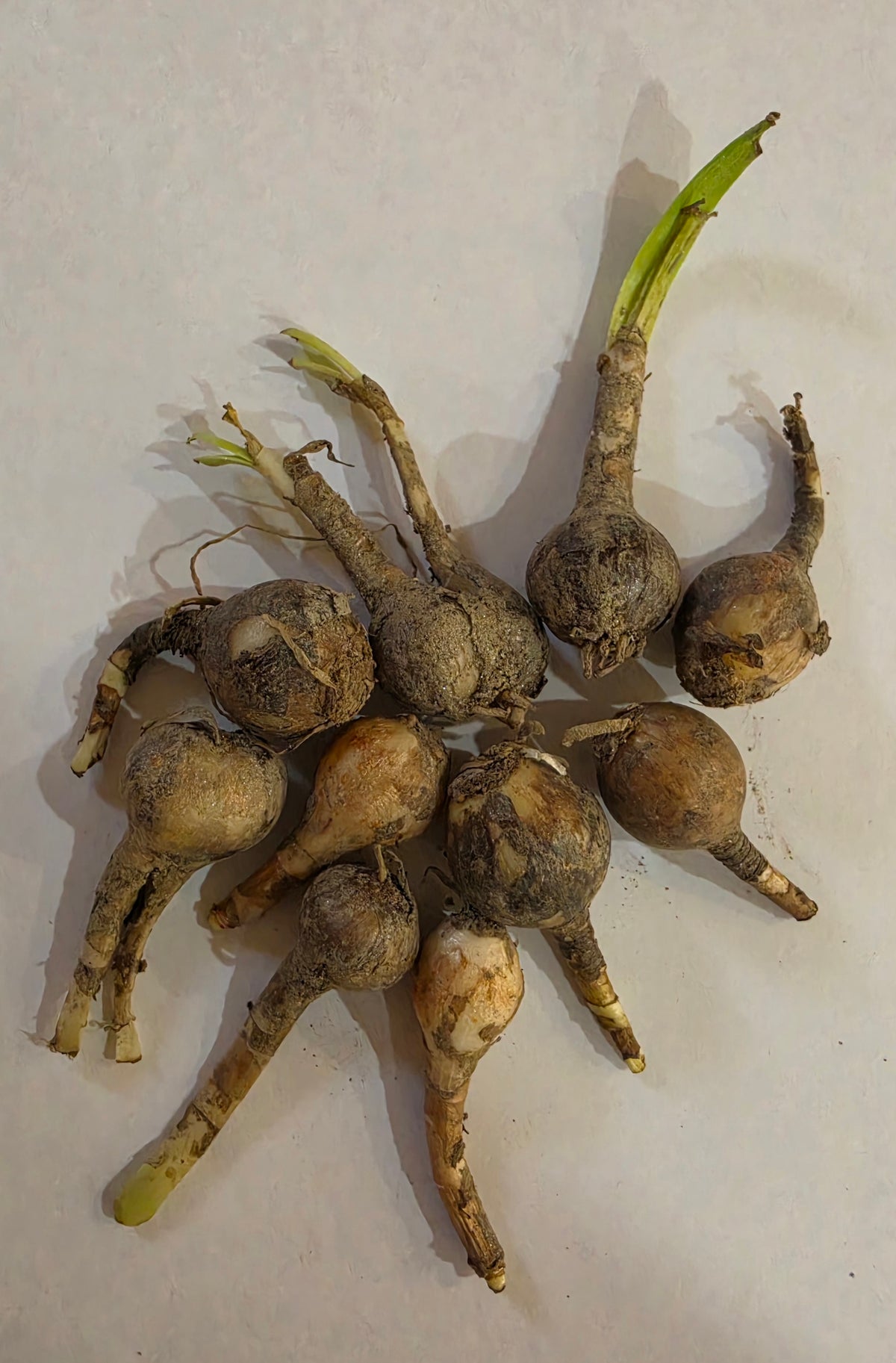
10 Bulbs
Rain Lily is a charming bulbous flowering plant known for producing delicate, lily-like flowers, often in white, pink, yellow, or other soft colors. It gets its common name because flowering often occurs after rainfall or thorough watering. Rain lilies are warm-weather plants that can grow well in the Gulf when planted during the cooler or moderate seasons. They are excellent for garden borders, containers, rock gardens, and naturalized planting areas. The narrow, grass-like foliage usually appears before or around flowering and forms attractive clumps over time.
Planting Instructions in the Gulf Area:
- Best planting time: Plant bulbs from September to March, preferably during the cooler months. Avoid planting during periods of extreme summer heat.
- Location: Choose a site receiving full sun to partial shade. Morning sun with some protection from intense afternoon heat is beneficial in the Gulf.
- Soil: Use fertile, loose, well-draining soil. Improve heavy soil with compost and coarse material to prevent waterlogging.
- Planting depth: Plant the bulbs about 3–5 cm deep, with the growing tip facing upward.
- Spacing: Leave approximately 8–15 cm between bulbs to allow the clumps to develop.
- Watering after planting: Water thoroughly after planting, then keep the soil lightly and evenly moist while the bulbs establish.
- Ongoing watering: Water when the upper layer of soil begins to dry. Rain lilies can tolerate short dry periods once established, but regular moisture encourages better flowering.
- Fertilizing: Apply a balanced bulb or flowering-plant fertilizer during active growth. Avoid excessive nitrogen, which can encourage foliage at the expense of flowers.
- Gulf summer care: During extreme summer temperatures, reduce watering if the plant becomes dormant and ensure excellent drainage. A light layer of mulch can help protect the bulbs and moderate soil temperature.
- Flowering: Flowering is often triggered by adequate moisture, particularly after rainfall or thorough irrigation. Established bulbs may produce flowers repeatedly under favorable conditions.
- After flowering: Allow the foliage to remain until it naturally yellows and dies back, as the leaves help replenish the bulb for future flowering.
- Propagation: Mature clumps can be divided by carefully separating the offsets and replanting them individually.
Share