
Red Lilium
Red Lilium
Couldn't load pickup availability
4 Bulbs
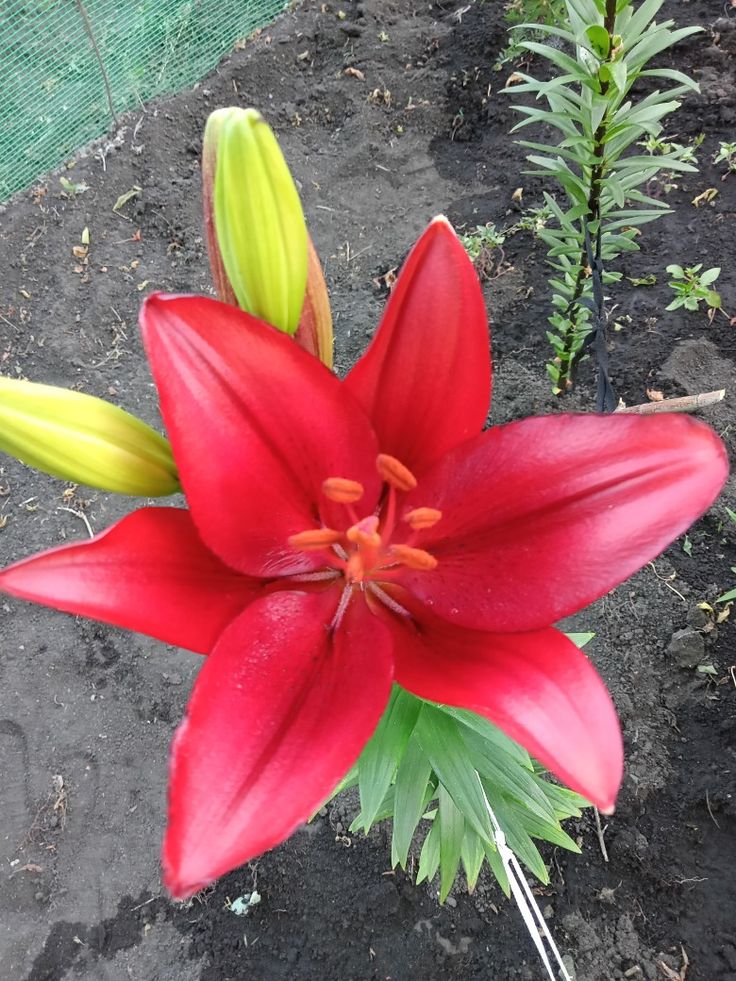
Red Lilium is an ornamental lily grown from bulbs, valued for its elegant upright stems and striking red flowers. Depending on the cultivar, flowers may range from bright scarlet and crimson to deep red or red with contrasting markings.
Lilies prefer fertile, well-drained soil with consistent moisture during active growth. Their roots appreciate cool conditions while the foliage benefits from good sunlight, making protection from intense Gulf afternoon heat especially useful. Poor drainage and standing water can cause bulb rot.
🌱 Best Planting Time
- Gulf region: September–February
- Kuwait: October–January
- Best period in Kuwait: October–December
- UAE & Qatar: October–February
- Saudi Arabia & Bahrain: October–February
- Oman: September–February
Avoid planting during the peak summer heat.
🌿 How to Plant the Bulbs
- Choose firm, healthy bulbs without soft or rotten areas.
- Prepare loose, fertile, very well-drained soil.
- Place the bulb with the pointed tip facing upward and the basal plate/roots facing downward.
- Planting depth depends on the lily type:
- If the type is unknown or is a basal-rooting lily, plant approximately as deep as the bulb is tall.
- Stem-rooting lilies generally need deeper planting, around 2–2.5 times the bulb height.
- Many commercial production guides use approximately 10–15 cm for typical bulbs.
- Cover the bulb gently and do not compact the soil heavily.
- Water after planting to settle the soil.
- Keep the soil lightly and evenly moist, but never saturated.
🌡️ Sprouting
The bulb first develops roots before strong above-ground growth appears. Keep it in a bright, well-ventilated location and avoid excessive heat.
Do not allow the planting medium to become completely dry, but also avoid frequent heavy watering.
🌱 Early Plant Care
- Provide bright morning light.
- Protect new shoots from strong afternoon heat.
- Maintain moderate soil moisture.
- Ensure excellent drainage.
- Provide good air circulation.
- Avoid disturbing the bulb after planting.
- Tall varieties may require a support stake.
🌿 Spacing
Allow approximately 15–30 cm between bulbs, depending on bulb size and cultivar. Larger plants benefit from additional space and airflow.
☀️ Sunlight
Lilies generally perform best with good sunlight while keeping the root zone relatively cool.
For Gulf conditions:
- Give the plant morning sun.
- Protect it from intense afternoon sun.
- Use approximately 30–50% temporary shade during severe heat.
- Avoid placing containers directly on hot concrete, metal or reflective surfaces.
💧 Watering
Keep the soil evenly moist during active growth, but never waterlogged.
- Water after planting.
- Allow excess water to drain completely.
- Increase watering gradually as the foliage develops.
- Water more frequently during hot, dry weather.
- Never allow water to remain around the bulb.
Good drainage is particularly important because prolonged saturation can lead to bulb and root problems.
🌱 Soil
Use a loose, fertile and very well-drained soil.
For containers, a suitable mixture can include:
- Quality potting soil
- Mature compost
- Perlite or pumice
- Coarse sand or horticultural grit
Many lilies perform well around neutral to slightly acidic conditions, although the ideal pH varies between lily groups.
🌿 Fertilizing
- Add mature compost before planting.
- Once active growth begins, apply a light balanced fertilizer.
- During flowering, adequate potassium and phosphorus can support flower development.
- Avoid excessive nitrogen, which can produce excessive foliage.
🌺 Flowering
Red Lilium produces attractive, prominent flowers on upright stems. Flower size, shape and exact shade of red depend on the cultivar.
Remove faded flowers to maintain the appearance of the plant, but keep the healthy green foliage after flowering so the bulb can rebuild its energy for the next growth cycle.
🔥 Gulf Climate Tips
- Plant during the cooler Gulf season.
- For Kuwait, October–December is an excellent planting window.
- Protect young shoots from intense afternoon heat.
- Use a light mulch to help keep the root zone cooler.
- Maintain excellent drainage.
- Containers are useful because they can be moved to afternoon protection.
- Tall varieties should be protected from strong winds and may need staking.
- Avoid hot rooftops, metal surfaces and heat-reflective walls.
- In humid coastal areas, prioritize airflow around the foliage.
🌱 Growing Tip: For Red Lilium in the Gulf, the best combination is cool roots + excellent drainage + morning sunlight + afternoon heat protection.
Share