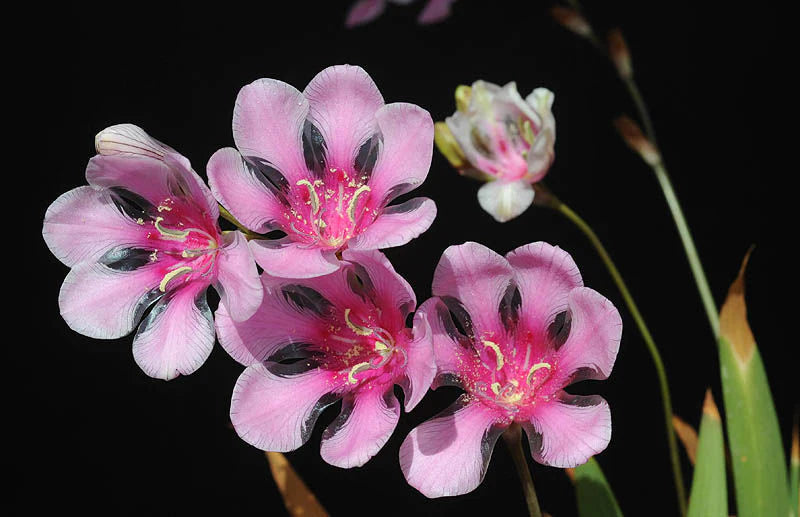

Tritonia squalida
Tritonia squalida
Couldn't load pickup availability
5 seeds
How to Seed Tritonia squalida (Flame Freesia or Montbretia)
-
Best Time to Sow (Gulf Region):
-
Sow from October to February, when temperatures range between 15–25°C (59–77°F).
-
Avoid sowing during summer (April–September) as extreme heat and dry winds reduce germination and damage seedlings.
-
In coastal areas, sowing can begin as early as late September.
-
-
Seed or Corm Preparation:
-
Tritonia is usually grown from corms (bulb-like structures), but seeds can also be used.
-
If sowing seeds, soak them in lukewarm water for 6–8 hours before planting to soften the seed coat.
-
For corm planting, inspect them for firmness and remove any damaged ones before sowing.
-
-
Sowing Depth:
-
Sow seeds 0.5–1 cm deep in moist, well-drained soil.
-
For corms, plant 3–5 cm deep with the pointed end facing upward.
-
Cover lightly and water gently to settle the soil.
-
-
Soil Requirements:
-
Prefers light, sandy, well-drained soil enriched with organic matter.
-
Ideal Gulf mix: 40% sandy soil + 30% garden soil + 20% compost + 10% perlite.
-
Avoid heavy clay soils or standing water, as this can rot bulbs and roots.
-
-
Light & Temperature:
-
Germination temperature: 18–22°C (64–72°F).
-
Requires full sun for strong growth and vibrant blooms.
-
In very hot Gulf areas, provide light afternoon shade to protect young seedlings.
-
-
Germination Time:
-
Seeds germinate in 14–28 days under warm, lightly moist conditions.
-
Corms begin sprouting within 2–3 weeks when kept in ideal temperatures.
-
-
Transplanting & Spacing:
-
When seedlings or corms produce 2–3 true leaves, transplant them into larger pots or directly in the garden.
-
Space plants 10–15 cm apart to allow for air circulation and spreading growth.
-
Choose a sunny, sheltered location for best flowering.
-
-
Growing Tips for Gulf Climate:
-
Watering: Water regularly during active growth (autumn to spring). Keep soil slightly moist but not soggy.
Reduce watering once flowering ends and allow plants to go dormant during the hot summer. -
Feeding: Use a balanced, slow-release fertilizer once every 4–6 weeks during growth.
-
Light: Full sun promotes compact growth and rich flower color.
-
Heat Tolerance: Tritonia tolerates Gulf warmth in winter and spring but goes dormant in summer; bulbs should be kept dry during dormancy.
-
Blooming: Produces clusters of orange, salmon, or pink trumpet-like flowers on slender stems, blooming from late winter to early spring.
-
Maintenance: Once foliage dies back naturally, you can lift and store corms in a dry, cool place until the next season.
-
Share