
1
/
of
1
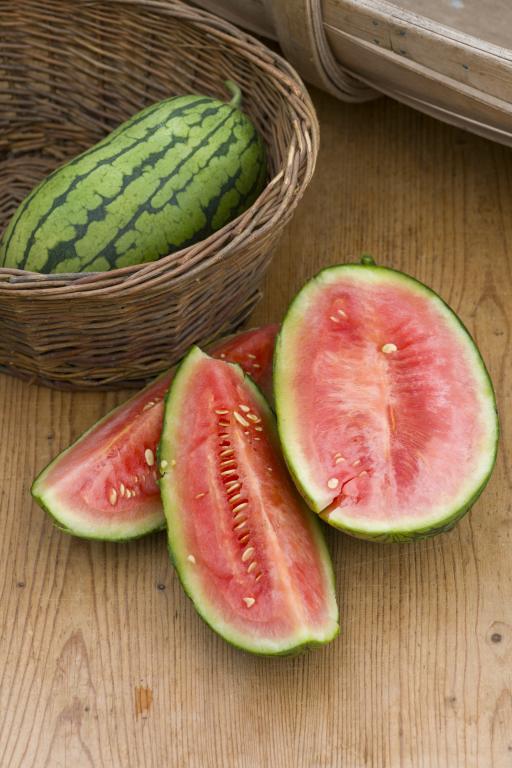
Watermelon Sweetie F1 Hybrid
Watermelon Sweetie F1 Hybrid
No reviews
Regular price
3.000 KWD
Regular price
Sale price
3.000 KWD
Shipping calculated at checkout.
Quantity
Couldn't load pickup availability
6 Seeds
Watermelon Sweetie F1 Hybrid is a warm-season watermelon that performs best with plenty of sunlight, warm soil, regular irrigation, and fertile, well-drained soil. In the Gulf, correct planting timing is especially important because extreme summer temperatures can interfere with flowering, pollination, and fruit development.
🌱 Best Growing Season
- Best sowing time: February–March.
- A second growing window is September–October, when temperatures begin to decline.
- In Kuwait and the hottest Gulf areas, February–March is generally the safest outdoor sowing period.
- Avoid: June–August and periods of extreme heat.
- Ideal soil temperature for germination: approximately 21–30°C.
🌿 Seed Sowing
- Choose a location with full sun and excellent drainage.
- Prepare fertile, sandy-loam soil enriched with well-rotted compost.
- Sow seeds approximately 2–3 cm deep.
- Plant 2–3 seeds per planting spot initially.
- Once seedlings develop several true leaves, retain the strongest plant and remove the weaker seedlings.
- Allow approximately 90–120 cm between plants.
- Leave approximately 150–200 cm between rows to provide enough space for the vines.
- Water gently immediately after sowing.
- Keep the soil consistently moist until germination.
⏱ Germination
- Seeds usually germinate within approximately 5–10 days under warm conditions.
- Keep the soil moist but never waterlogged.
- Avoid allowing the seedbed to dry out during germination.
- Once seedlings emerge, provide strong sunlight and good airflow.
🌱 Growing & Care
- Sunlight: Full sun, ideally 8+ hours per day.
- Soil: Fertile, loose, sandy or sandy-loam soil with excellent drainage.
- Watering: Water deeply and consistently, especially during flowering and fruit development.
- Drip irrigation is highly recommended in the Gulf.
- Avoid frequent shallow watering.
- Fertilizing: Incorporate compost before planting. Use a balanced fertilizer during early vegetative growth, then provide adequate potassium during flowering and fruit development.
- Avoid excessive nitrogen after flowering begins.
- Keep weeds away from the root zone.
- Allow plenty of space for the vines to spread.
🌸 Flowering & Pollination
- Watermelon produces separate male and female flowers.
- Good bee activity and pollination are essential for successful fruit formation.
- Avoid applying insecticides while bees are actively visiting flowers.
- If pollination is poor, hand pollination can be performed in the morning.
- Extreme heat during flowering can reduce fruit set, making planting time particularly important in the Gulf.
🍉 Fruit Development
- Once fruits begin developing, place straw, cardboard, a wooden board, or another clean dry surface beneath the fruit.
- This helps prevent direct contact with hot or wet soil.
- Maintain consistent irrigation during fruit enlargement.
- Avoid large fluctuations between very dry and excessively wet soil conditions.
🍉 Harvest
- The exact maturity period of Sweetie F1 Hybrid depends on the specific seed supplier and growing conditions.
- Begin checking the fruits as they approach their expected maturity.
- Common maturity signs include:
- The tendril closest to the fruit begins to dry.
- The ground spot changes from green to cream or yellowish.
- The fruit becomes less glossy.
- The stem begins to dry.
- Cut the fruit from the vine with clean pruning shears rather than pulling it.
🌡 Gulf Climate Tips
- In Kuwait and the hottest Gulf regions, February–March is particularly suitable for the main crop.
- For an autumn crop, sow around September–October as temperatures decline.
- Protect young seedlings from sudden extreme heat with temporary light afternoon shade.
- Use mulch to reduce soil temperature and conserve moisture.
- Water early in the morning.
- Protect vines from hot, dry winds where possible.
- During flowering, avoid excessive heat stress because temperatures that are too high can negatively affect pollination and fruit set.
Share