
Winter English thyme
Winter English thyme
Happy Green Shop
Country of origin: United Kingdom
Couldn't load pickup availability
1000 Seeds
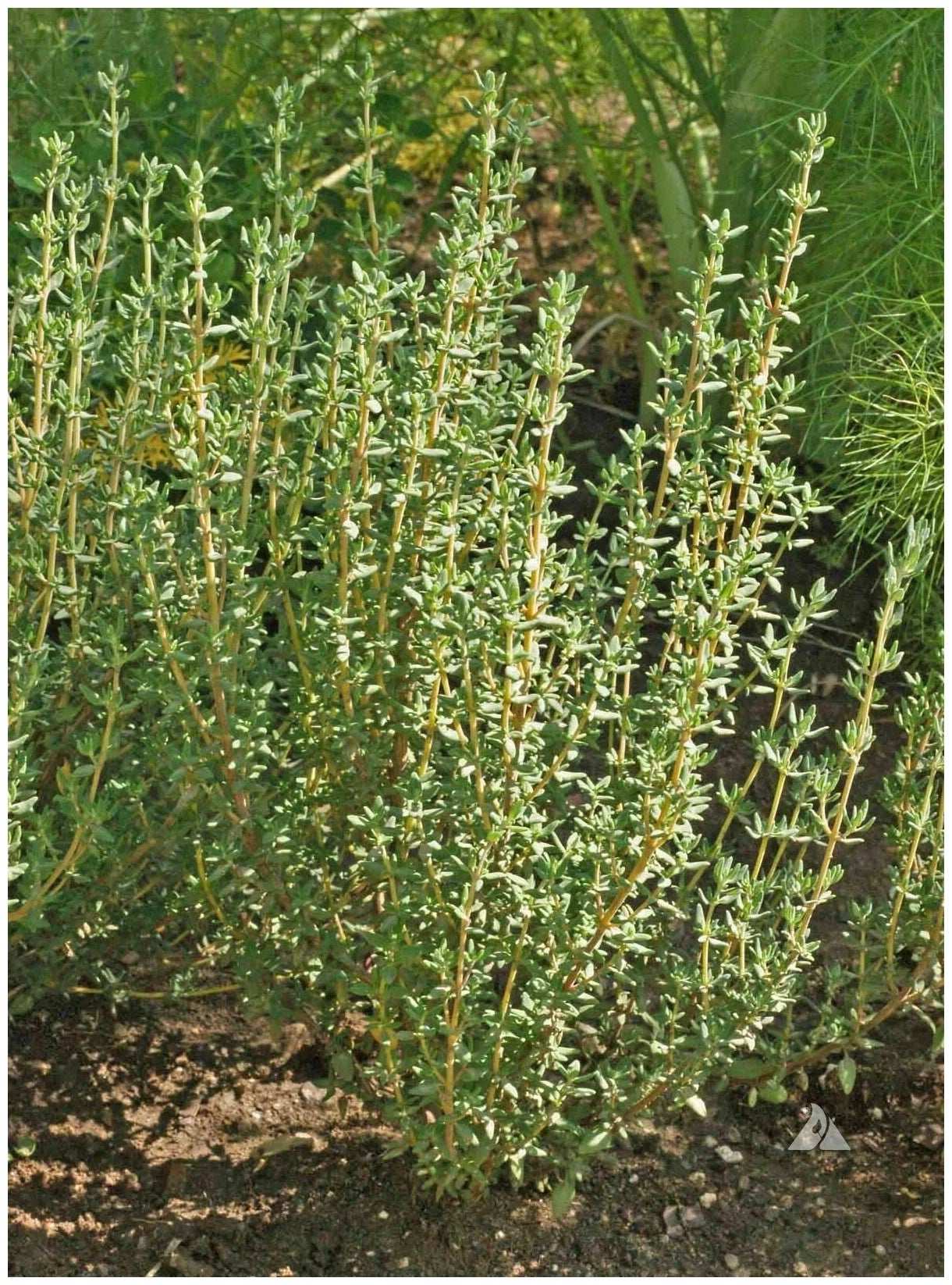
Winter English Thyme is an aromatic, evergreen perennial herb with small, highly fragrant leaves and woody stems. It is widely grown as a culinary herb and can be used fresh or dried in meat dishes, soups, sauces, vegetables, salads, and herbal teas.
It is naturally adapted to sunny, Mediterranean-type conditions and becomes drought tolerant once established. Thyme performs best in light, well-drained soil and is particularly suitable for herb gardens, rock gardens, borders, raised beds, and containers.
🌱 Best Planting Time
- Gulf region: September–April
- Kuwait: October–March
- Best periods in Kuwait: October–November and February–March
- Avoid starting young seedlings during the extreme summer heat.
- In very hot weather, germinate seeds in a protected, temperature-controlled location.
🌿 How to Plant the Seeds
- Use a fine, sterile, well-draining seed-starting mix.
- Moisten the growing medium before sowing.
- Scatter the tiny seeds thinly over the surface.
- Do not cover the seeds deeply; pressing them gently into the surface is sufficient.
- Mist gently to avoid displacing the seeds.
- Keep the growing medium lightly and evenly moist.
- Place the tray in a warm, bright location protected from intense afternoon heat.
Thyme seeds are very small and are best surface-sown rather than deeply buried.
🌡️ Germination
- Ideal temperature: approximately 15–20°C
- Germination: usually within about 2 weeks, although some seeds can take longer.
- Keep the seed mix moist but never saturated.
- Provide bright light after sowing.
- Avoid excessive humidity and overwatering because young thyme seedlings can develop fungal problems such as damping off.
🌱 Transplanting
When seedlings have developed several true leaves and have established roots:
- Move each seedling carefully into an individual small pot.
- Harden plants gradually before moving them outdoors.
- Plant spacing: approximately 20–30 cm
- Plant at the same general depth as the seedling was previously growing.
- Avoid planting in areas where water collects.
Thyme can take considerable time to become established from seed; harvesting may not be worthwhile until the plant has developed a good root and leaf system.
☀️ Sunlight
- Provide full sun.
- Aim for at least 6 hours of good sunlight.
- In the Gulf, morning sun is ideal for young plants.
- During periods of extreme heat, provide light afternoon shade.
- Avoid locations where reflected heat from walls or paving becomes excessive.
Thymus vulgaris naturally prefers full sun and is well suited to warm, dry conditions once established.
💧 Watering
- Keep the soil lightly moist during germination.
- Water regularly while young plants are establishing.
- Once established, allow the upper layer of soil to dry between waterings.
- Reduce watering during cooler periods.
- Increase slightly during very hot, dry weather, especially for container plants.
- Never keep the roots constantly wet.
Excellent drainage is more important than frequent watering for mature thyme. Excess moisture can lead to root problems.
🌱 Soil
Use light, loose and very well-drained soil.
A suitable Gulf mixture can contain:
- Light garden or potting soil
- Mature compost in a modest amount
- Perlite, pumice, coarse sand, or fine gravel for drainage
Thyme tolerates sandy and loamy soils and generally prefers neutral to alkaline conditions.
Avoid heavy clay or poorly drained soil. Raised beds and containers are particularly useful where natural soil stays wet.
🌿 Fertilizing
- Thyme does not require heavy feeding.
- Add a small amount of mature compost before planting.
- Once established, use a mild balanced fertilizer only when necessary.
- Avoid excessive nitrogen, which can encourage soft, leafy growth and reduce the compact habit and aromatic quality.
- Container plants may benefit from occasional light feeding during active growth.
🌿 Harvesting
- Allow young plants to become well established before harvesting heavily.
- Pick young shoots and leaves as needed.
- Harvest in the morning after the foliage has dried.
- For drying, cut stems before or around flowering when the foliage is strongly aromatic.
- Dry in a warm, dry, shaded, well-ventilated location.
- Store completely dried leaves in an airtight container.
Regular light trimming helps maintain a compact, bushy plant.
✂️ Pruning
- Lightly trim the plant after flowering or during active growth to maintain its shape.
- Avoid cutting deeply into old, bare woody stems.
- Replace older plants when they become excessively woody and less productive.
Thyme can become woody with age, so plants are often renewed every few years.
🪴 Growing in Containers
Winter English Thyme is excellent for container growing.
- Use a pot at least 15 cm wide and 10 cm deep for one young plant; a larger container is preferable for long-term growth.
- Ensure several drainage holes.
- Use a gritty, well-drained potting mixture.
- Place the pot in morning or full sun.
- Protect the container from extreme afternoon heat.
- Avoid saucers that allow water to remain around the roots.
Container growing is particularly useful in the Gulf because drainage can be controlled and plants can be moved to a more protected position during extreme heat.
🌸 Flowers
Mature thyme plants can produce small pink, purple, or white flowers, generally appearing in late spring or summer depending on climate and growing conditions.
The flowers are attractive to bees and other pollinators, making thyme useful in herb and wildlife-friendly gardens.
🐛 Common Problems
Thyme is generally relatively trouble-free, but watch for:
- Root rot from excessive moisture
- Damping off in young seedlings
- Aphids
- Spider mites during very hot, dry conditions
- Weak growth from insufficient sunlight
- Woody, declining growth in older plants
Good drainage, strong sunlight, moderate watering, and good air circulation are the main preventive measures.
🔥 Gulf Climate Tips
- Treat Winter English Thyme as a cooler-season establishment crop in the Gulf.
- In Kuwait, October–November is an excellent time to start seeds.
- A second sowing can be made around February–March.
- Germinate seeds in a cooler protected area when outdoor temperatures are too high.
- Give young plants morning sun and protection from extreme afternoon heat.
- Once established, thyme can tolerate relatively dry conditions.
- Use raised beds or containers if your garden soil drains poorly.
- Avoid excessive summer irrigation.
- Good airflow is particularly important in humid coastal Gulf areas.
🌱 Growing Tip: For the best results in the Gulf, sow Winter English Thyme during the cooler season, surface-sow the tiny seeds, keep them lightly moist at around 15–20°C, and gradually move the established plants into a sunny, extremely well-drained location.
Share