

Zinnia- Benary's Giant Purple
Zinnia- Benary's Giant Purple
The Seed Collection
Country of origin: Australia
Couldn't load pickup availability
25 Seeds
About Zinnia ‘Benary’s Giant Purple’
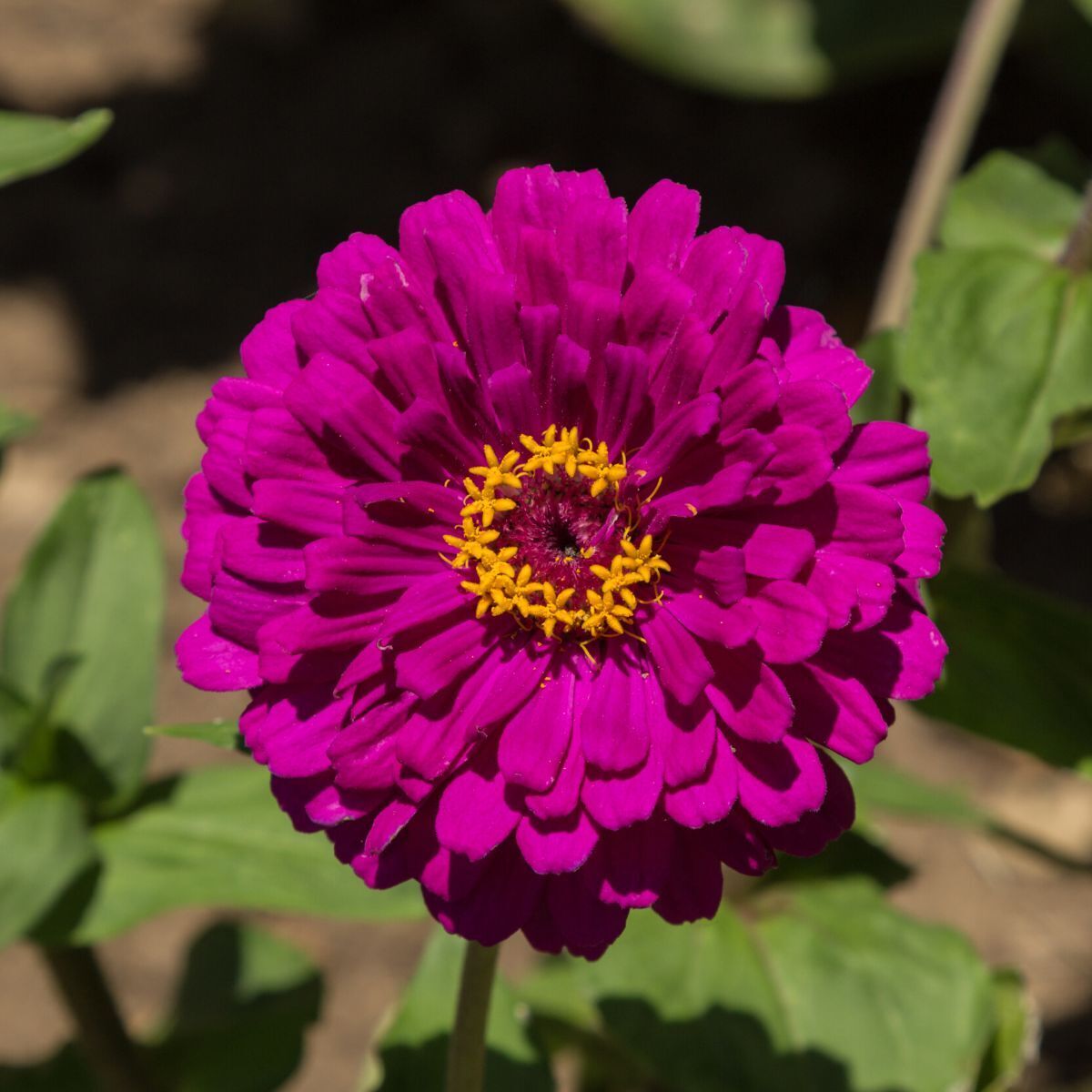
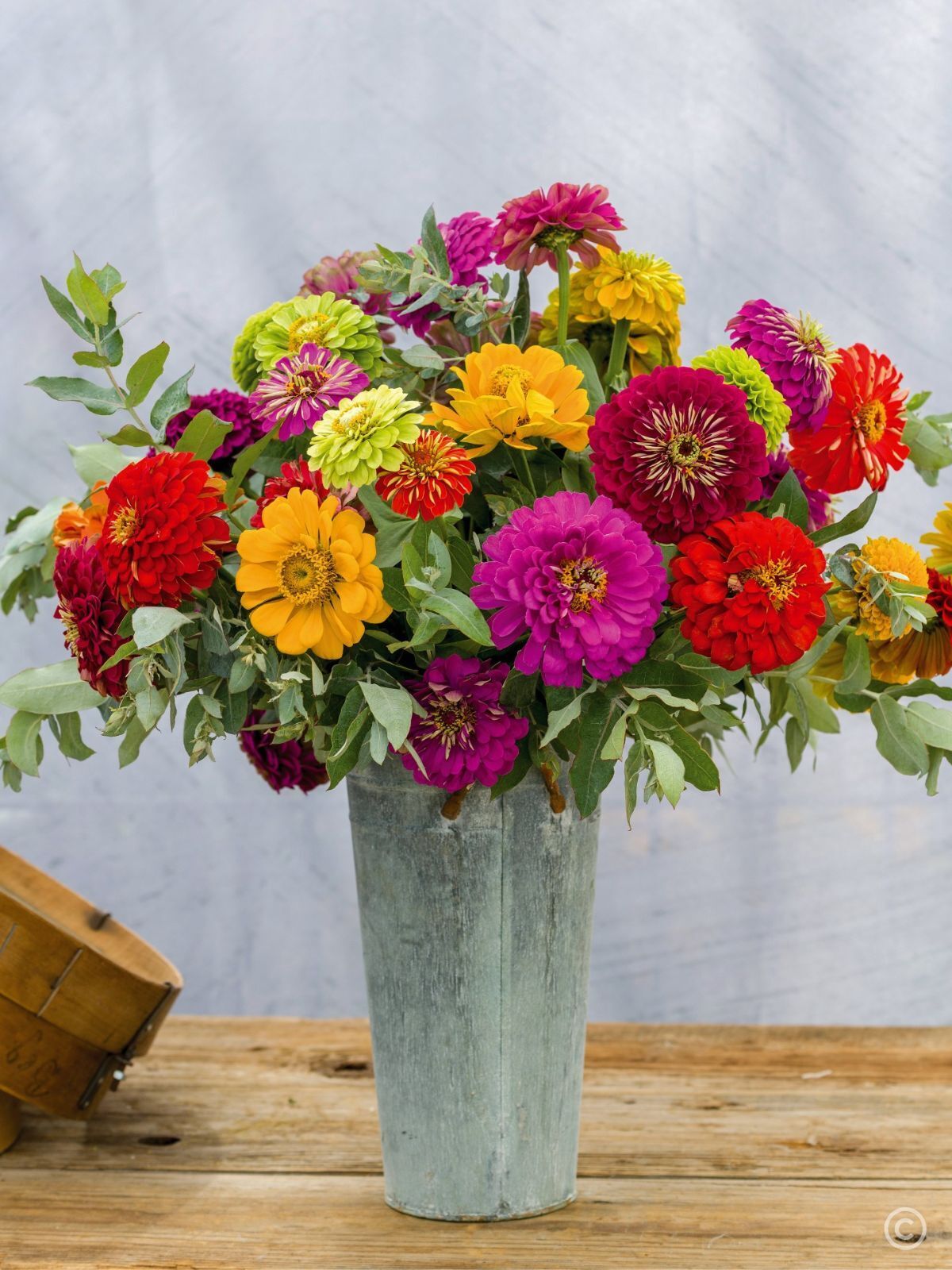
Zinnia ‘Benary’s Giant Purple’ (Zinnia elegans) is a striking annual flower from the popular Benary’s Giant series. It is admired for its large, fully double blooms in a rich, deep purple shade. The flowers have numerous overlapping petals that create a full, rounded appearance and make an impressive display in gardens and floral arrangements.
The plants produce strong, upright stems and typically grow approximately 90–120 cm tall. Their large blooms are excellent for flower beds, garden borders, and cut-flower arrangements. They also attract butterflies and other beneficial pollinators.
This variety thrives in warm, sunny conditions and is suitable for growing in the Gulf region during the cooler months. Protection from extreme afternoon heat and good air circulation help maintain healthy growth and abundant flowering.
Planting Instructions
1. Best Planting Time
-
In Kuwait, sow seeds from October to February, preferably between October and December.
-
In other Gulf countries, sow from September to February, depending on local temperatures.
-
Avoid sowing during the hottest summer months.
2. Soil Preparation
-
Use fertile, loose, well-draining soil enriched with mature compost.
-
A suitable growing mix can contain quality potting soil, compost, and perlite or coarse sand.
-
Avoid heavy clay soil or areas where water collects around the roots.
3. Sowing the Seeds
-
Sow seeds directly in the garden or start them in individual pots or seed trays.
-
Plant seeds approximately 0.5 cm deep and cover lightly with fine soil.
-
Keep the soil gently moist until germination.
-
Direct sowing or individual pots are preferable because zinnias do not respond well to repeated root disturbance.
4. Germination
-
Ideal germination temperature is approximately 21–27°C.
-
Seeds usually germinate within 3–10 days under suitable conditions.
-
Keep seed trays in a warm, bright location with good ventilation.
-
Once seedlings emerge, provide plenty of light and avoid excessive watering.
5. Transplanting
-
If started in trays, transplant seedlings once they have developed a few sets of true leaves.
-
Harden seedlings gradually for 5–7 days before moving them outdoors.
-
Handle the roots carefully and keep the root ball intact as much as possible.
-
Space plants approximately 30–40 cm apart to allow good airflow and healthy branching.
6. Sunlight and Location
-
Provide approximately 6–8 hours of sunlight daily for strong growth and abundant flowering.
-
In the Gulf, choose a location with good morning sunlight and partial afternoon shade during periods of intense heat.
-
Avoid areas with poor airflow or excessive reflected heat from walls and paving.
7. Watering
-
Water regularly while seedlings are establishing.
-
Once plants are established, water deeply when the top 2–3 cm of soil becomes dry.
-
Water at the base of the plants rather than over the foliage to reduce fungal problems.
-
Avoid waterlogging and ensure excess water drains freely.
8. Fertilizing
-
Add mature compost to the soil before planting.
-
Apply a balanced fertilizer in moderate amounts during early growth.
-
Avoid excessive nitrogen, which encourages leafy growth at the expense of flowers.
-
Do not over-fertilize; moderately fertile soil is generally sufficient for healthy flowering.
9. Growth and Flowering
-
Plants develop strong, upright stems carrying large, fully double purple flowers.
-
Flowering generally begins around 9–12 weeks after sowing, depending on growing conditions.
-
Pinch the growing tips when plants reach approximately 20–30 cm tall to encourage branching and more flower stems.
-
Remove faded flowers regularly to encourage continuous blooming.
-
The strong stems and attractive blooms make this variety particularly suitable for cutting and floral arrangements.
10. Growing in Pots
-
Choose a large container at least 35–40 cm wide and deep, with drainage holes.
-
Use fertile, well-draining potting soil.
-
Avoid overcrowding plants in the same container.
-
Place the pot in a sunny location with some protection from intense afternoon heat.
11. Gulf Climate Care
-
Zinnias enjoy warm weather but may become stressed during extreme Gulf summer heat.
-
Provide partial afternoon shade during very hot periods.
-
Maintain good spacing and airflow to reduce powdery mildew and other fungal problems.
-
Avoid wetting the foliage late in the evening.
-
Check regularly for aphids, spider mites, and leaf diseases.
Share